

Disclosure: This article may contain affiliate links. If you buy through them, GrandCollector may earn a commission at no extra cost to you.
Die-Cast Car Collecting Guide for Beginners
Die-cast cars are one of the few collectibles where a $1 toy you bought at the supermarket checkout can be worth $200 a decade later. But that kind of return doesn’t come from buying random cars off the peg. It comes from understanding what makes a die-cast car collectible — and what makes it just another toy.
This guide covers the basics without the forum hype. Whether you’re hunting Hot Wheels treasure hunts or building a display of vintage Matchbox, here’s what actually matters.
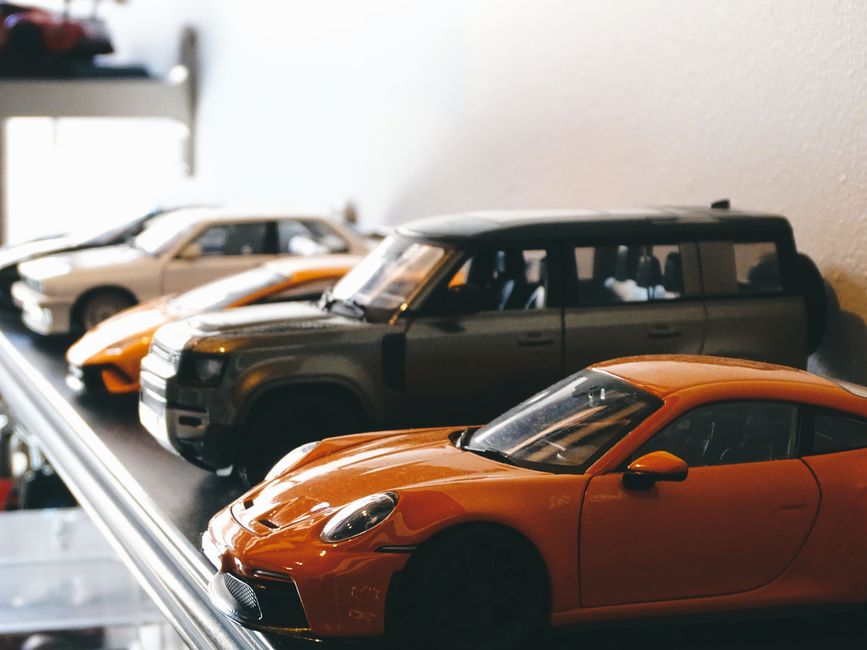
Why Die-Cast Cars Attract Collectors
Die-cast collecting hits a sweet spot that few other hobbies reach: entry is cheap, the variety is endless, and the barrier between “toy” and “collectible” is razor-thin. You can start with $5 at a Walmart and end up tracking down a 1969 Pink Rear-Loading Beach Bomb — of which two are known to exist, one selling privately for an estimated $150,000.
The appeal is partly nostalgia and partly the treasure-hunt mechanic that brands like Hot Wheels have deliberately built into their releases. Every case of cars shipped to a store might contain a Super Treasure Hunt — a special version with Spectraflame paint and Real Rider wheels. Finding one in the wild feels like winning a small lottery.
What Beginners Usually Get Wrong
The biggest mistake is buying everything. A full peg of mainline Hot Wheels at the grocery store looks like opportunity. Most of it isn’t. Mainline cars are produced in the millions and almost never appreciate beyond their retail price.
Another common error: opening everything. A carded die-cast car on an unpunched blister card is worth substantially more than the same car loose. The packaging is part of the collectible. Once you tear it open, you’ve taken a mint-condition item and turned it into a loose toy that’s competing with every other loose example on eBay.
Beginners also confuse rarity with value. A car can be rare because nobody wanted it when it was new. Genuine value comes from demand — and demand in die-cast is driven by brand recognition, casting quality, and cultural relevance, not just low production numbers.
How to Judge Condition and Value
Under direct light, a loupe for collectible inspection makes paint chips, tampo wear, and windshield scratches obvious.
Die-cast condition grading isn’t as formalized as trading cards or coins, but collectors use consistent standards. The card condition matters as much as the car. Look for:
Card condition: creases, bends, price sticker residue, water damage, and whether the blister is still fully attached. An unpunched card — one where the hanging tab hasn’t been pierced — commands a premium.
Car condition: paint chips, tampo wear, axle rust, wheel chrome loss, and windshield scratches. Hold the car under a bright light and rotate it slowly. Imperfections that are invisible under room light become obvious under direct light.
For modern Hot Wheels Super Treasure Hunts, the Spectraflame paint finish and Real Rider rubber tires are the identifying features. A loose STH with paint chips is still worth money, but far less than a carded mint example.
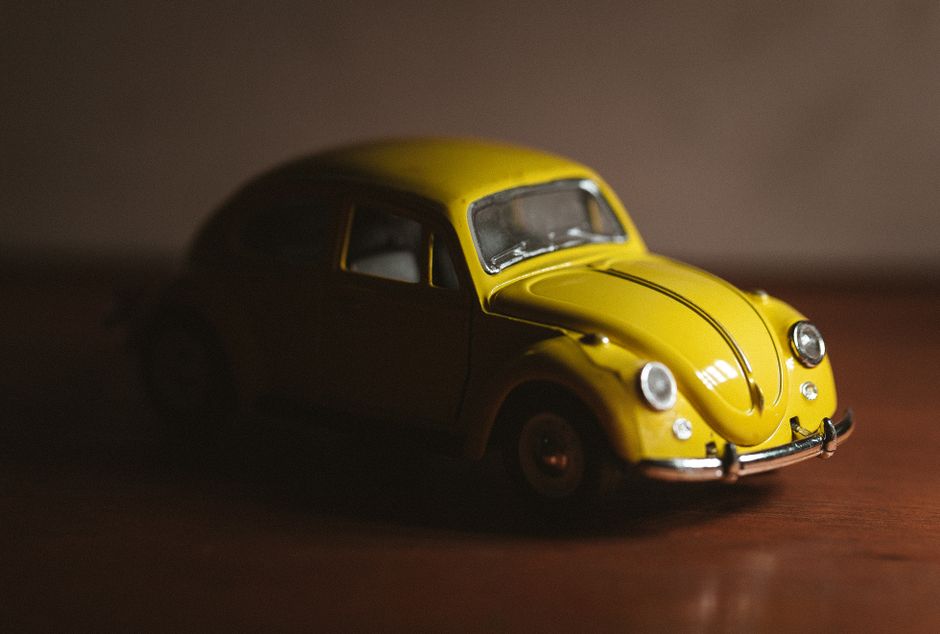
What Brands and Lines Matter
Hot Wheels dominates the market, but it’s not the only game in town. The brands that hold or grow value include:
Hot Wheels Red Line Club (RLC): limited production, premium castings, sold directly through Mattel’s site. These are the closest thing to a guaranteed collectible in modern die-cast.
Hot Wheels Super Treasure Hunts: the wild-card chase cars found randomly in retail cases. Spectraflame paint and Real Riders set them apart from mainline versions.
Matchbox (pre-2000): Lesney-era British-made Matchbox with metal bases and detailed castings command strong prices among vintage collectors.
Johnny Lightning: particularly the Playing Mantis-era castings from the 1990s, which introduced premium detailing to retail die-cast.
Tomica Limited Vintage: Japanese-market die-cast with obsessive detail. Small production runs and high demand among collectors outside Japan make these consistently valuable.
Buying Tips
Next buying step: Before paying a premium for an older model, read How to Buy Used Diecast Cars Without Overpaying and compare brands with our diecast brand guide.
Retail hunting is fun but inefficient. The serious money and the rare finds are in secondary markets. Facebook die-cast groups, eBay sold listings, and dedicated forums like The Toy Peddler are where actual collections change hands.
When buying on eBay, always check sold listings — not active listings — to see what a car actually sells for. Asking prices can be two to ten times the real market value, especially for cars that sellers think are rare but aren’t.
If you’re buying a carded car described as mint, ask for photos of the back of the card. Sellers photograph the car and the front of the card. The back is where creases, bends, and water stains hide.
Storage and Display
For loose cars, a acrylic display case with individual compartments keeps paint from rubbing and wheels from contacting other cars.
Carded cars need protection from three things: light, humidity, and gravity. Direct sunlight fades the card art and yellows the blister. Humidity warps the cardboard and causes rust on exposed axles. Stacking cards horizontally bends them over time.
Store carded cars vertically in protective cases — CarKeepers or Melyon plastic protectors are the standard. For loose cars, acrylic display cases with individual compartments keep paint from rubbing and wheels from contacting other cars.
Temperature stability matters more than the exact number. A room that stays between 65-75°F year-round with moderate humidity is ideal. Attics and garages are not — they swing too far and too fast.
Common Red Flags
Custom cars sold as originals: repainted or wheel-swapped cars passed off as rare factory variations. Check for overspray on the base, non-factory wheel types, and paint that doesn’t match known color charts.
Fake Super Treasure Hunts: mainline cars with aftermarket Real Rider wheels added to mimic STH versions. The Spectraflame paint is much harder to fake — learn to identify it under different lighting conditions.
“Rare” listings with no sold comparisons: if a seller claims a car is rare but there are no sold listings at the price they’re asking, the car isn’t rare — it’s just overpriced.

Final Practical Advice
Start narrow. Pick one brand, one era, or one casting and learn it deeply. A collector who knows everything about 1990s Johnny Lightning police cars will make better buying decisions than someone who buys every Hot Wheels they see at Target.
Buy what you like, but don’t confuse liking something with making a good purchase. The cars you’ll enjoy most in ten years are the ones that were worth keeping — and that means condition, rarity, and demand all matter, even at the $20 level.
And if you’re hunting at retail: be respectful. The die-cast aisle belongs to everyone. The collector who shoves aside a kid to grab a Super is not the collector this hobby needs.
Notes
[1] Hot Wheels Super Treasure Hunt identification: Spectraflame paint finish (darker, glossier than mainline), Real Rider rubber tires (not plastic wheels), and a small circular flame logo on the card behind the car. Production numbers are not published by Mattel but are estimated in the low thousands per casting.
[2] The 1969 Pink Rear-Loading Beach Bomb is the most valuable known Hot Wheels. Two examples confirmed. One sold through private transaction; value estimates from reputable collector sources place it in the $125,000-150,000 range.
[3] Carded vs. loose value difference varies widely by casting but consistently favors carded examples. For modern Super Treasure Hunts, a carded mint example typically sells for two to three times the price of the same casting loose and played-with. The gap widens for older and rarer castings.
🛒 RECOMMENDED FOR DIECAST COLLECTORS
- 3-Pack Stackable Acrylic Display Case — Crystal-clear dustproof display cases (14.5″ x 10.6″ x 8.6″), perfect for die-cast car collections. Stackable for multi-tier displays. ~$45
- Jewelers Loupe 10X with LED and UV Light — Essential for inspecting paint chips, tampo wear, axle rust, and verifying Spectraflame paint vs. fakes. ~$25
- White Cotton Handling Gloves (12 Pairs) — Lint-free cotton gloves for handling carded and loose die-cast cars without leaving fingerprints or oils. ~$12
Disclosure: This article contains affiliate links. GrandCollector may earn a commission at no extra cost to you.
Continue Your Beginner Path
Before buying a used model, read How to Buy Used Diecast Cars Without Overpaying, then continue with our guides to diecast condition and storage and display.