

Disclosure: This article may contain affiliate links. If you buy through them, GrandCollector may earn a commission at no extra cost to you.
Pokémon cards are one of the most recognizable collectibles in the world, and one of the most misunderstood. Most people entering the hobby arrive with baggage: nostalgia from childhood, headlines about a 1999 Charizard selling for six figures, and a vague sense that there’s money to be made. Some of that is true. Most of it isn’t relevant to where you’re actually starting.
This guide covers what you need to know before spending a single dollar on Pokémon cards. The hobby is genuinely rewarding if you know what you’re doing. It’s genuinely expensive if you don’t.
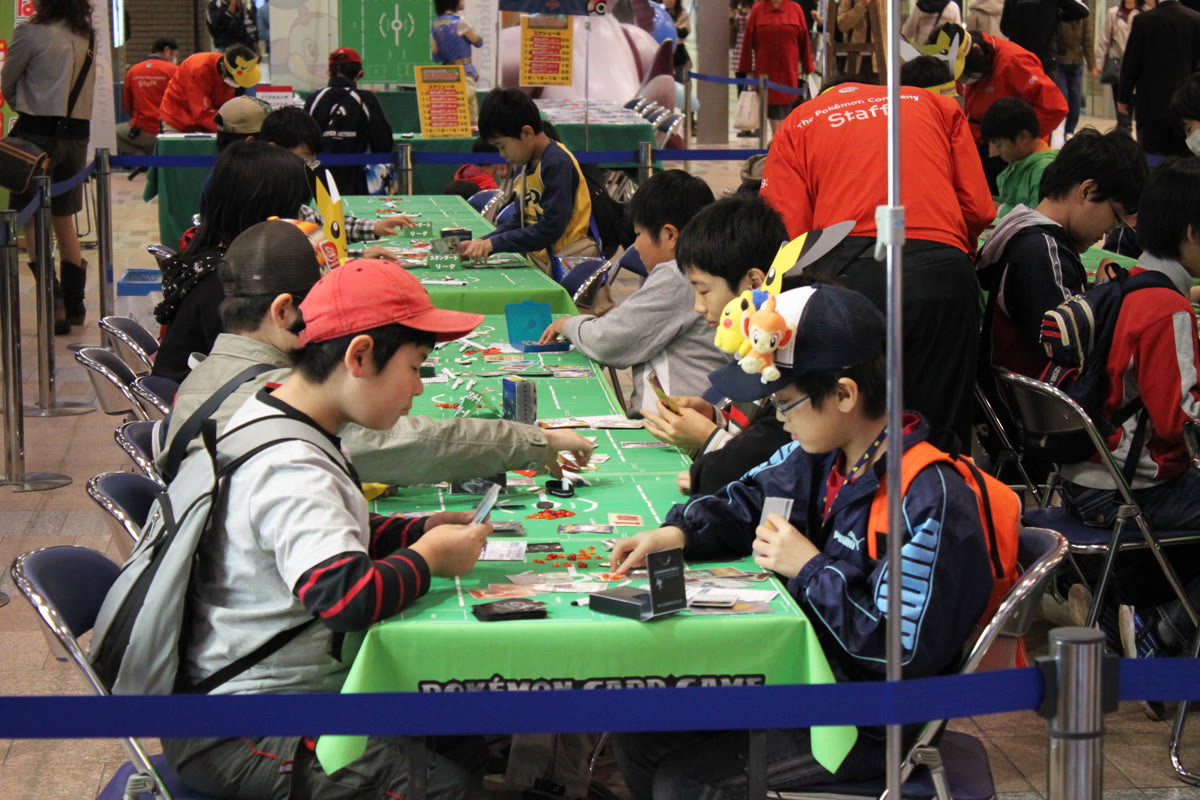
Why Pokémon cards attract collectors
Whatever you pull, keeping cards protected starts with a trading card binder that holds sleeved cards flat.
Pokémon launched in 1996, and the trading card game hit Western markets in 1998–1999. That generation is now in their late twenties and thirties with spending power, which has driven sustained demand for cards they remember from childhood. First-edition Base Set cards carry enormous emotional and financial weight for that reason.
Beyond nostalgia, Pokémon cards have a feature most collectibles don’t: a single card can function simultaneously as a playing piece, a collectible, and a graded investment-grade item. A vintage Charizard is valuable to the collector who wants it, the competitive player who needs it for a deck, and the investor who submits it for grading.
There’s also clear structure. Unlike some collectibles where authenticity and value are genuinely murky, Pokémon cards have established grading standards, a liquid secondary market through TCGplayer and eBay, and well-documented print runs. You can research this hobby thoroughly before spending anything.
What beginners usually get wrong
The most common mistake is conflating rarity with value. Not all rare Pokémon cards are worth serious money, and not all valuable cards are technically rare. Value is driven by card, condition, era, and demand from players and collectors simultaneously.
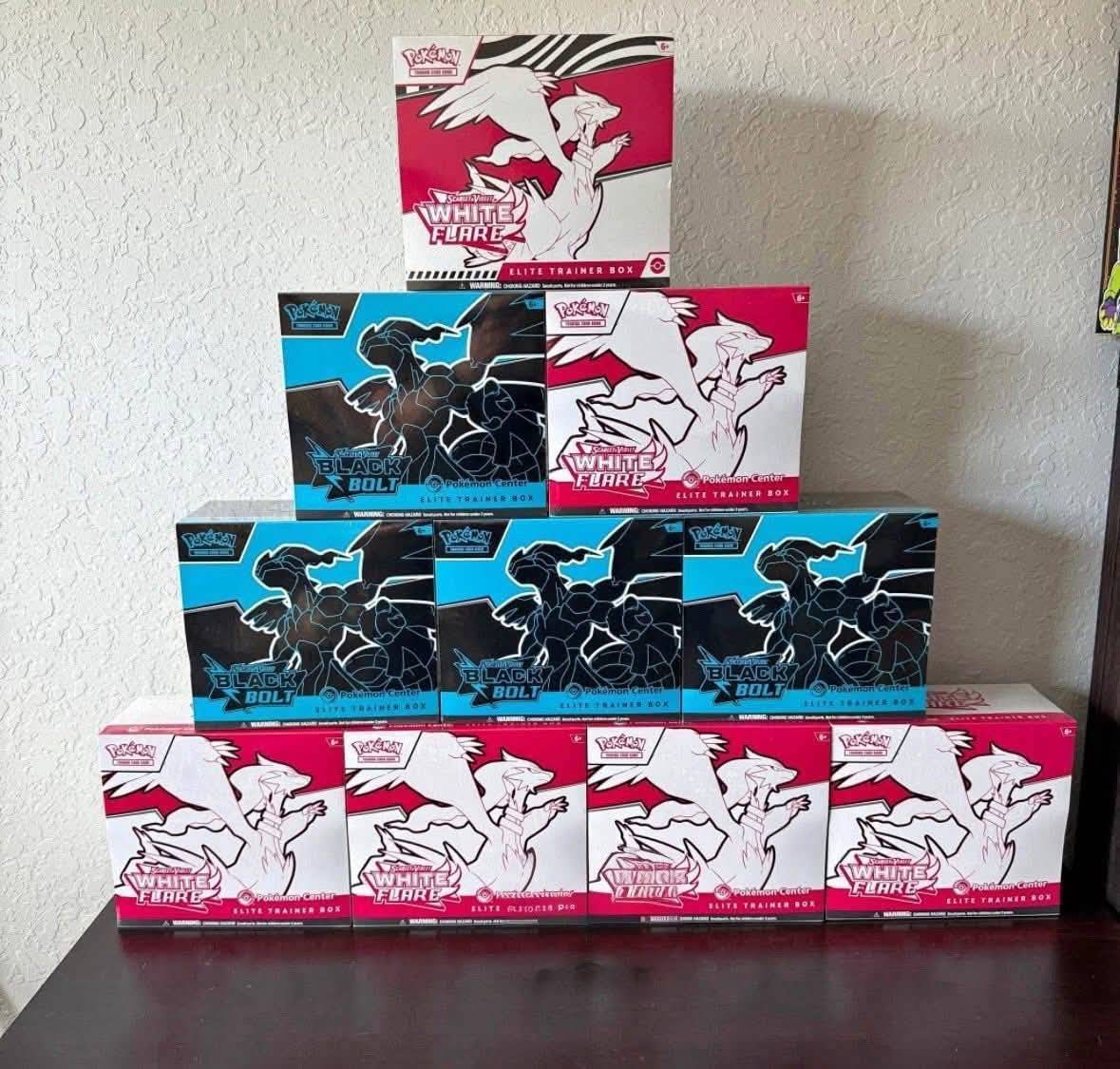
Buying sealed product as an “investment” is a second trap. The chance of pulling something valuable from packs is real, but the expected value of opening packs is almost always lower than buying the card you want directly on the secondary market. Sealed product holds some long-term collector value, but that requires dry storage, patience measured in years, and no guarantee the market will cooperate.
Beginners also overestimate card condition. Cards from childhood stored in binders typically show corner wear, surface scratches, and centering issues that graders catch immediately. What looks mint to the naked eye rarely grades above PSA 7 or 8. Paying grading fees on cards that come back at low grades is a fast way to lose money.
How to judge value in Pokémon cards
Three variables drive value: which card, which print era, and what condition.
The vintage market focuses on Base Set, Jungle, Fossil, and promotional cards from 1998–2001. Within those sets, specific cards command most attention: holographic Charizard, Blastoise, Venusaur, alongside error cards and first-edition stamped copies. These are well-tracked on PriceCharting and PSA’s population reports.
The modern market is more volatile. Recent sets produce extremely high card volumes, and prices for modern holofoils and rare pulls swing based on competitive playability. When a card rotates out of the tournament format, demand often drops. Others spike on speculation and correct quickly.
Condition is the single most important pricing variable. Understanding PSA standards, the dominant grader in this space, is essential before spending meaningful money. Beckett and CGC also grade Pokémon cards, but PSA remains the most recognized.
Authentication and condition checks
Counterfeit Pokémon cards exist, particularly for high-value vintage specimens. Standard checks include:
- Light test: Genuine cards have a black layer visible when held to strong light. This layer absorbs light. Fakes often allow light to pass through more easily.
- Card feel: Real cards have a distinctive rigidity and texture. Paper-thin or overly stiff cards are warning signs.
- Print quality: Under magnification, real cards show a distinct rosette dot pattern from offset printing. Fakes often show blurry or irregular patterns.
- Text and font: Compare text on a suspected card against a known authentic copy. Font inconsistencies, spacing errors, and capitalization differences are common in counterfeits.
For high-value vintage cards, third-party grading through PSA provides authentication alongside the grade. A PSA-slabbed card carries a certification number you can look up on PSA’s website to confirm the grade on file. That lookup should be the first step when buying any slabbed card of significant value. [1]
Buying tips for new collectors
Start with what you know. If you’re buying Pokémon cards because of childhood nostalgia for a specific set or character, that’s a legitimate foundation. Buy what you enjoy, but be realistic about what you’re spending and why.
Buy graded cards when spending meaningful money. A PSA, Beckett, or CGC slab provides certainty about condition and authenticity that raw cards can’t offer. Buying raw cards at significant prices requires strong self-grading ability and willingness to accept condition risk.
Use completed sales data. Asking prices are not market values. Look at what has actually sold in the last 60–90 days for the specific card in the specific condition you want. Prices move; stale price guides cause overpaying. [2]
Buy from sellers with established track records. Dedicated Pokémon communities on Reddit, Facebook groups, and established dealers on TCGplayer or eBay with substantial positive feedback carry lower risk than anonymous listings.
Selling and holding considerations
Most Pokémon cards depreciate over time, not appreciate. The cards that increase in value are exceptions: key vintage holofoils in high grade, documented error cards, and modern cards that prove both collectible and competitively essential. The bulk of any collection will be worth less in several years than today.
If you’re holding sealed product, storage conditions matter. Cards in humid environments can suffer edge and corner damage even sealed. Temperature fluctuations and light exposure degrade sealed boxes over time.
Selling vintage cards at their highest value typically requires grading. A raw first-edition Base Set holo will sell for considerably less than a graded equivalent of the same apparent condition. Factor grading cost and turnaround time into any selling plan.
Common red flags
- Suspiciously low prices on high-value cards. A PSA 10 Base Set Charizard priced far below established market rates either has a documentation problem or a seller who’s hoping you won’t check the cert number.
- No-name grading slabs. Several companies will grade and slab cards for a fee without receiving recognition from serious collectors. Cards in these slabs sell at steep discounts to PSA, Beckett, or CGC equivalents and should be treated as ungraded raw cards.
- “This card will only go up” framing. Sellers who frame Pokémon cards primarily as investments are using language designed to bypass judgment. Most cards go down.
- Condition inflation. Cards described as “Near Mint” by private sellers frequently grade lower under professional scrutiny. Assume all raw cards will grade below the seller’s description.
Final practical advice
The Pokémon card hobby rewards patience and knowledge more than money. Collectors who do best spend months researching before significant spending. They know which cards they want, why those cards hold value, how to authenticate, and what fair prices look like across conditions and grading tiers.
Avoid panic-buying during media cycles. Celebrity pack-opening videos push prices up temporarily. The market typically corrects. Buying at peaks is how collectors end up holding overpriced cards they can’t sell without a loss.
Start with cards you genuinely care about, handle a few transactions at modest price points to learn the market, and build knowledge before building a significant collection. The cards are interesting objects with a well-documented history. That’s worth engaging with on its own terms.
Notes
For surface checks before grading or selling, a rechargeable 10x loupe makes small print flaws visible.
[1] PSA maintains an online certification lookup at psacard.com/cert. Entering a cert number confirms the item description and grade on file. CGC and Beckett maintain similar databases. This is a standard free service and should be the first step when buying any slabbed Pokémon card of significant value.
[2] TCGplayer is one of the primary marketplaces for buying and selling Pokémon cards, with seller ratings and buyer protection. eBay’s completed sales filter shows actual transaction prices for the past 90 days. Both are standard reference tools for price research in the hobby.
[3] First-edition Base Set cards, including the holographic Charizard, carry a small “Edition 1” stamp on the left side of the artwork box. Shadowless cards, a transitional printing, lack the shadow around the artwork box but do not carry the first-edition stamp. Both variants carry different values from the unlimited printing.
🛒 RECOMMENDED FOR POKÉMON CARD COLLECTORS
- Jewelers Loupe 10X with LED and UV Light — Inspect print quality, rosette patterns, and card texture to distinguish genuine cards from counterfeits and reprints. ~$25
- 3-Pack Stackable Acrylic Display Case — Protect and display graded PSA/BGS slabs, sealed Elite Trainer Boxes, and prized pulls. ~$45
- White Cotton Handling Gloves (12 Pairs) — Handle vintage holofoils and high-value cards without fingerprints and oils before sleeving. ~$12
Disclosure: This article contains affiliate links. GrandCollector may earn a commission at no extra cost to you.
Fact-checked and refreshed on 2026-07-28. This beginner guide remains current as of this date.
Choose protection before chasing rarities
Pokémon cards are easy to damage through loose storage, repeated handling, and unsuitable pages. Before buying more packs, compare holder formats in the card binder and protection guide. A sensible storage choice will not make a common card valuable, but it can prevent avoidable condition problems and make the collection easier to manage.
Storage before chasing pulls: Pokémon cards are easier to manage when the protection format is decided early. If you use compatible rigid holders, the toploader binder option is worth comparing; check card and holder dimensions first.