Collector Basics
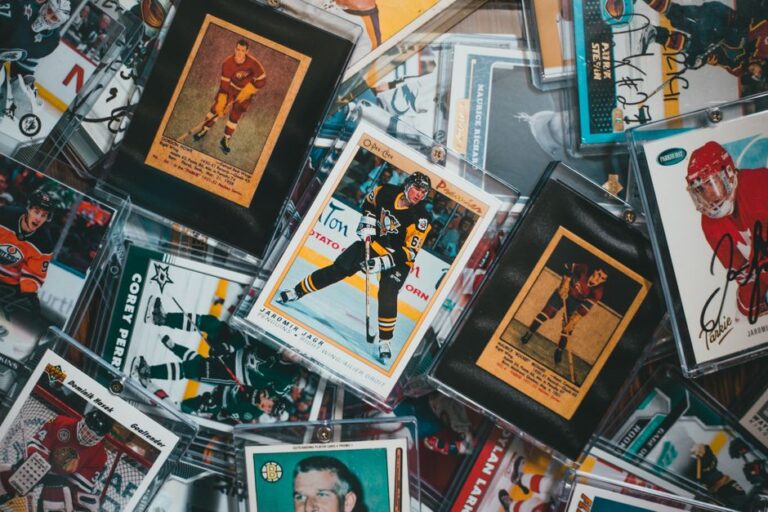
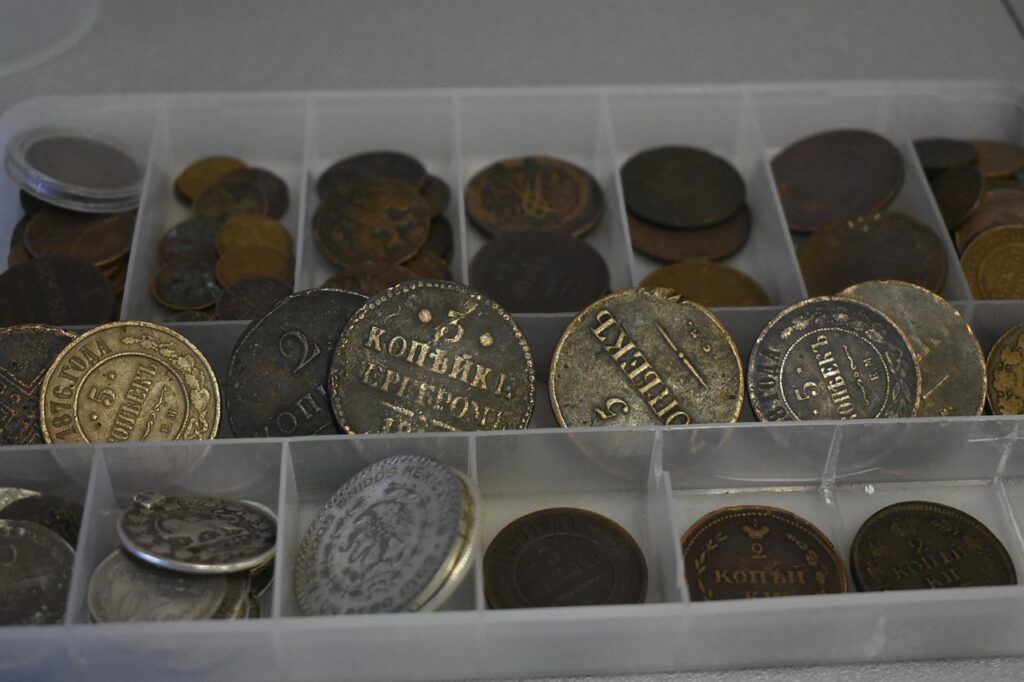
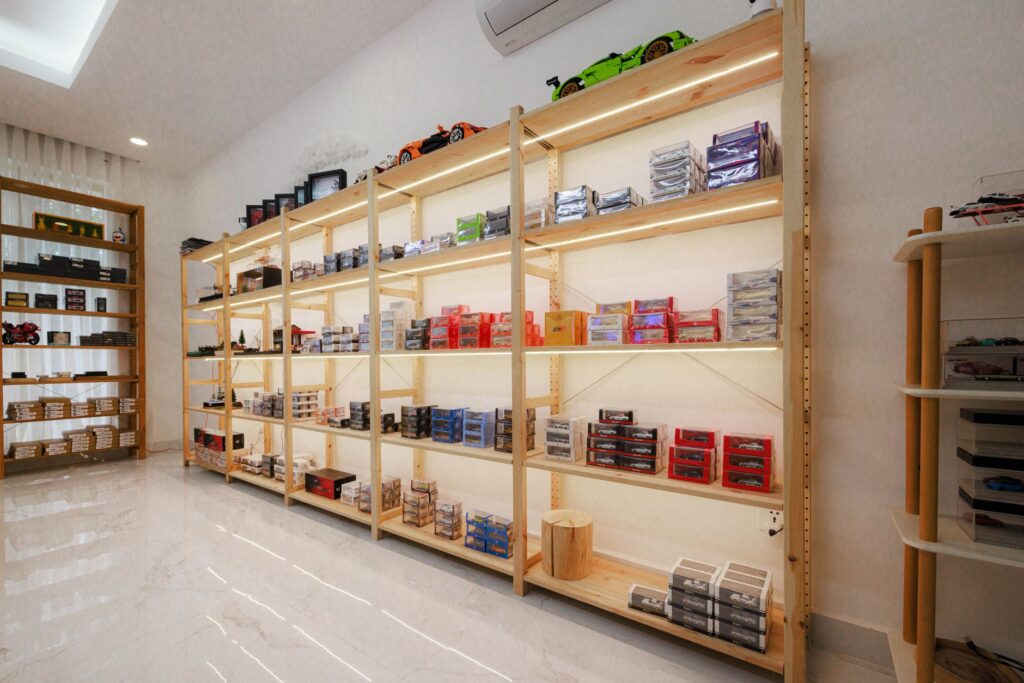
Collecting should be enjoyable, but good decisions take more than enthusiasm. Collector Basics is the starting point for building a collection with a clear budget, reliable research, and practical care habits across trading cards, coins, diecast cars, and LEGO.
How to start collecting
Start with a subject you genuinely want to learn about. Begin small, define what belongs in your collection, and keep notes about what you own, where it came from, its condition, and what you paid. A focused starting point is usually easier to manage than trying to collect everything at once.
Set a collecting budget
Set a monthly or quarterly amount you can afford to lose without affecting household expenses. Leave room for shipping, storage, grading, authentication, taxes, and occasional repairs. A budget is a guardrail, not a target to spend at all costs.
Research sold prices before buying
Asking prices show what sellers hope to receive. Sold listings, completed auctions, specialist marketplaces, and reputable auction archives provide better evidence of what buyers actually paid. Compare like with like: edition, variant, grade, condition, completeness, and date of sale all matter.
How grading works across collectibles
Grading is not one universal standard. Trading cards may be assessed by companies such as PSA, BGS, CGC, or SGC; coins may use services such as PCGS or NGC; diecast cars and LEGO are often judged through condition, packaging, completeness, production details, and collector-market conventions. Learn the relevant standard for the item instead of assuming that a grade transfers between categories.
Buy and sell safely
- Check seller history, return terms, photographs, and payment protections.
- Ask direct questions about authenticity, condition, repairs, missing parts, and provenance.
- Keep messages, receipts, invoices, and shipment records.
- When selling, describe flaws accurately and photograph the item before shipping.
Authenticate before paying a premium
Compare the item with trusted references and look for altered dates, counterfeit packaging, mismatched parts, reprints, trimmed cards, cleaned coins, and replacement components. For expensive or difficult-to-authenticate items, use a recognized grading or authentication service. A convincing story is not proof of authenticity.
Storage and preservation basics
Protect collectibles from heat, moisture, direct sunlight, dust, pressure, and unstable materials. Use appropriate archival holders, avoid harsh cleaning, keep items off damp floors, and inspect storage conditions periodically. Good preservation protects both the object and the information that makes it valuable to you.
Use the guides on GrandCollector to research specific items, compare market reality, and make more informed collecting decisions. Collect for the reasons that matter to you, and treat price as evidence rather than a promise.