
New collectors often jump into whatever looks most popular or valuable at the moment. They see viral YouTube videos about hot trading cards, or news articles about headline-making comic book auctions. The excitement makes sense — who wouldn’t want to find a treasure in their attic?
But that’s the wrong way to pick your first collecting niche. Chasing trends can get expensive quickly, and many beginners lose interest once the hype fades.
Here’s a better approach: start with what you already care about, not what’s temporarily hot.

Why this collectible category attracts people
Every collecting niche has its own appeal. Some people love the nostalgia of toys they played with as kids. Others are drawn to the history behind old coins or stamps. Trading card collectors often enjoy the strategy and community of the games, while watch collectors appreciate the craftsmanship and mechanical complexity.
The key is understanding why you’re attracted to a particular type of collectible. Is it because you genuinely enjoy the items themselves, or because you’ve heard they can be valuable? Starting with personal interest — not potential profit — is what separates long-term collectors from quick flippers who give up after their first bad buy.
Remember: most collectibles aren’t investments. The market is fickle, prices swing wildly based on hype cycles, and outside of a few rare exceptions, you’re unlikely to make money. Collect because you like the items, not because you expect to retire on them.
What beginners usually get wrong
New collectors make three common mistakes when choosing a niche:
1. Chasing whatever’s trending. When something goes viral, prices can rise and fall with hype. By the time a beginner notices the trend, the easy opportunities may already be gone. You can end up paying strong prices for items that later become much less exciting to other buyers.
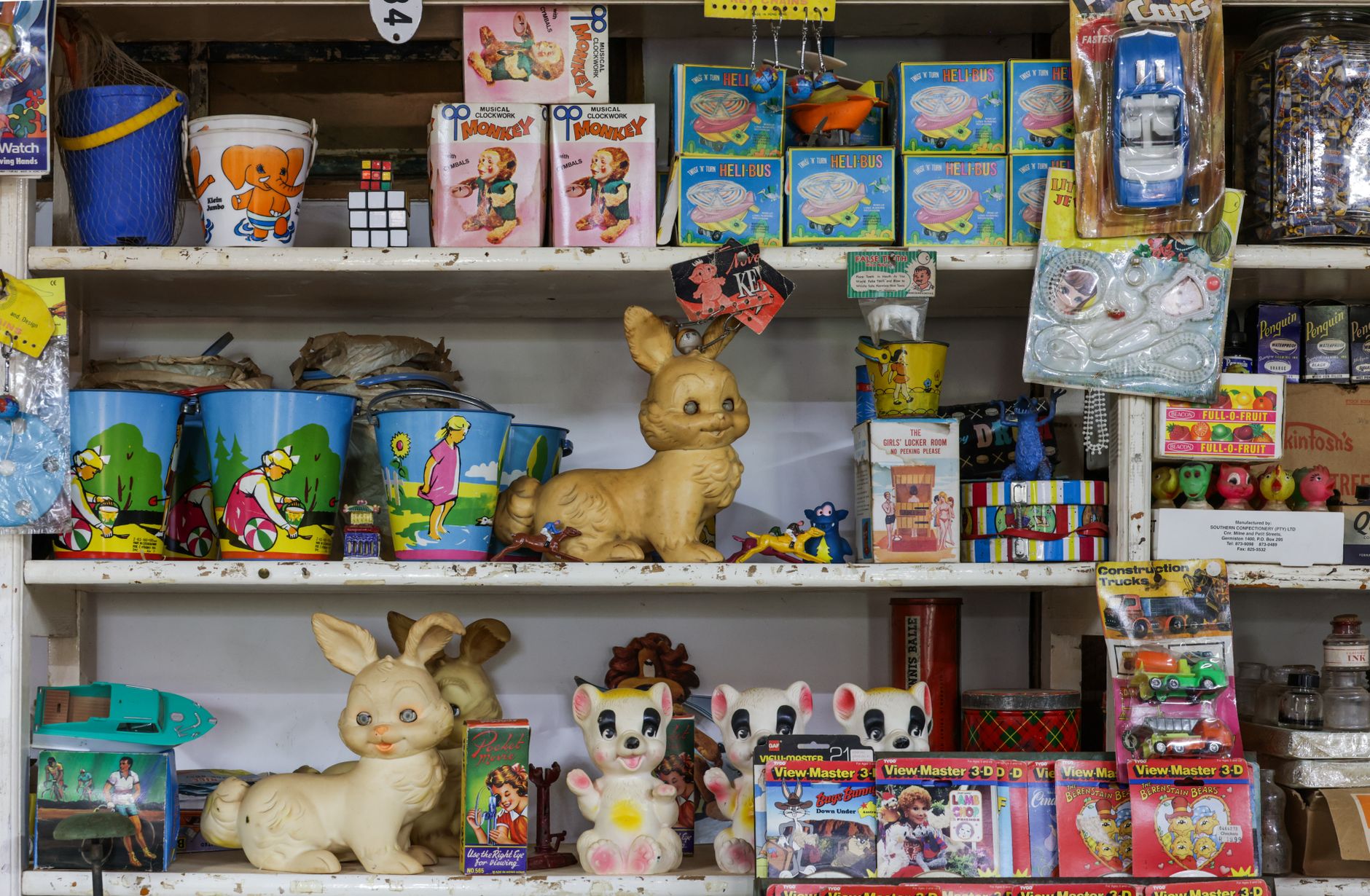
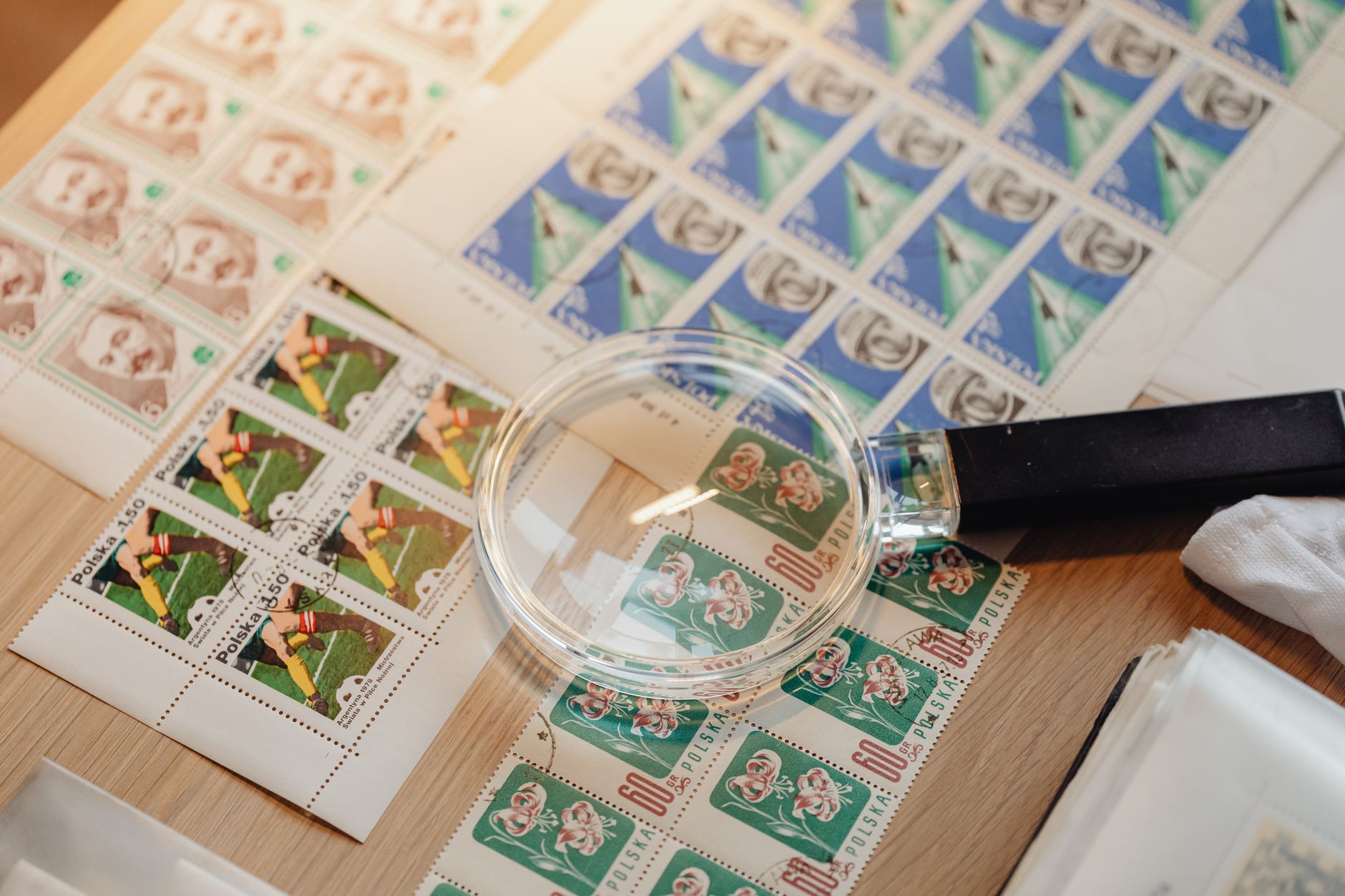
2. Assuming “old = valuable.” Age alone doesn’t determine worth. Many old stamps, coins, and toys were mass‑produced or simply do not have much collector demand. Condition, rarity, and desirability matter far more than how many decades something has been sitting in an attic.
3. Ignoring storage and maintenance costs. Some collectibles are fragile or require specific conditions. Vinyl records warp in heat. Comic books fade in sunlight. Trading cards get damaged by humidity. Vintage watches need servicing. If you can’t store items properly, your collection will deteriorate — and lose value — faster than you can enjoy it.
How to judge value
Before committing to a niche, spend a few weeks researching what drives interest within that category. Look at recent sold listings and completed auction results when available — don’t judge the market only by ambitious asking prices.
Pay attention to:
Condition standards. Grading scales vary by category. Higher third‑party grades can carry a premium, especially when buyers care strongly about condition. Coins are commonly graded on the 70‑point Sheldon scale, while cards and comics use their own grading conventions.
Key variants and errors. In many collecting fields, small differences can make one item more desirable than another. A first printing versus a later reprint, an error coin versus a normal strike, or a comic with a known variant cover can attract different levels of demand. Learn what the “chase” items are in your chosen niche, and why they’re sought after.
Market liquidity. Some categories are more liquid than others. A popular card or comic may have a large buyer pool, while a bulky or highly specialized collectible can be harder to sell. If you ever plan to sell, pick a category with enough demand that you won’t be stuck with items nobody wants.
Authentication and condition checks
Every collecting category has its own fakes, reproductions, and altered items. Before you buy anything, learn how to spot them.
For trading cards: look for color discrepancies, off‑centering, and suspiciously perfect edges on supposed “mint” cards. Counterfeit vintage cards often have wrong fonts or blurry text under magnification.
For coins: weigh them — fakes are often the wrong weight or made from different metals. Check for casting seams, weak details, and incorrect mint marks.
For vintage toys: repro boxes and accessories are common. Learn how original packaging differs from modern re‑creations. Look for date stamps, manufacturing marks, and material textures that match the era.
When in doubt, consider graded items from reputable third‑party services like PSA, CGC, NGC, or PCGS. The slab may cost more than a raw example, but it can also reduce some authentication and condition risk.
Buying tips
Start small. Your first purchases shouldn’t be your most expensive ones. Buy a few inexpensive items to learn the market, handle the objects, and figure out what you actually enjoy.
Find reputable sellers. Established dealers, well‑reviewed eBay stores, and auction houses with buyer protection are safer than random Facebook Marketplace listings. Avoid deals that seem too good to be true — they usually are.
Learn the terminology. Every niche has jargon. In comics: “Newsstand vs. Direct,” “Marvel chipping,” “pages off‑white.” In coins: “Mint State,” “toning,” “bag marks.” In cards: “centering,” “corners,” “surface.” Knowing the language helps you communicate with sellers and understand listings.
Set a budget and stick to it. It’s easy to get carried away, especially in auctions. Decide what you’re willing to spend before you bid, and don’t go over that number.
Selling or holding considerations
Think about exit strategy before you start. Are you collecting for the long term, or do you plan to sell items eventually to fund upgrades?
If you might sell:
– Pick items with stable or growing demand, not just temporary hype.
– Keep original packaging, certificates, and documentation.
– Store everything carefully to preserve condition.
– Track what you paid, when, and from whom — useful for taxes if you do make a profit.
If you’re holding indefinitely:
– Focus on items you genuinely love looking at or handling.
– Consider display and storage options that protect while allowing enjoyment.
– Accept that most items won’t appreciate dramatically, and that’s okay — you’re collecting for pleasure, not profit.
Common red flags
Watch out for these warning signs when exploring a new niche:
Too many “get rich quick” guides. If a category is flooded with videos and articles promising easy flips, it’s likely in a hype cycle. Real collecting isn’t a side hustle for most people.
Inconsistent grading. If sellers regularly describe items as “near mint” when they’re clearly damaged, that niche might have loose standards — making it harder to buy confidently.
No clear price guides or realized auction records. Established categories usually have more visible sales history. Newer or extremely niche fields might not, which means you’re guessing at value.
Difficult authentication. Some items are notoriously hard to authenticate without expensive equipment or expert consultation. If fakes are widespread and hard to spot, beginners can lose money quickly.
Final practical advice
The best first niche is one that matches your existing interests, budget, and available space. If you already read comics, start there. If you wear watches every day, watch collecting makes sense. If you have young kids and limited display space, maybe small die‑cast cars or mini‑figures work better than life‑sized movie props.
Visit local shops, shows, or conventions before spending serious money. Talk to collectors. Handle items in person. See what feels right.
Ignore the pressure to specialize immediately. It’s fine to dabble in a few related areas at first — vintage video games and retro consoles, or coins and paper money — then narrow down once you know what you enjoy most.
Most importantly: have fun. Collecting should be a hobby, not a second job. If you stop enjoying it, you’ve chosen the wrong niche.

Notes
[1] Grading services like PSA (Professional Sports Authenticator), CGC (Certified Guaranty Company), NGC (Numismatic Guaranty Company), and PCGS (Professional Coin Grading Service) provide third‑party authentication and condition assessment for various collectible categories.
[2] Market liquidity varies significantly by niche. Popular small collectibles may have a larger pool of active buyers, while bulky, specialized, or less familiar categories may require more patience and a more targeted selling venue.