
Starting a collection does not require a large budget or a perfect plan. It requires a clear reason for collecting, a limit on spending, and enough patience to learn before buying. The expensive mistakes usually come from rushing into a trend, confusing asking prices with real market evidence, or buying items that cannot be inspected properly.
Decide what you want the collection to do
A collection can be a way to study history, enjoy design, build a focused set, or keep a small group of objects that has personal meaning. It does not have to be an investment, and it should not be funded with money needed for rent, debt payments, emergencies, or everyday expenses.
Write a one-sentence collecting rule before you buy. For example: collect one team, one era, one scale, one LEGO theme, or one type of coin. A rule makes it easier to reject an attractive item that does not fit. It also prevents the collection from becoming a random pile that is difficult to store, research, or explain.
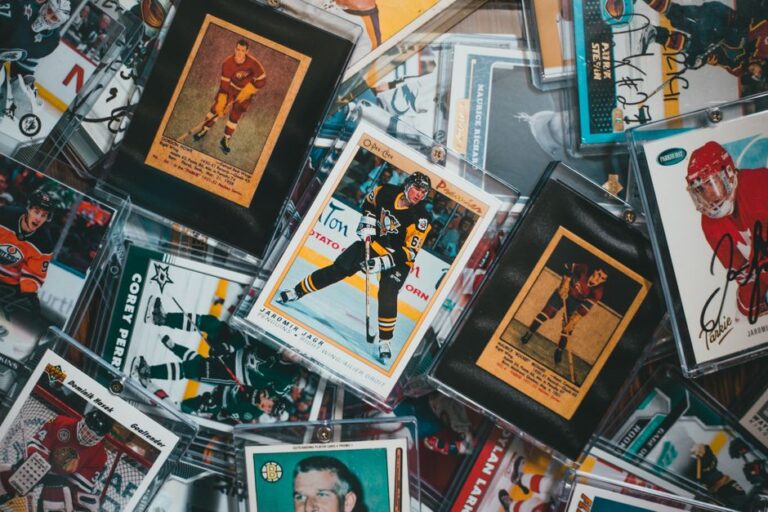
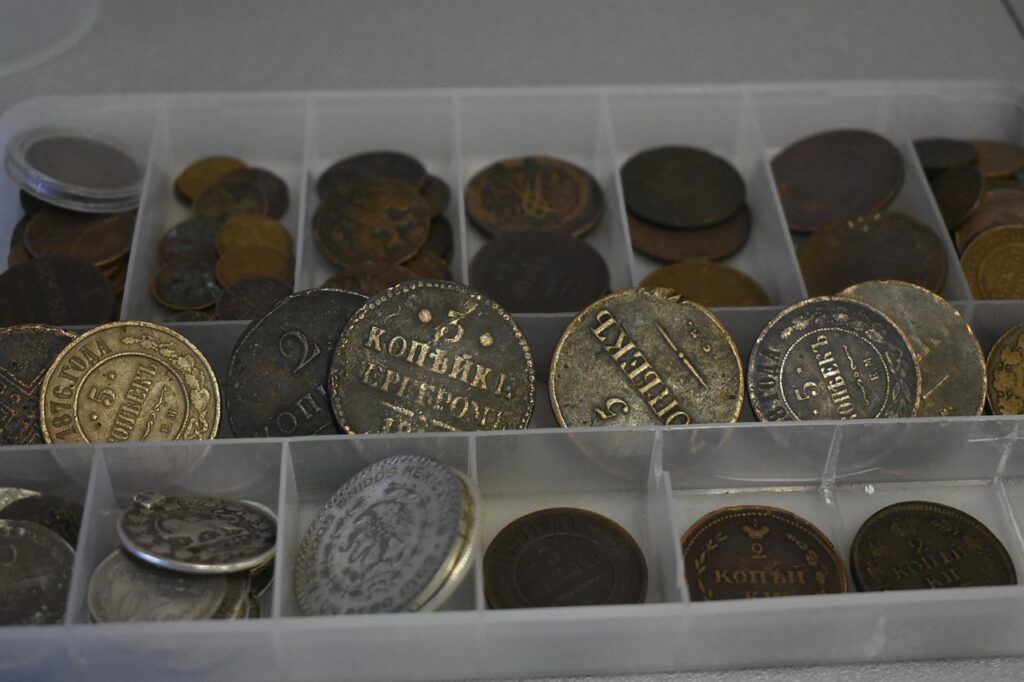
Do not begin by asking which niche will make the most money. Begin by asking which subject you are willing to study when the exciting releases and social-media attention move elsewhere. Trading cards, coins, diecast cars, and LEGO all reward attention to condition, authenticity, completeness, and documentation, but each has different standards and buying risks.
Research before making the first purchase
Spend the first stage learning how the market describes an item. Find out which details identify a genuine example, which defects matter, how condition is described, and what information a serious listing should show. Read several sold listings rather than relying on the highest asking price. A seller can request any number; a completed sale gives a more useful reference point.
Build a short reference list for the niche:
- Common terms, editions, years, scales, sets, or mint marks
- Typical condition problems and missing components
- Known counterfeit, altered, restored, or reproduction issues
- Reliable places to compare completed sales
- Storage requirements and supplies that will not damage the item
Use the guide to choosing a first collecting niche before committing to a category. If a topic still seems appealing after the research becomes less glamorous, it is more likely to be a sensible starting point.
Set a buying rule and a waiting period
Set a monthly collecting budget after essential expenses and savings, not before them. Keep a separate record of the purchase price, shipping, taxes, fees, and any storage or grading costs. The item price alone is not the cost of collecting it.
Give yourself a waiting period for purchases that are expensive, heavily promoted, or described as rare. During that period, save the listing, compare other examples, and write down what evidence supports the price. If the opportunity disappears before you are ready, another opportunity will come along. A short delay is cheaper than an emotional purchase.
Start with an item that teaches you something without putting the entire budget at risk. It should be authentic enough to study, complete enough to understand, and common enough that you can find comparable examples. The best first purchase is not necessarily the cheapest item. It is the one that gives you useful experience while leaving room for mistakes.
Inspect the item, seller, and evidence
Do not treat polished photographs, a confident description, or a high feedback score as proof that a listing is safe. Compare the photographs with the written description. Look for clear views of the front, back, edges, packaging, marks, labels, accessories, and any areas where damage commonly appears.
Ask direct questions before paying:
- What exactly is included?
- Are any parts, cards, instructions, packaging, or accessories missing?
- Has the item been repaired, cleaned, recoloured, altered, or replaced?
- Are the photographs of the actual item?
- What happens if the item is materially different from the description?
Walk away when the seller avoids reasonable questions, uses only stock photographs, pressures you to pay quickly, or makes a large value claim without evidence. GrandCollector’s fake-collectible guide explains why authentication should come before excitement.
Buy condition and completeness, not just a story
“Rare,” “limited,” “investment,” and “museum quality” are descriptions that need support. They are not substitutes for inspection. A common item in excellent, complete condition may be a better purchase than a supposedly scarce item with undisclosed damage. For LEGO, check parts, instructions, stickers, minifigures, and box condition when those details matter. For cards, look at centering, corners, edges, surface, and signs of alteration. For coins, look for cleaning, scratches, corrosion, and surface disturbance. For diecast cars, inspect the body, wheels, windows, base, packaging, and replaced components.
Protect the collection and keep records
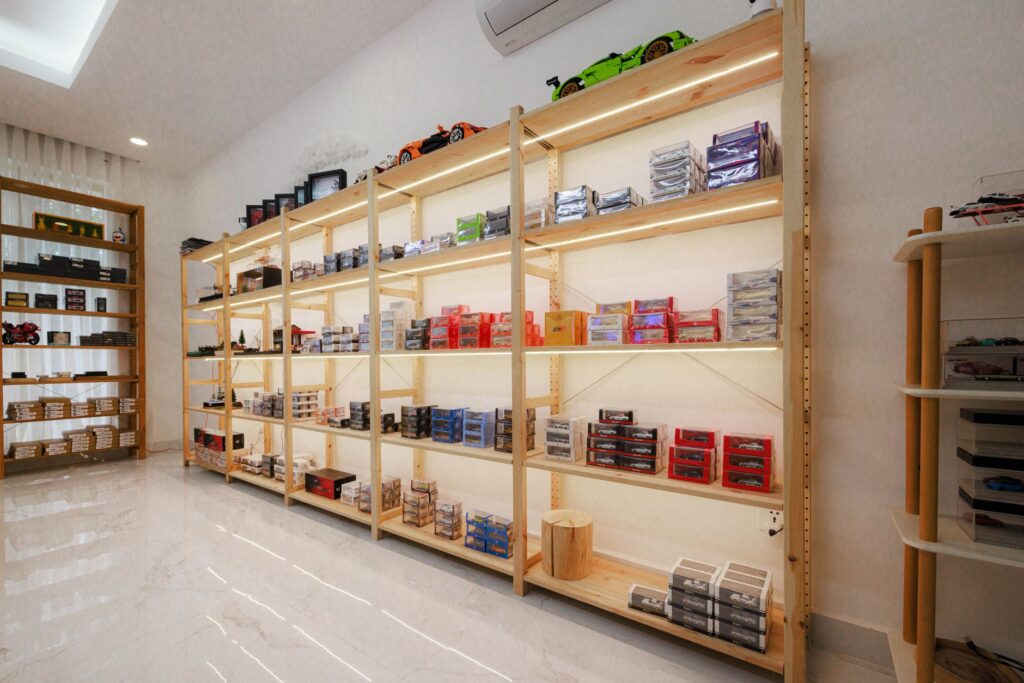
Storage is part of the purchase decision. Use holders and boxes made for the material, keep paper and cards away from moisture, avoid direct sunlight, and do not place objects in materials that can react with them over time. Do not clean coins, scrub LEGO prints, or polish diecast surfaces simply to make them look newer. An attempted improvement can permanently reduce the item’s condition.
Record the date, seller, price, item description, photographs, and any uncertainty. Keep receipts and messages for meaningful purchases. An inventory helps prevent duplicate buys, makes insurance or family handover easier, and gives you a clearer view of what the collection actually cost.
A practical first-year plan
- First month: choose a collecting rule, read the basic guides, and compare completed sales.
- Next two months: inspect several listings without buying and build a condition checklist.
- After that: make one controlled purchase and document it completely.
- Throughout the year: improve storage, review what you learned, and buy only items that still fit the rule.
A focused collection grows through repeated good decisions, not through constant buying. Learn the language of the niche, check the evidence, protect what you own, and leave room in the budget for a better opportunity. That approach is slower than chasing every new release, but it is much less likely to leave you with expensive items you never really wanted.
Notes
This guide provides general collecting education. Prices, availability, condition standards, and authentication requirements vary by niche and item. Use the linked GrandCollector guides for category-specific checks before making a purchase.