

Disclosure: This article may contain affiliate links. If you buy through them, GrandCollector may earn a commission at no extra cost to you.
Trading cards look simple from the outside: buy packs, pull something cool, repeat. That’s what most people think the hobby is. The reality is messier. Between manufactured scarcity, grading gatekeeping, and an online marketplace that rewards speed over patience, beginners walk into a hobby that’s been heavily optimized to separate them from their money.
That doesn’t mean you should avoid it. Trading cards are genuinely fun to collect, and some of the best collector experiences come from building a set, chasing an artist you like, or completing a deck. But you need to know what you’re walking into. This guide covers what actually matters when you’re starting out: across Pokemon, sports cards, Magic: The Gathering, Yu-Gi-Oh, and the broader card hobby.
Why this collectible category attracts people
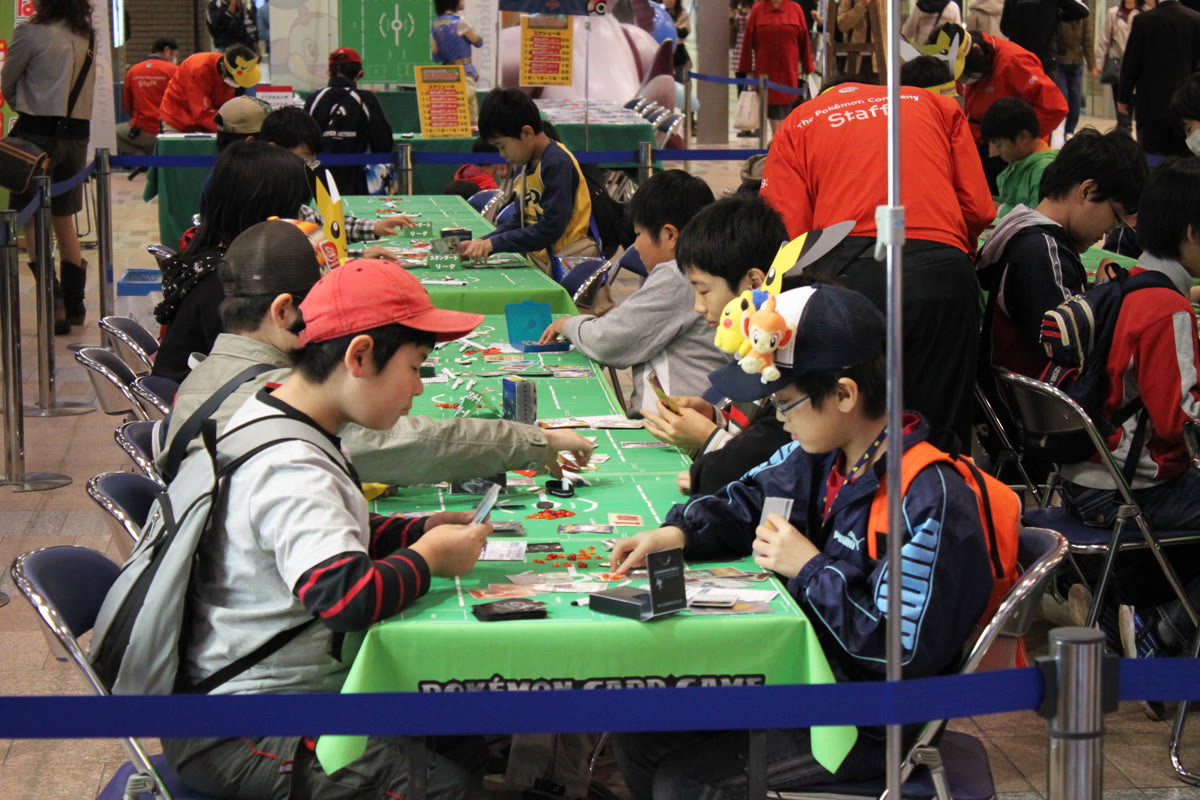
Cards hit a sweet spot. They’re portable, storable, and easy to display in binders or top loaders. They carry strong nostalgia hooks, most people handled Pokemon or sports cards as kids. And unlike coins or stamps, cards connect to active communities: players who build decks, collectors who complete sets, and investors who track market movements on platforms like TCGplayer and eBay.
The dopamine loop is real, too. Opening a booster pack is genuinely exciting, and that’s by design. Card companies have spent decades perfecting the unboxing experience. The problem is that this loop also makes it easy to overspend chasing something you’ll probably never pull from a pack.
What beginners usually get wrong
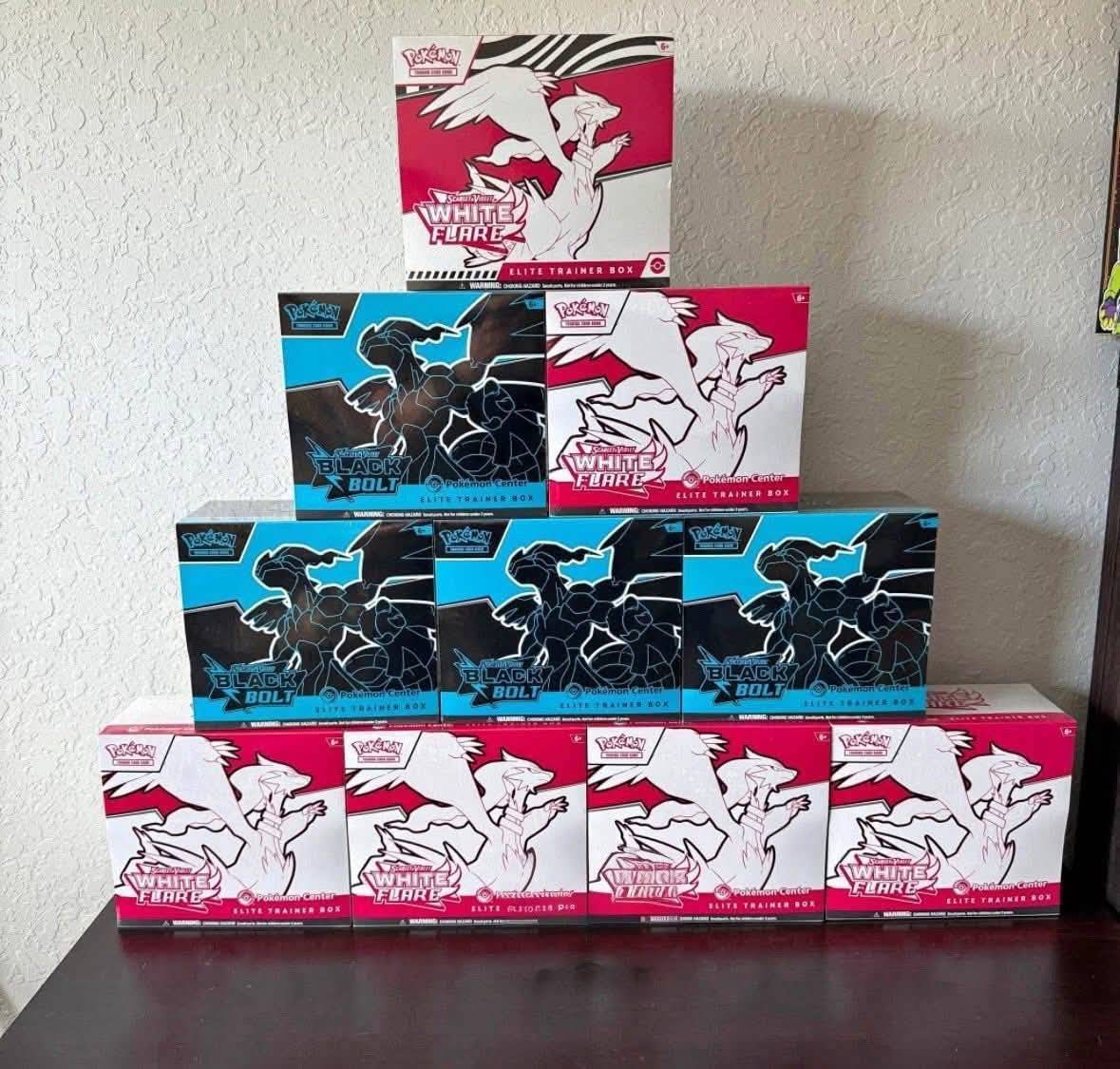
The biggest mistake is treating sealed product like an investment. Most modern booster boxes and packs won’t appreciate in ways that beat inflation, and the cards inside are worth a fraction of the pack price on average. Opening packs is entertainment spending, treat it that way.
Beginners also overvalue “rare” symbols without checking actual market availability. A card marked rare, holo, or secret rare can still be worth pennies if demand doesn’t exist. Rarity symbols measure print frequency, not collector interest. A common card played in competitive decks can outprice a “rare” that nobody wants.
Another classic error: buying ungraded “mint” cards at premium prices without understanding what “mint” conditions actually mean to grading companies. The gap between “looks good to me” and a PSA 9 is wider than most newcomers realize.
How to judge value
Ignore sticker prices. Value is what someone actually paid, not what a seller is asking. Check sold listings on eBay (filter by “Sold Items”) or TCGplayer’s market price history. Listing prices are noise, sold prices are the signal.
For sports cards, the player matters more than the set. A rookie card of a bench player from a premium set won’t hold the same demand as a base rookie of a star from a cheaper product. For TCGs like Pokemon, Magic, and Yu-Gi-Oh, playability drives demand for modern cards, while nostalgia and rarity drive the vintage market. A card that’s both collectible and competitively playable tends to hold value better than either alone.
Condition is everything in cards. Centering, corners, edges, and surface imperfections all matter. A card that looks clean to the naked eye can still have print lines, edge whitening, or surface scratches that knock it down significantly [1]. Learn to use a loupe or magnifying glass before you spend real money.
Authentication and condition checks
Counterfeit cards are a real problem, especially for high-value vintage Pokemon and Magic cards. Modern fakes can be convincing enough to fool someone who hasn’t handled real cards before. The light test, the rip test (not recommended for expensive cards), and comparing card stock texture against a known authentic copy are practical first-line checks.
For graded cards, check the certification number on PSA, BGS, or CGC’s website. Don’t trust the slab alone, counterfeiters slab fake cards in fake cases with real-looking labels. Always cross-reference the cert number and compare the card inside against the grading company’s scan if available.
When buying raw (ungraded) cards online, photos are everything. If a listing only has one blurry front photo, move on. You want clear images of the front, back, and close-ups of corners and edges. Sellers who won’t provide additional photos on request are telling you something.
Buying tips
Next buying step: Before you choose sealed product or singles, read How to Spot Reprinted or Counterfeit Trading Card Booster Packs and How to Decide Between Sealed Booster Boxes and Individual Cards.
Buy singles, not packs. This is the most boring advice in the hobby and the most important. For the price of one booster box that contains mostly bulk, you can buy multiple cards you actually want. Packs are for the experience, singles are for building a collection.
Stick to reputable marketplaces. eBay (with buyer protection), TCGplayer, and Cardmarket (Europe) are the standard venues. Local card shops can be great for browsing and community, but prices vary widely, some shops price at market, others run a significant premium. Facebook groups and Discord communities offer deals but with zero buyer protection. Know the tradeoff.
Set a monthly budget before you start browsing. The card market is designed to create urgency, limited print runs, “while supplies last” drops, and fear of missing out on the next big card. A budget keeps you grounded when every listing feels like a must-buy.
Selling or holding considerations
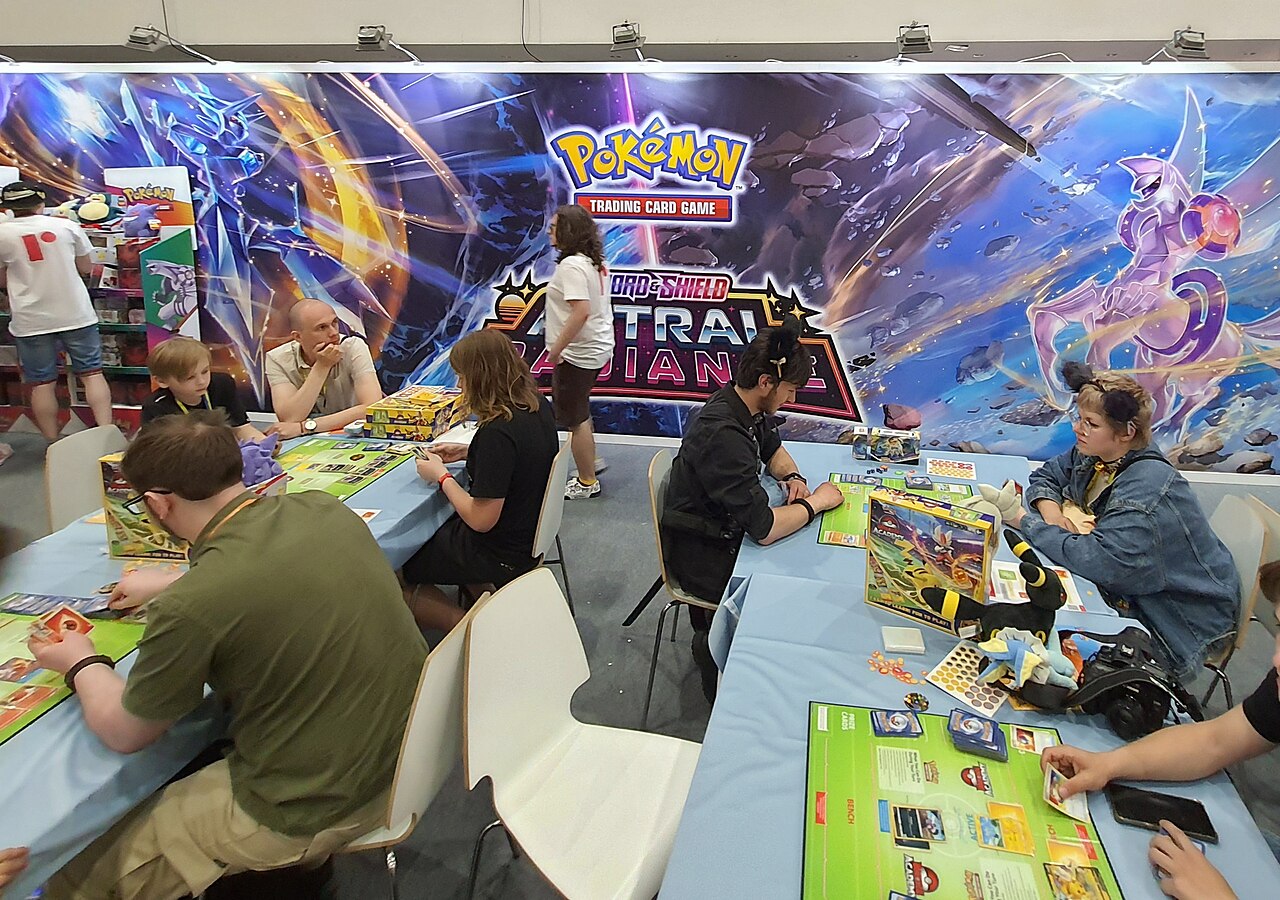
Most cards lose value over time, not gain it. The cards that appreciate are typically the exceptions: key rookie cards of Hall of Fame athletes, first-edition vintage Pokemon holos, or Magic Reserved List staples. The rest, bulk rares, modern parallels, most inserts, will be worth less in five years than they are today.
If you plan to sell, grading can help for the right cards, but it’s not free money. Grading fees, shipping, and insurance add up, and a card that grades lower than expected can sell for less than the raw copy cost plus grading fees. Only grade cards where the math clearly works, a raw card worth a few dollars rarely justifies grading.
Timing matters for modern cards. Prices spike during release hype and competitive season, then cool off. Selling into hype and buying during the offseason is a pattern worth learning if you plan to move cards regularly.
Common red flags
Watch for listings that use stock photos instead of actual card images, you have no idea what you’re buying. “Pack fresh” means nothing without photos. “Near mint” in a listing title when the photos show edge wear is a red flag, not a negotiation opportunity.
Be skeptical of “mystery packs” or repackaged products sold by third parties. These are almost always a way to offload bulk at a premium with the promise of a “chase” card that either doesn’t exist or appears at rates much lower than implied. The house always wins on these.
If a deal looks too good relative to recent sold prices, it’s either damaged, fake, or someone trying to move stolen goods. Cards that sell for hundreds don’t get listed at twenty dollars by accident.
Final practical advice
Start narrow. Pick one game, one sport, or even one set and learn it thoroughly before expanding. Trying to collect everything across Pokemon, sports, Magic, and Yu-Gi-Oh simultaneously is a fast route to a cluttered room full of cards you don’t care about and a credit card balance you didn’t plan for.
Focus on what you enjoy. If you love the art, collect artists. If you love the game, build decks. If you love the nostalgia, chase the cards you wanted as a kid. Collecting for pure investment without genuine interest in the cards is a job, not a hobby, and it’s one where the professionals have better information than you do.
Protect what you buy. Penny sleeves and top loaders cost almost nothing and prevent most handling damage. For anything worth keeping long-term, sleeve it immediately after opening. Ringless binders with side-loading pages are the standard for set collectors. Humidity and sunlight are your enemies, store cards somewhere cool, dry, and dark.
Notes
[1] Grading standards for centering, corners, edges, and surface are publicly documented by PSA, BGS, and CGC on their respective websites. Familiarity with these standards helps avoid overpaying for raw cards described as “mint” or “gem mint” by sellers.
Disclosure: This article may contain affiliate links. If you buy through them, GrandCollector may earn a commission at no extra cost to you.
Recommended Card Collecting Supplies
Here are a few products that can help with the topics covered in this article:
🛒 Recommended: NIUBEE 3-Tier Acrylic Display Case
A 3-tier acrylic display case with magnetic closure and UV protection — perfect for displaying collectibles, figures, and small treasures while keeping dust out.
acrylic display case
🛒 Recommended: CARDBINDER 9-Pocket Toploader Binder
A practical binder for keeping protected trading cards organized and easier to store, especially when you want to keep top-loaded cards together in one place.
Fact-checked and refreshed on 2026-07-28. This beginner guide remains current as of this date.
Continue Your Beginner Path
Ready to make your first careful purchase? Read How to Buy Trading Cards Online Without Overpaying or Getting Altered Cards, then continue with our guides to trading card grading and card storage.