

Updated August 2026. A limited label describes availability; it does not promise a profit.
Limited-edition Funko Pops can be appealing because the release is smaller, the packaging may be exclusive, or the item may be tied to an event. But “limited edition” is not the same thing as “good investment.” The sensible question is whether you actually want the item at the price you are paying, even if resale demand later weakens.

What limited edition actually tells you
Start with the manufacturer’s description. Check whether the product has a stated piece count, a retailer or event connection, a numbered release, or simply a marketing label. Funko’s current Limited Edition material describes products with limited piece counts and says some will not be restocked. That tells you about the release plan, not the future selling price.
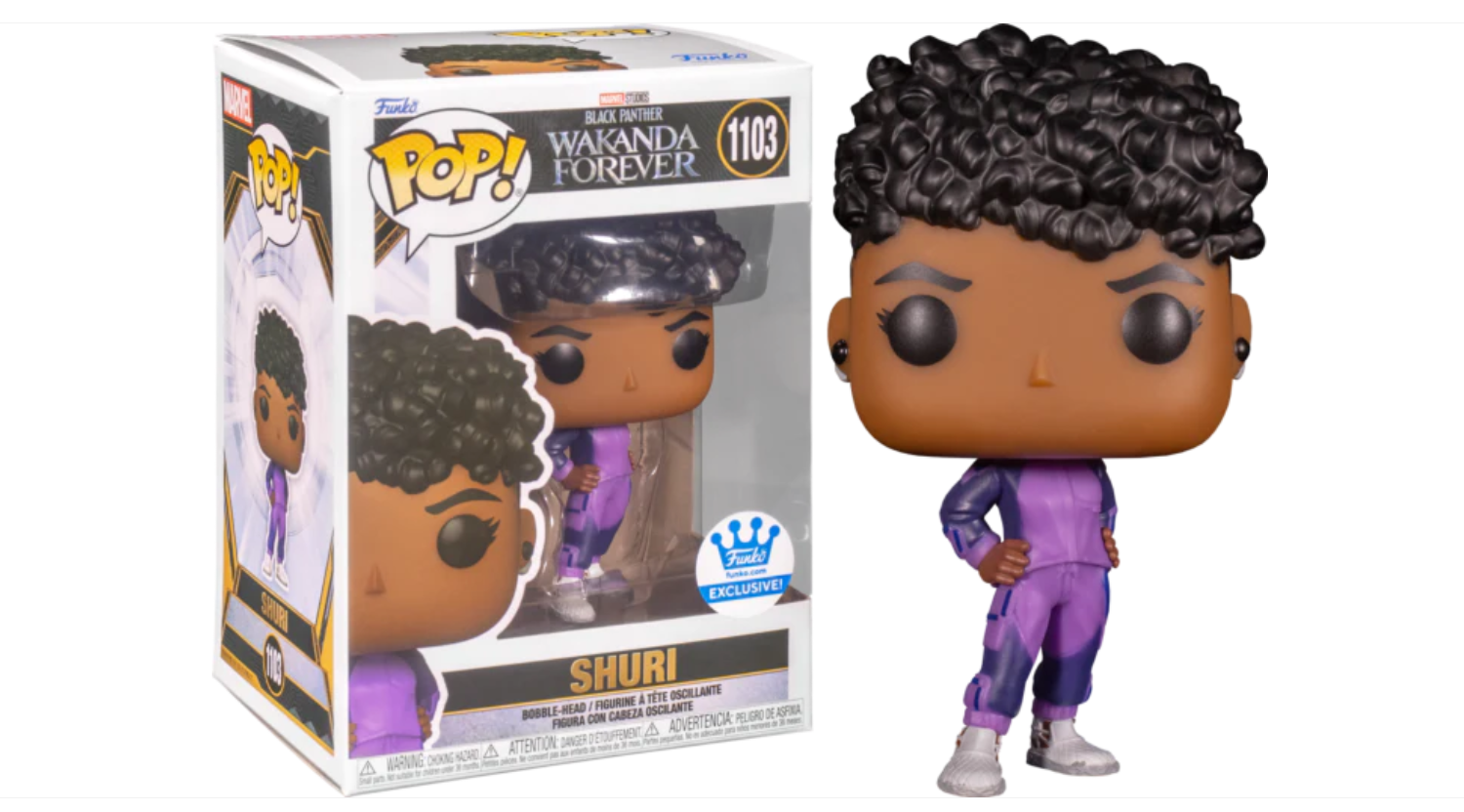
Keep the original listing, receipt, and photographs. Product names can be reused across lines, and a sticker or retailer association may distinguish one release from another.
Demand matters more than the label
A small release can still struggle if few collectors want the character, design, size, or license. A widely wanted character can attract attention, but attention is not guaranteed to last. Check whether recent completed sales exist, whether buyers are competing for the item, and whether most listings remain unsold.
Do not use an active listing as proof of value. Compare completed sales for the same box, finish, sticker, and condition. Separate sealed, opened, damaged, and bundled examples.
Work out the real cost
Include shipping, taxes, marketplace fees, storage, and the risk of damage. A purchase that looks inexpensive at checkout can be harder to resell after those costs. If you are buying several copies, assume that selling them will take time and that demand may not be available when you need it.
Chase, exclusive, and limited are different ideas
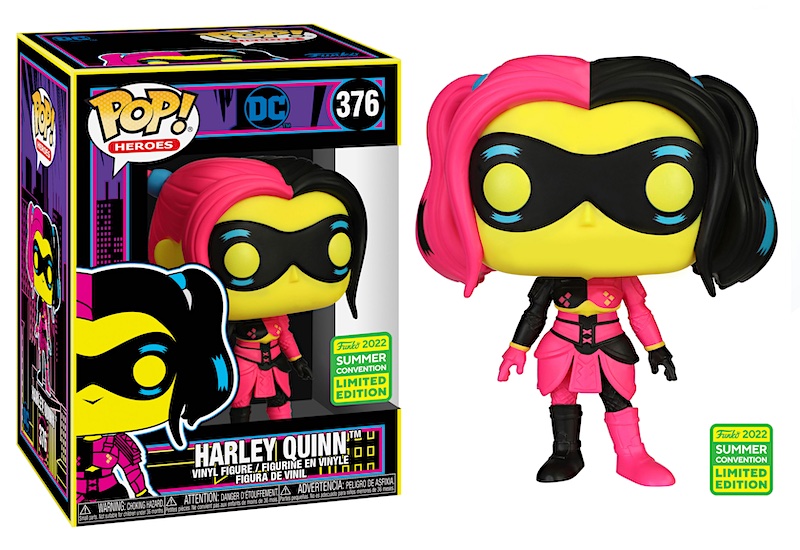
Funko describes a chase as a randomly shipped variation that may use a different colorway, glow, flocking, glitter, metallic finish, or another change. An exclusive usually identifies a retailer, event, or distribution arrangement. A limited edition describes restricted availability or a stated run. One item can fit more than one description, but none of the terms alone establishes a resale price.
Condition and authenticity still decide the result
Inspect the box window, corners, edges, print quality, sticker, barcode, and figure. Keep packaging away from heat, moisture, sunlight, and pressure. For expensive pieces, compare the item against trusted reference photographs and retain provenance. Funko has used authentication stickers and code-based systems for some products, but a sticker should be treated as one part of an assessment rather than a complete answer.
When buying makes sense
- You would still enjoy owning it if resale demand disappeared.
- The seller provides clear photographs of the actual item.
- The price fits your collecting budget after all fees.
- You understand whether the release is sealed, opened, damaged, or incomplete.
- You have checked completed sales rather than relying on hype.
Bottom line
Buy a limited-edition Funko Pop for the collecting experience first. Treat scarcity as a product fact, not a financial forecast. The strongest decision is one you can live with even when the market becomes quieter.
Notes
[1] Funko’s Limited Edition FAQ describes limited piece counts and says some products will not be restocked.
[2] Funko’s chase guide describes chase variants as randomly shipped variations.
[3] eBay’s pricing guidance recommends using completed listings and comparable sold items when estimating a price.