
A character list is not a valuation guide. A licensed figure can be popular, old, difficult to find, or heavily advertised as “rare” without being scarce or valuable. To assess a Star Wars Funko Pop—or any licensed figure—start with the exact release, then test the seller’s terminology, condition, history, and completed sales. If those details are missing, the rarity claim is only a sales pitch.
Start with the exact release
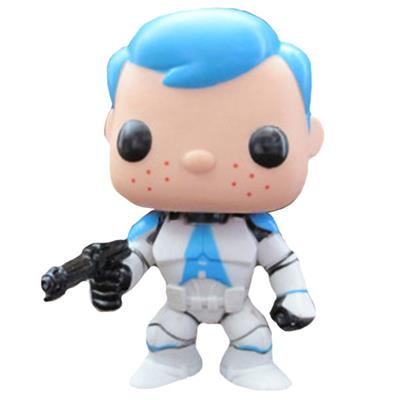
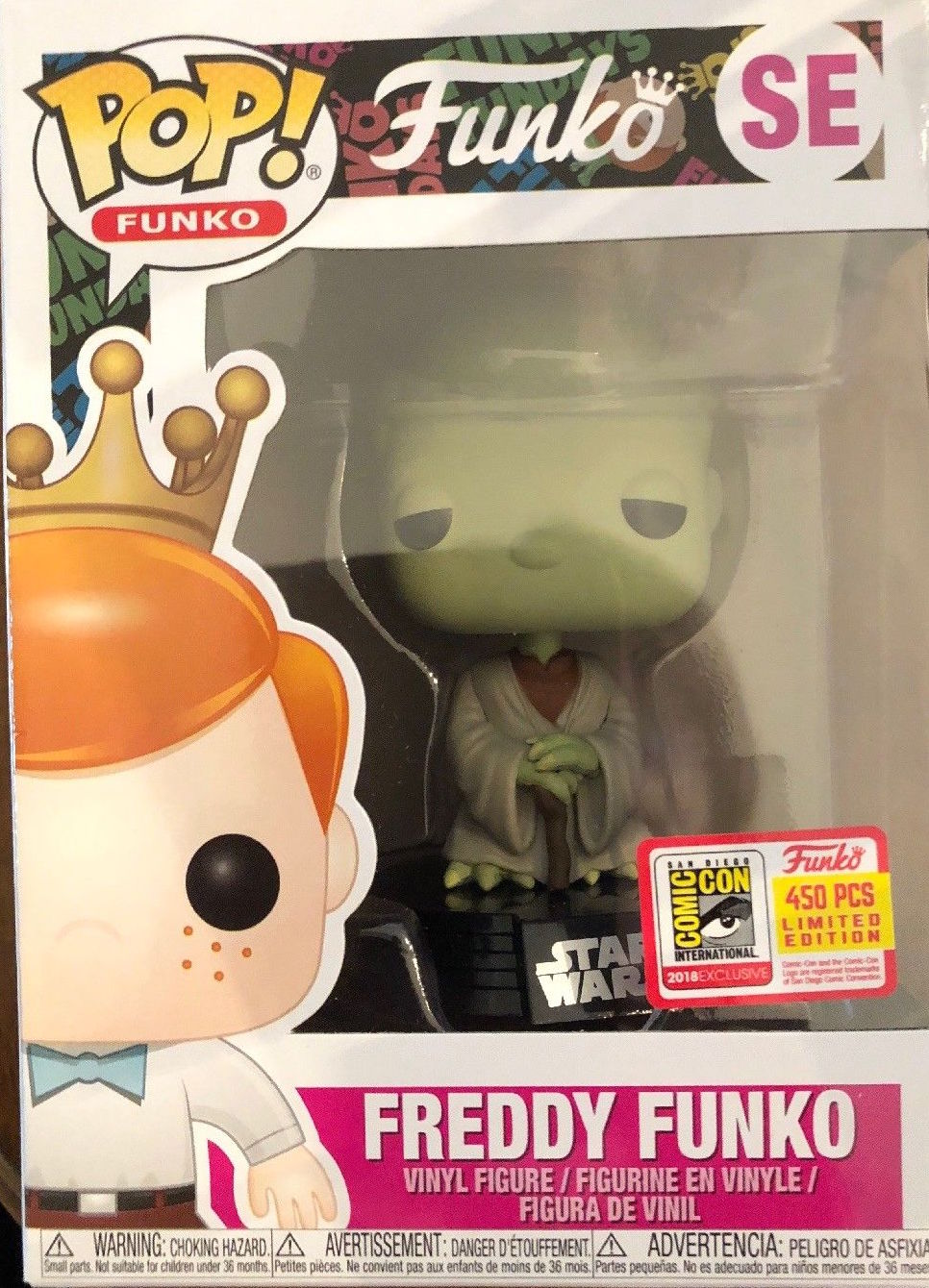
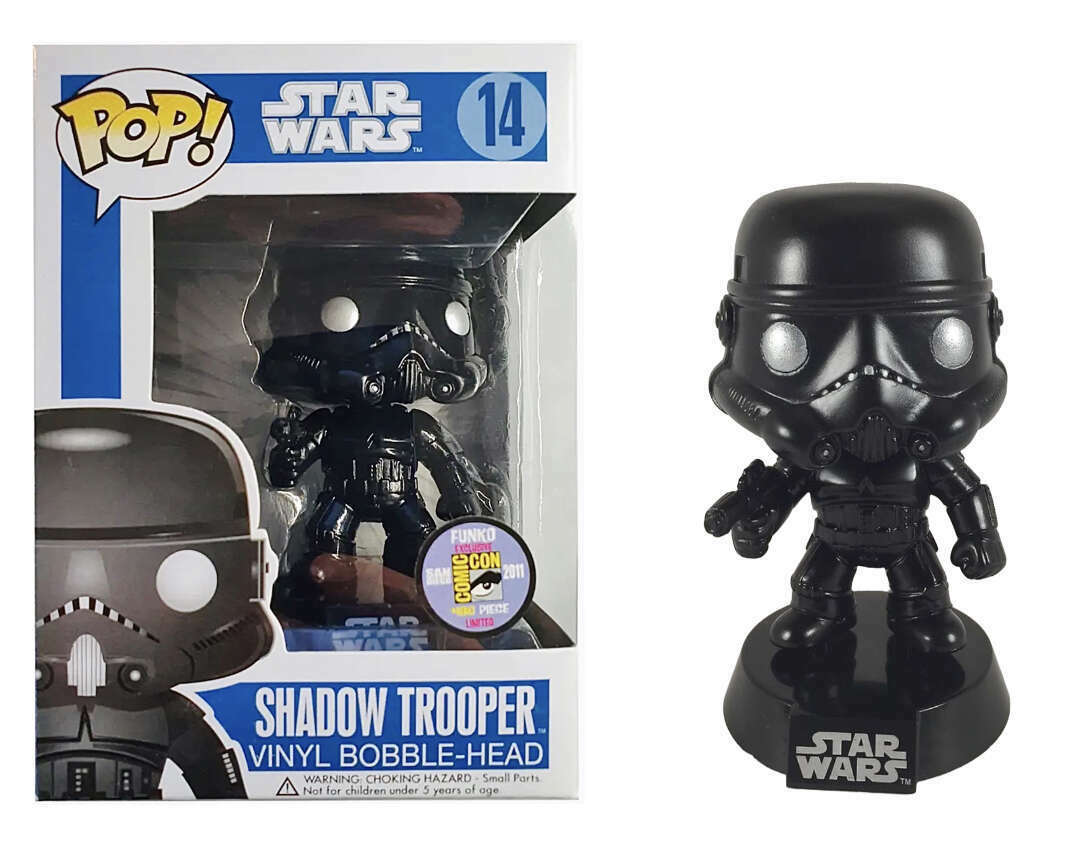
“A Darth Vader Pop” is not an identification. The useful description is the complete release record: character, product line, figure number, box design, sticker or mark, retailer or event association, edition details, and any visible production or copyright information. Small differences can separate a standard release from a later reissue, a convention version, a store exclusive, or a regional package.
Photograph the front, back, sides, top, bottom, and any sticker before comparing listings. Match those details against reliable catalogue entries, manufacturer pages, retailer announcements, convention records, or archived product documentation. Do not rely on a seller’s title alone; marketplace titles are often copied, simplified, or written for search traffic.
Understand what “limited,” “chase,” and “exclusive” mean
These words describe release circumstances, not an automatic result at resale. An exclusive generally means a release associated with a particular retailer, event, territory, or distribution channel. A chase is a variant distributed within a product run or assortment, usually with a different design detail. Limited may refer to a stated production quantity, a promotional allocation, or simply a restricted sales window. The exact wording and issuing source matter.
Ask what the terms mean for that specific release and who established it. A sticker that says “exclusive” can help identify a version, but it does not by itself prove scarcity, demand, authenticity, or a high selling price. Nor does a large-numbered figure automatically become less desirable than a lower-numbered one. Numbers are identifiers, not rankings.
Condition is part of the claim
For boxed figures, condition includes both the figure and its packaging. Inspect corners, edges, seams, windows, surface scratches, fading, sticker placement, crushed panels, tape, price labels, odors, and signs of moisture. A figure removed from its original packaging should not be described as mint in box. A replacement box, repaired window, or reproduction sticker must be disclosed clearly.
Condition language should be specific rather than theatrical. “Near mint” means little if the listing hides a damaged corner. Request sharp, well-lit photographs and compare them with the seller’s written description. Keep the original box protected from pressure, heat, sunlight, and damp storage; packaging damage can change what another collector is willing to pay even when the figure itself is clean.
Provenance helps, but it is not magic
Provenance is the documented history of an item: where it came from, when it was acquired, and what records support that account. Useful evidence might include an original retailer receipt, event purchase documentation, collection records, photographs showing the item over time, or a clear chain of ownership. Provenance is strongest when it supports the exact release being offered.
A story such as “found in an old collection” is background, not proof. A receipt can also prove only that something was purchased, not that the current box and figure have never been switched. Treat provenance as one part of an evidence bundle alongside physical inspection and market research.
Use completed sales, not asking prices
Active listings show what sellers hope to receive. Completed sales show that a buyer actually accepted a transaction, although even those records need context. Compare like with like: the same release, packaging version, condition, accessories, shipping terms, and authenticity standard. Separate auction outcomes from fixed-price sales, and be cautious with listings that ended without a sale or were cancelled.
Look for a pattern rather than one dramatic result. Thin sales history makes conclusions fragile. A high asking price, an unsold listing, or a social-media screenshot is not evidence of established market value. Record the date and the details of comparable sales because marketplace data changes and old screenshots can outlive the conditions that produced them.
Watch for counterfeit and altered figures
Counterfeit risks include copied figures, reproduction boxes, fake stickers, swapped inserts, altered paint, and genuine packaging paired with a different figure. Warning signs can include blurry printing, inconsistent fonts, weak colours, poor alignment, missing legal or manufacturer information, unusual plastic quality, sloppy paint, mismatched accessories, and a price or story that seems designed to eliminate questions.
Compare multiple photographs with trusted reference images, not just another marketplace listing. Ask for images of codes, seals, and construction details without assuming that any single mark is conclusive. For an expensive purchase, use a specialist authentication service or an established dealer who explains its inspection process and return terms. Never treat a certificate, sticker, or “guaranteed authentic” phrase as a substitute for checking the item.
Why character lists fail as value guides
A list of famous characters confuses recognition with scarcity. A major character can have many releases, while a less prominent character may have fewer versions, but neither fact proves what a particular copy is worth. Demand is also release-specific: collectors may want a particular pose, sculpt, box, sticker, variant, or production era rather than every appearance of the character.
That is why “top ten rarest” articles age badly. Reissues, changing collector preferences, incomplete identification, condition differences, and new sales data can all overturn a simple ranking. A better question is: what exact release is this, what evidence supports its distribution history, what condition is it in, and what comparable transactions can be documented?
A practical checklist before buying or selling
- Capture the complete release identity, including stickers and packaging differences.
- Find an authoritative or specialist reference for the release details.
- Define every rarity term instead of repeating the listing language.
- Inspect the figure and box separately, and disclose repairs or replacements.
- Collect several comparable completed sales with matching specifications.
- Ask direct questions about ownership history, returns, and authenticity.
- Walk away when the evidence is vague, the photos are poor, or pressure replaces documentation.
Rarity is a conclusion earned by evidence, not a label borrowed from a headline. Slow identification and ordinary scepticism will protect a collection better than any countdown list.
Notes
[1] Funko product pages and official announcements are useful starting points for release names, product identifiers, and stated exclusivity; confirm that the page matches the exact version.
[2] Marketplace help pages explain the difference between active listings and sold or completed transaction records. Use comparable records rather than isolated asking prices.
[3] Consumer-protection guidance from established marketplaces and specialist authentication services provides general warnings about counterfeit goods, altered packaging, and the importance of clear return terms.