


The Counterfeit Problem Has Changed
Counterfeit trading card booster packs used to be easy to spot. Wrong fonts, wrong card stock, packaging that looked photocopied. Those still exist on eBay from zero-feedback sellers, but they’re not the threat that catches experienced collectors anymore.
The bigger problem now is resealed product. Someone buys a booster box, opens every pack, removes anything worth more than a few dollars, then reseals the packs and the box using heat or glue. The packaging is genuine. The outer shrink wrap might be genuine. The cards inside have been stripped of value. Spotting these takes more than a quick glance at the cellophane.
Both Pokémon and Magic: The Gathering have seen a surge in resealed product on third-party marketplaces since late 2020. The Pokémon Company’s own support page now includes a section on identifying fake packaging. Wizards of the Coast explicitly warns buyers to purchase only from reputable dealers and to look for the official Wizards stamp on sealed boxes. Neither statement stopped the flood of bad product on Amazon, Walmart Marketplace, and eBay.
Check the Outer Shrink Wrap First
Genuine Pokémon booster boxes have factory shrink wrap with the Poké Ball logo printed in a repeating pattern. The plastic itself should be soft and pliable, not crackly or stiff. If the shrink feels like cheap cellophane wrap from a dollar store party pack, that’s the first red flag.
Wizards of the Coast uses a different system for Magic: The Gathering. Modern MTG booster boxes since around 2013 carry a printed Wizards logo on the shrink wrap. The logo isn’t a sticker – it’s printed directly into the plastic. Counterfeiters sometimes try to replicate this with a sticker placed under generic shrink wrap. The difference is visible under magnification: a sticker will have a visible edge and won’t sit flush.
For older MTG boxes without the printed logo – roughly 2012 and earlier – the shrink wrap should be tight, uniform, and free of excess plastic around the corners. Loose or sagging wrap on a supposedly factory-sealed vintage box is a strong indicator something happened between the factory and you.
Inspect the Pack Crimps
Both Pokémon and MTG booster packs use specific crimping patterns. Pokémon packs have straight, flat crimps along the top and bottom edge. A fake or resealed pack often shows wavy, uneven crimps, or crimps that don’t sit parallel to the pack edge. Look for excess glue residue near the seals – factory packs don’t need glue.
MTG packs from different eras use different sealing methods. Modern sets use a vertical crimp on the back. Older sets from the 1990s and early 2000s used a horizontal crimp. If a “vintage” pack shows a crimp style that doesn’t match its era, it’s either resealed or outright fake. The Card Collective’s guide to identifying resealed MTG boxes notes that poor logo alignment on the shrink wrap is one of the strongest indicators of tampering – machine-sealed boxes have near-perfect symmetry that human tampering can’t replicate.
Weight Is a Reliable Signal
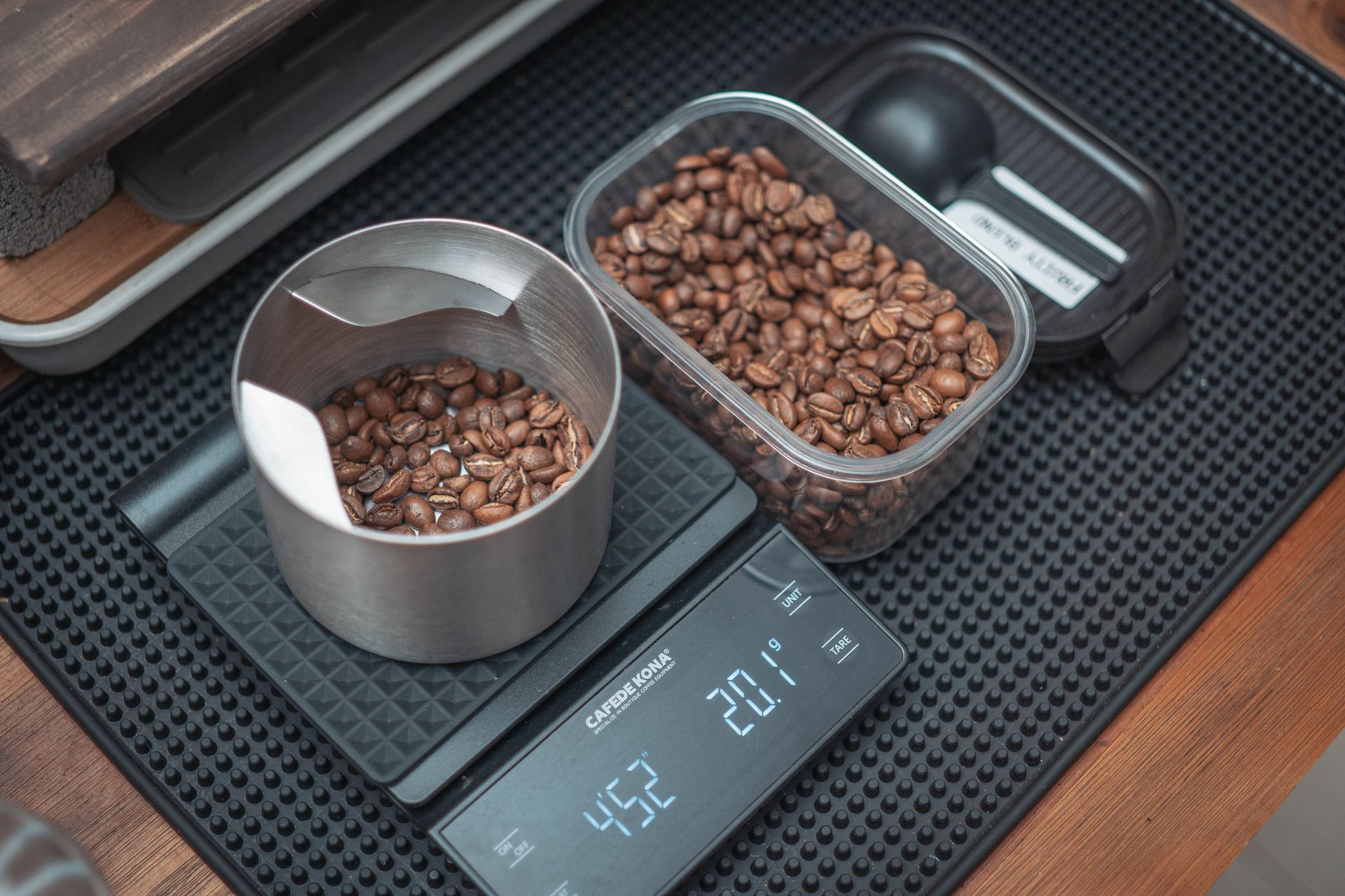
Factory-sealed booster boxes from a given set fall within a narrow weight range. Pokémon booster boxes – 36 packs – typically weigh between 780 and 820 grams depending on the set. MTG booster boxes, also 36 packs for standard sets, fall into similar ranges based on era and card stock. A box significantly underweight suggests packs were opened and the heavier (holo/foil) packs were replaced with lighter ones. Overweight can mean foreign material was added to compensate.
Individual pack weighing is common in the hobby – heavy packs in vintage sets are statistically more likely to contain holographic rares. Sellers who weigh and sell only light packs aren’t necessarily scamming, but a sealed box sold as “unsearched” that’s 20-30 grams under a known factory weight has been tampered with.
Check the Box Itself
Counterfeit booster boxes often get the packaging details wrong. On genuine Pokémon boxes, check for the trademark symbol after the set name, consistent print quality across all panels, and the correct UPC code for the set. The SNKRDUNK guide notes that some counterfeit boxes are missing the air holes near the top flap – a detail present on genuine packaging.
For MTG, Wizards of the Coast recommends check the set symbol and card frame match the era. A booster box claiming to be from Dominaria (2018) should use the modern card frame, not the pre-2003 classic frame. Set codes printed on the box should match the set code on the cards inside – resealers sometimes mix in bulk from different sets.
Look at the box art under magnification. Legitimate packaging is printed at commercial offset quality – smooth gradients, crisp text, no visible dot pattern at normal viewing distance. Counterfeit boxes often show inkjet or laser printer artifacts, fuzzy text, or color shifts when compared to verified photos of the product.
Seller Red Flags
The cheapest verification tool you have is the seller’s history. Zero-feedback accounts selling a single booster box below market price should raise every alarm. But established accounts reselling product from third-party marketplaces aren’t safe either – the “Amazon reseal” has become its own category of hobby horror story.
Buy from authorized retailers. For Pokémon, that means stores listed in the Play! Pokémon retailer database. For MTG, Wizards Play Network stores. If you’re buying on eBay, look for sellers with established feedback specifically in trading cards, photos of the actual item (not stock photos), and a return policy that doesn’t exclude claims of tampering.
If a deal is deep enough below market that you’re questioning whether it can be real, the answer is usually that it can’t.
Notes
[1] The Pokémon Company International, “Did I Purchase Fake or Counterfeit Cards?”, Pokémon Support Center, https://support.pokemon.com/hc/en-us/articles/360002068953
[2] TCGplayer, “How to Spot Fake Pokémon Cards”, https://www.tcgplayer.com/content/article/How-to-Spot-Fake-Pok%C3%A9mon-Cards/
[3] SNKRDUNK Magazine, “Is Your Pokémon Booster Box Real? Here’s How to Tell”, https://snkrdunk.com/en/magazine/2025/02/11/pokemon-booster-box-legit-check-avoid-fakes-with-these-tips/
[4] Wizards of the Coast, “check You Are Purchasing Legitimate Wizards of the Coast Products”, https://magic-support.wizards.com/hc/en-us/articles/360000210723
[5] The Card Collective, “How to Tell If a Magic: The Gathering Booster Box Is Resealed”, https://cardcollective.ai/2025/11/15/how-to-tell-if-a-magic-the-gathering-booster-box-is-resealed/
[6] IndoorGameBunker, “How to Tell If a MTG Booster Pack/Box Is Resealed”, https://indoorgamebunker.com/how-to-tell-if-a-mtg-booster-pack-box-is-resealed/