

Disclosure: This article may contain affiliate links. If you buy through them, GrandCollector may earn a commission at no extra cost to you.
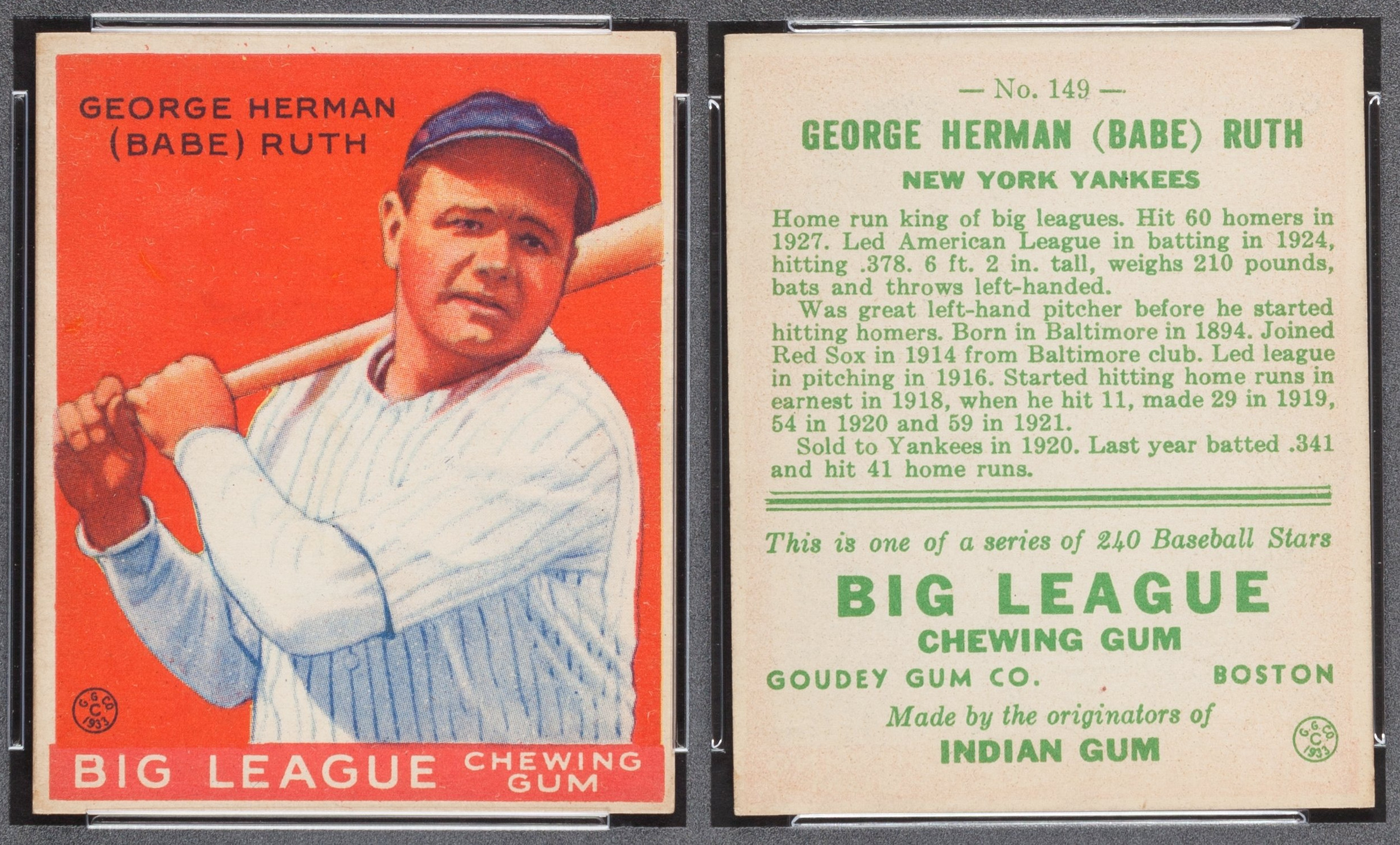
Sports card collecting is one of the oldest and most accessible hobby categories. Cards have been printed since the 1880s, originally tucked into cigarette packs as stiffeners and promotional giveaways. Today’s hobby spans vintage tobacco-era cards, mass-produced 1980s sets, and modern serial-numbered parallels with sophisticated printing technology. The barrier to entry is low. The potential for expensive mistakes is high.
This guide covers what matters when you’re starting out: how to think about value, what condition actually means, where beginners lose money, and how to approach buying without getting burned.
Why sports cards attract collectors
Whatever you pull, keeping cards protected starts with a trading card binder that holds sleeved cards flat.
The appeal combines fandom, nostalgia, and tangible ownership of a moment. A rookie card of a Hall of Fame player isn’t just cardboard: it represents a specific point in a career and in a fan’s memory.
There’s also a real marketplace. Unlike some collectibles where pricing is opaque, sports cards have visible sold prices on eBay, active auction houses, and recognized grading standards. You can look up what a card has actually sold for, not just what someone is asking. But price visibility also creates the biggest trap for beginners: the assumption that everything old is valuable and that childhood cards are sitting on hidden fortunes.
What beginners usually get wrong
The single biggest mistake is overestimating condition. Cards pulled from packs decades ago and stored in binders have been exposed to humidity, light, and handling that grading companies catch instantly. A card that looks pristine to an untrained eye typically has corner wear, surface scratches, or centering issues visible under magnification. What beginners call “mint” may grade far lower than expected.
Chasing hype is the second trap. A player has a breakout season, prices spike, and new collectors rush in at the peak. When the frenzy settles, those same cards are often worth far less. Patience and research reliably outperform FOMO-based buying.
Beginners also confuse age with value. Cards from the 1980s and early 1990s were printed in enormous quantities. A 1987 Topps set might contain Hall of Fame rookies, but production runs were so massive that supply still outstrips demand for all but the highest graded examples. Age alone doesn’t create scarcity.

How to judge value
Value comes down to the player, the specific card issue, and condition. A rookie card of an all-time great in good condition carries genuine demand. A common card of a journeyman in the same set does not, no matter how old it is.
Modern cards add serial-numbered parallels, limited print runs, and short prints that create intentional scarcity. A base rookie and a numbered parallel of the same player can have dramatically different market values, not because the card is fundamentally different, but because the print run was deliberately restricted [1].
The practical approach: search completed eBay listings filtered to “sold” for the same card in similar condition. That shows what buyers actually paid, not what sellers are asking. Asking prices are noise. Sold prices are data. For vintage cards, condition scales value steeply, and the gap between grades widens considerably at the upper end.
Authentication and condition checks
Third-party grading is the hobby standard for authentication and condition assessment. Services like PSA and BGS examine cards under magnification against established criteria: corners, edges, surface, and centering. A slabbed card in a graded holder confirms authenticity and provides a professionally assessed condition grade [2].
For beginners, grading serves two purposes. It confirms the card is genuine, counterfeits, reprints, and altered cards exist and can fool inexperienced eyes. It also gives buyers and sellers a common language. An ungraded card described as “mint” by a seller is a claim. The same card in a PSA 9 holder is verifiable.
Grading costs money per card, and not every card is worth submitting. Reserve grading for cards that would meaningfully increase in value if authenticated at a high grade, typically key rookie cards, vintage stars, or low-numbered modern parallels.
Buying tips
Buy the card, not the grade on the label. Two cards in the same numerical holder are not automatically equal. Eye appeal matters, centering within the allowable range for a grade can still look noticeably off, and surface issues affect how the card presents. Look at actual photos, not just the slab number.
When buying raw ungraded cards, assume condition is worse than photos suggest. Lighting hides corner wear. Flatbed scans mask surface scratches. A seller who photographs all four corners under strong light from multiple angles is a better signal than a single front-facing scan.
Breaking open sealed boxes is entertainment with a card-collecting wrapper. The expected value of the contents is almost always lower than the sealed price. Opening packs is genuinely fun, just don’t confuse it with investing.
Selling or holding considerations
Most cards decline in real value over time. The ones that appreciate tend to be rookie cards of players who sustain Hall of Fame careers, or exceptionally rare parallels where demand outpaces supply.
Track sold prices over time, not just headlines. A card that sold high once during a playoff run may return to far lower levels a year later. The best time to sell is often when demand peaks, which is also when everyone else is selling.
For long-term holding, storage matters. Cards in penny sleeves inside top loaders, kept cool and dry, will hold up. Cards stored in shoeboxes in a humid basement won’t. Condition loss during storage is real and irreversible.
Common red flags
Any seller describing an ungraded card as “PSA 10 potential” or “easy gem mint” is waving a red flag. If it were that good, they’d have submitted it themselves. These phrases almost always mean the seller knows the card has issues.
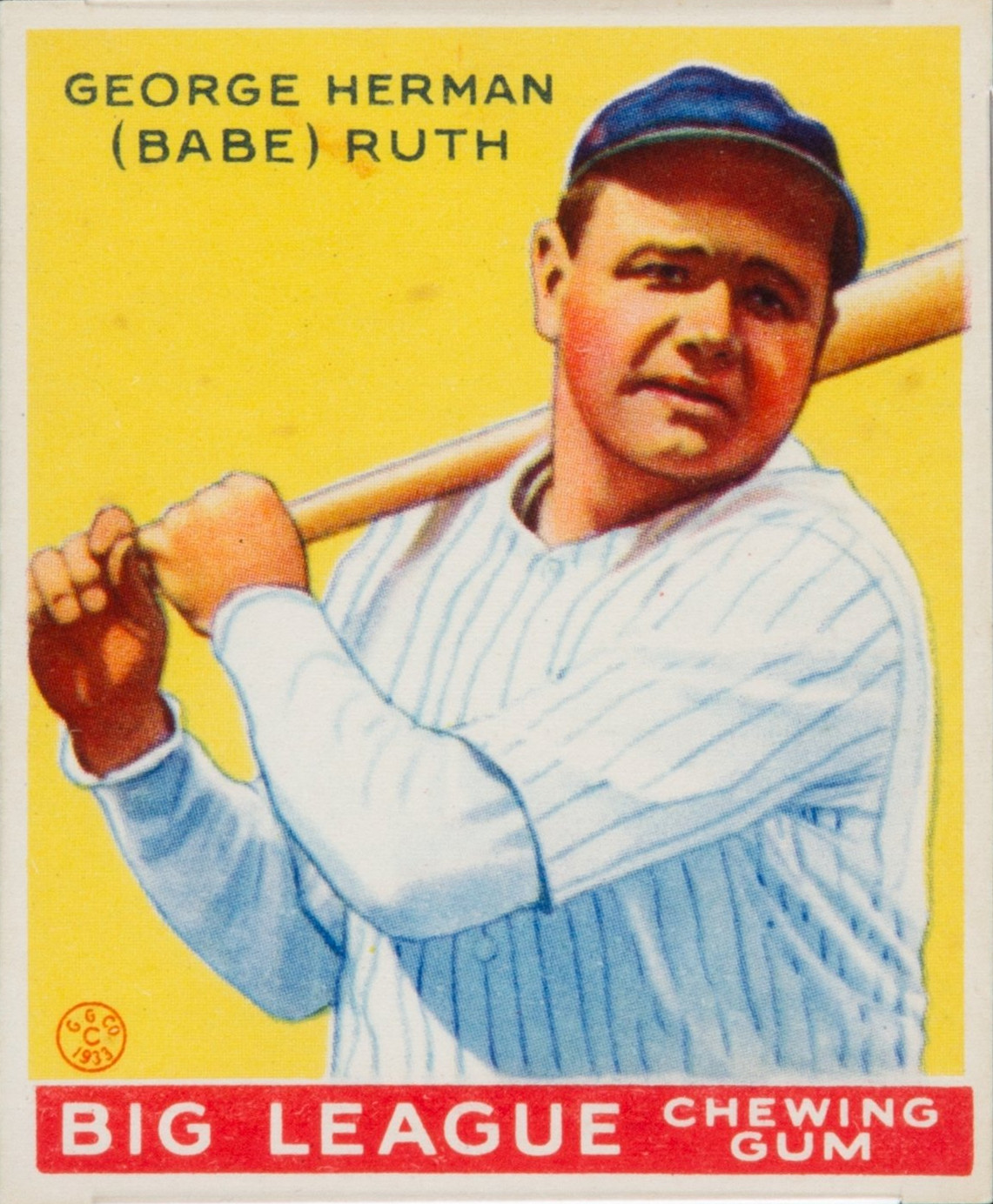
Reprints and counterfeits are persistent problems. A 1952 Topps Mickey Mantle reprint from a later commemorative set looks similar to the original but carries none of the value. Some listings bury “reprint” deep in the description. Read everything before bidding.
Cards altered by trimming, recoloring, or pressing to improve apparent grade are another risk. Graded cards from reputable companies largely neutralize this, which is one reason the slab premium exists for significant cards.
Final practical advice
Start narrow. Pick one sport, one era, or one type of card and learn that market before expanding. A collector who understands a specific niche makes better buying decisions than someone who dabbles in everything.
Handle cards carefully from day one. Wash and dry hands before touching cards, use penny sleeves and top loaders immediately, and avoid direct sunlight exposure. Small habits compound, a collection handled properly from the start holds its condition and value far better than one that wasn’t [3].
Buy what you actually like. The collectors who stay in the hobby longest aren’t the ones chasing the next flip. They’re the ones who enjoy owning the cards. If your collection is all speculation and no genuine interest, the first market downturn will push you out.
Spend time looking at cards before spending money on cards. Follow auctions, watch what sells and what doesn’t, read hobby forums, and study thousands of listing photos. Condition recognition is a learned skill. The more you look, the better your eye gets, and the fewer expensive mistakes you’ll make.
Notes
For surface checks before grading or selling, a rechargeable 10x loupe makes small print flaws visible.
[1] Serial-numbered cards have the print run count stamped directly on the card, for example, numbered to 99 or numbered to 25 copies, creating verifiable scarcity that base cards in the same set do not have.
[2] PSA (Professional Sports Authenticator) and BGS (Beckett Grading Services) are the two most widely recognized third-party grading companies for sports cards, each using a 1–10 scale with half-point increments available.
[3] Standard storage materials like polypropylene penny sleeves and rigid top loaders are widely available from hobby shops and online retailers. Avoid PVC-based products, which can chemically damage cards over long periods.
🛒 RECOMMENDED FOR SPORTS CARD COLLECTORS
- 3-Pack Stackable Acrylic Display Case — Dustproof UV-resistant display case (14.5″ x 10.6″ x 8.6″) for graded card slabs, sealed wax boxes, and collectible displays. ~$45
- Jewelers Loupe 10X with LED and UV Light — Essential for inspecting card corners, edges, surface, and centering before grading submissions. ~$25
- White Cotton Handling Gloves (12 Pairs) — Protect cards from fingerprints, oils, and handling damage during inspection and organizing. ~$12
Disclosure: This article contains affiliate links. GrandCollector may earn a commission at no extra cost to you.
Fact-checked and refreshed on 2026-07-28. This beginner guide remains current as of this date.