

Disclosure: This article may contain affiliate links. If you buy through them, GrandCollector may earn a commission at no extra cost to you.
Trading Card Storage Mistakes That Destroy Value — and How to Avoid Them
You pull a $300 Charizard from a booster pack (see our Pokémon Card Collecting Guide for more on what makes specific cards valuable). You slide it into a binder, close the cover, and walk away proud. Six months later, the card has a subtle warp and the surface has picked up micro-scratches from the binder page. That $300 card? Now worth maybe $150 — if you can find a buyer who doesn’t squint at the corners.
Card storage is the least glamorous part of collecting. But it’s also the part that silently destroys more value than any other single factor. A card stored badly for a year can lose half its grade potential. A card stored well for twenty years can look like it was pulled yesterday.
Here are the mistakes most collectors make — and exactly what to do instead.
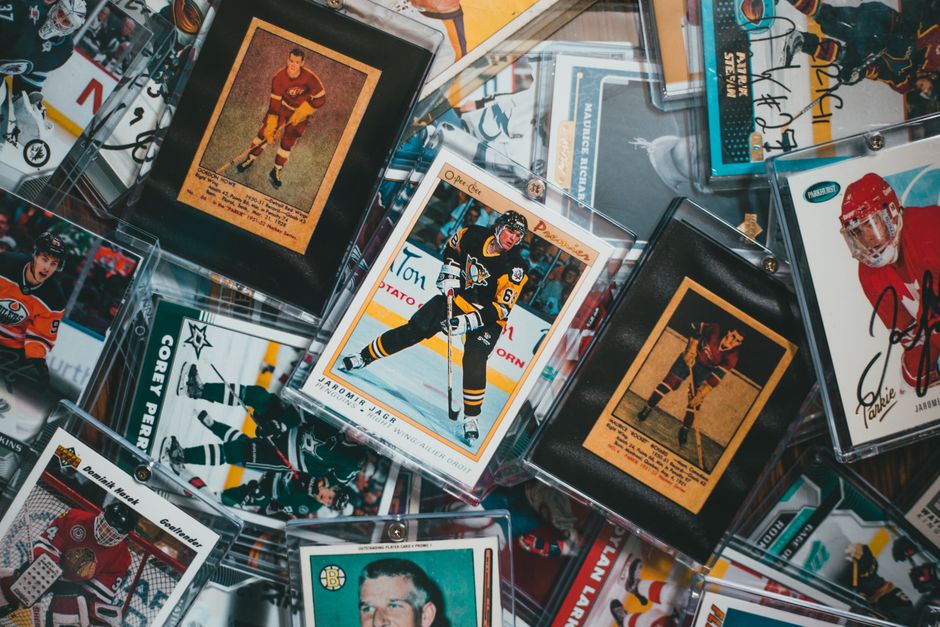
The Binder Problem Nobody Talks About
Ring binders — the classic three-ring kind with plastic pages — are a slow-motion disaster for valuable cards. The rings press against the cards closest to the spine, creating indentations known as ring dings. Even D-ring binders, which are supposed to solve this, still allow pages to shift and catch on the mechanism.
If you must use a binder, use a sideloading binder with stitched-in pages and no rings at all. Vault X, TopDeck, and Dex Protection all make models designed to let cards sit flat without pressure points. For anything worth more than $20, a binder shouldn’t be its permanent home.
Penny Sleeves Are Not Enough
A soft plastic penny sleeve protects a card from surface scratches but offers zero structural support. Cards in penny sleeves alone bend, warp with humidity changes, and pick up corner damage from even gentle handling.
The minimum standard for any card worth keeping is a penny sleeve inside a rigid toploader. The sleeve prevents the toploader plastic from scratching the card surface. The toploader prevents bending. Together they cost about fifteen cents. Skipping this combination for a $50+ card is a mistake that costs orders of magnitude more than the supplies.
Temperature and Humidity: The Invisible Enemy
Card stock is paper. Paper absorbs moisture from the air and releases it when conditions dry out. This constant expansion and contraction produces warping — the bow or curl that grading companies like PSA and BGS penalize heavily (if you’re new to card collecting, start with our Trading Card Collecting Guide for Beginners).
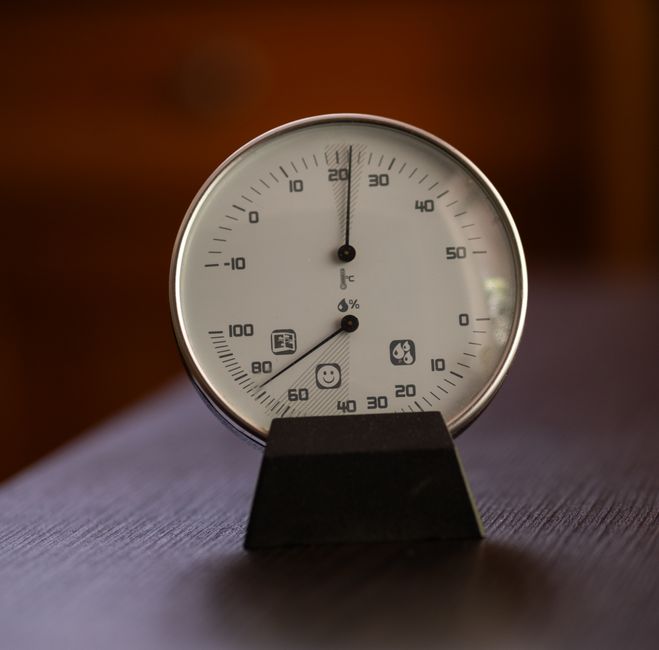
The target: 65-70°F (18-21°C) and 45-55% relative humidity. Attics, basements, garages, and even a closet on an exterior wall all fail this standard during summer or winter extremes. A simple digital hygrometer costs $10 and tells you immediately whether your storage location is safe.
Silica gel packets inside sealed storage boxes help, but they need replacement every few months. A dehumidifier in the room is more effective long-term and protects your entire collection at once.
PVC Plastic and Chemical Damage
Some cheap binder pages and card sleeves are made from PVC plastic, which contains plasticizers that break down over time and release a sticky, acidic residue. This residue bonds to card surfaces and is effectively impossible to remove without professional conservation.
Only use products labeled archival-safe, acid-free, or PVC-free. Ultra Pro, BCW, and Dragon Shield are the reliable brands. If a sleeve or page has a strong chemical smell when new, throw it out — that’s the plasticizer off-gassing, and it will eventually end up on your cards.
Stacking and Pressure Damage
Cards in toploaders stacked horizontally under weight will flatten and sometimes fuse together. The toploader edges press into the card below them, creating permanent lines across the surface.
Store toploaded cards vertically in a card storage box — the white cardboard boxes sold by BCW are the standard for a reason. The cards stand on edge like files in a drawer, distributing weight evenly and keeping pressure off the faces. Fill empty space in the box with foam blocks or extra toploaders to prevent cards from leaning and developing a permanent curve.
Forgetting to Check on Stored Cards
A collection box sealed for five years in a closet that seemed fine might not be fine anymore. Humidity can spike during unusually wet seasons. A pest can find its way in. A leak can form in a ceiling you never check.
Open your storage boxes at least twice a year. Check the silica gel. Check for musty smells or any sign of moisture on the cardboard box itself. Replace anything that doesn’t look right. Five minutes of inspection can prevent five years of accumulated damage.
Going Straight from Pack to Grading Submission
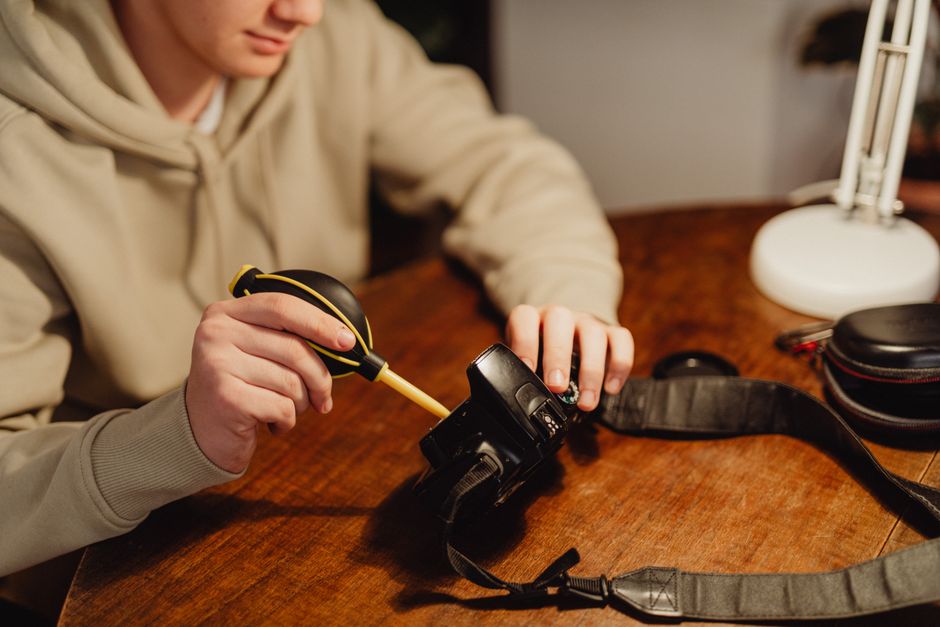
Before submitting, a rechargeable 10x loupe reveals surface dust or scratches that grading would penalize.
Many collectors now open a valuable card and immediately seal it in a card saver for grading. This is correct — but only if the surface is clean. Pack-fresh cards can have invisible oils from the manufacturing process, small specks of dust, or even residual material from the foil pack itself.
Wipe the card gently with a microfiber cloth before sleeving if you plan to grade it. Never use liquid cleaners or water on a trading card unless you are a trained conservator. Even a tiny amount of moisture can warp card stock and permanently damage the surface gloss.
What It Actually Costs to Store Cards Properly
For a $500 collection: penny sleeves ($3 per 100), toploaders ($10 per 25), a storage box ($5), and a hygrometer ($10). About $30 total — less than the value lost on a single card stored poorly.
For a $5,000 collection: add a dehumidifier ($50-100) and a fireproof safe rated for documents ($100-200). Still under 5% of the collection’s value for near-complete protection against humidity, bending, and basic disaster scenarios.
Final Practical Advice
The single most expensive storage mistake is thinking that because nothing bad has happened yet, nothing bad will happen. Cardboard doesn’t decay dramatically — it warps slowly, yellows gradually, and picks up damage incrementally. By the time you notice, the card has already lost value that can never be recovered.
Spend an hour this weekend checking your storage setup. Sleeve the loose cards. Move the binders away from direct sunlight. Check the humidity in the room you’re using. The supplies cost very little. The value you preserve is measured in years — and in hobbies, years are everything.
Notes
[1] PSA grading standards penalize warping, surface scratches, and corner wear — damage that typically results from storage conditions rather than pack condition.
[2] PVC plastic degradation and plasticizer migration are documented conservation concerns for paper and photograph collections. Archival standards recommend polyester (Mylar), polypropylene, or polyethylene for long-term storage.
[3] Recommended temperature and humidity ranges follow standard museum conservation guidelines for paper-based materials, adapted for residential collector environments.
🛒 RECOMMENDED CARD STORAGE SUPPLIES
- 2-Pack Hard Acrylic Funko Pop Protector Display Case — Premium hard acrylic display cases ideal for protecting valued trading card boxes and sealed product. ~$25
- 3-Pack Stackable Acrylic Display Case — Dustproof clear display case (14.5″ x 10.6″ x 8.6″), perfect for storing graded card slabs, sealed booster boxes, and binders. Stackable and UV-resistant. ~$45
- Jewelers Loupe 10X with LED and UV Light — Inspect card surfaces, print quality, and centering before grading or purchasing. ~$25
Disclosure: This article contains affiliate links. GrandCollector may earn a commission at no extra cost to you.
🛒 RECOMMENDED CARD STORAGE SUPPLIES
trading card binder — Use a sleeve-and-binder system for cards that need protection from surface wear and bending.
Disclosure: This article contains affiliate links. GrandCollector may earn a commission at no extra cost to you.