

You have seen the plastic slabs. PSA 10, BGS 9.5, CGC Pristine. The labels look authoritative and every eBay listing with a graded card carries quiet confidence. But if you are new to grading, the landscape is confusing. Three major companies, different scales, different pricing, and a collector community that argues passionately about which grader to use for which card.
This guide explains what each company does, how their scales work, and when the choice matters.
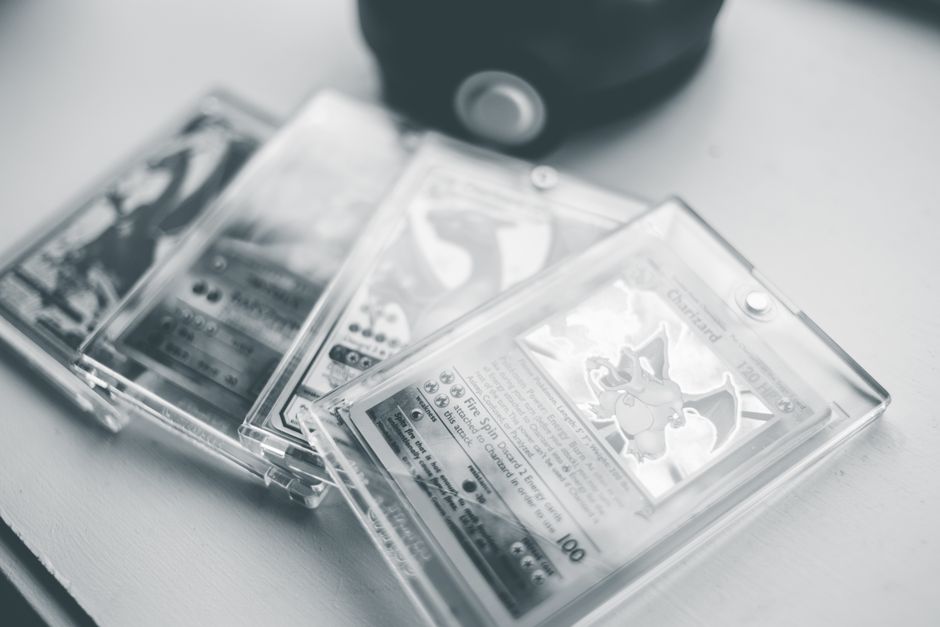
What Each Grading Company Actually Is
All three evaluate condition and authenticity, encase the card in a tamper-evident holder, and assign a numerical grade. But their origins and specialties differ.
PSA (Professional Sports Authenticator) started in 1991 and dominates sports cards. Their 1-10 scale is the industry standard. A PSA 10 is gem mint. They grade Pokémon and Magic too, but their strongest position is sports.
BGS (Beckett Grading Services) brought sub-grades to the market. Every label shows centering, corners, edges, and surface scores plus an overall grade. In many markets, a gem mint BGS card is treated similarly to a gem mint from PSA, though exact equivalencies depend on the card and the buyer. The BGS Black Label, a perfect score across all four sub-grades, is genuinely rare [1].
CGC (Certified Guaranty Company) started in comic book grading in 2000 (see our comic book collecting guide). Their trading card division is newer but backed by established infrastructure. CGC uses a 1-10 scale with “Pristine 10” above standard Gem Mint 10. They are a popular choice for Pokémon and TCG collectors, often at more competitive pricing [2].
Related: If you’re considering grading Pokémon cards specifically, start with our Pokémon card collecting guide for beginners before deciding on a grader.
How the Scales Compare
CGC’s Pristine 10 is their top tier, many collectors view it as equivalent to a gem mint grade from the other services. The market is still settling on exact equivalencies.
The BGS Black Label sits alone. Cards with a perfect four-sub-grade score can sell for a strong multiple over the same card in a standard gem mint holder because the population is so small [1].
When the Grader Choice Matters
Vintage sports cards: PSA is the default. The PSA Set Registry creates self-reinforcing demand, collectors building graded sets want matching slabs.
Modern sports rookies: BGS sub-grades give buyers more information. Two cards at the same overall grade can differ significantly in corners or surface. A BGS gem mint with strong subs can be more appealing than a PSA gem mint that hides the details behind a single number.
Pokémon and TCG: The market has shifted. CGC has gained significant traction, especially for modern Pokémon with good centering and clean edges. Often cheaper and faster than PSA.
Borderline condition cards: The value difference between graders narrows at lower grades. A mid-grade card from one service tends to sell in similar territory to the equivalent from another. The premium for one grader over another concentrates at the top of the scale.
Costs and the Economics Nobody Talks About
Grading costs real money. Bulk grading at the slowest tier runs roughly $15-25 per card. Express service can exceed $100. Add shipping and insurance.
If a raw card sells for $20 and grading costs $25 plus shipping, the graded version must sell for significantly more just to break even. Many beginners grade cards that would have been better sold raw.
Rule of thumb: if a card’s raw value is under roughly $50, check sold listings for graded copies first. If a gem mint copy sells for only $10 more than raw, grading may not justify the cost.
Related: For a deeper look at when grading makes financial sense, see our sports card collecting guide’s section on authentication and grading.

What Beginners Get Wrong
The biggest mistake: assuming every card deserves grading. Most do not.
Second: expecting a 10. Centering, corners, edges, and surface are judged under magnification. Cards pulled straight from a pack are not automatically gem mint. Print lines and factory scratches are common.
Third: overvaluing the slab. A graded 7 or 8 is still a mid-grade card. The plastic case does not change that.
Fourth: ignoring the population report. PSA, BGS, and CGC publish how many of each card they have graded at each level. A gem mint grade with a population of 10,000 is not rare [3]. The pop count tells you more about scarcity than the grade alone.
Pre-Screening Before You Send
You do not need professional equipment. A bright lamp, a loupe, and a clean surface are enough.
Check centering first. Even slight imbalance can drop a card from 10 territory. Inspect corners under magnification for whitening or rounding. Examine edges and surface at an angle under light to spot print lines or scratches invisible head-on. Holographic and foil surfaces are especially vulnerable.
If the card stock feels wrong or the price was too good to be true, hold off. Grading companies charge fees regardless of whether a card is real.
Related: Before sending cards for grading, make sure they’re stored properly first — read our guide on trading card storage mistakes that destroy value.
Buying Graded Cards: Look Past the Number
Check the certification number on the grader’s website. Every slab has a unique ID, confirm the card matches the database. Counterfeit slabs exist, and a cert lookup catches most of them. Learn how to spot fake collectibles before you buy — including verification tips that apply to graded cards.
Look at the card inside. A near-mint card with strong eye appeal can be a better buy than a gem mint copy with a visible print line. You will be the one looking at it.
Check the slab for cracks, scuffs, or tampering signs. Graded cases are designed to show evidence of opening, if the plastic looks compromised, walk away.
Selling or Holding: Timing Your Grading Decision
Grading locks a card into a condition assessment. That helps for long-term holding, a slabbed card requires less condition debate at sale time.
For near-term selling, grade only when the math works. Factor in fees, shipping, and the weeks your card spends at the grader. Some sellers rush to grade during price spikes and get cards back after the market cools.
Grading standards evolve. A card graded in 2005 might not receive the same assessment if cracked out and resubmitted today. Grading is a professional opinion from a specific point in time, not a permanent fact.
Red Flags Worth Knowing
- “Would grade PSA 10” in a raw listing. If the seller was confident, they would have graded it.
- Cheap slabs from unfamiliar graders. Stick with PSA, BGS, or CGC unless you have a specific researched reason.
- Damaged slabs at full price. Cracks or scuffs should reduce the price.
- High-grade modern cards with populations over 10,000. The premium is about trust in the grade, not rarity.
- Grading fees exceeding raw card value. Do the math before submitting.
Final Practical Advice
Grading is a tool, not a requirement. The hobby worked for decades before third-party grading, and plenty of collectors enjoy raw cards without ever sending anything to PSA.
If you grade: sports cards for maximum resale, use PSA. Modern cards where sub-grade transparency matters, use BGS. Pokémon or TCG where competitive pricing counts, CGC is a strong choice.
Pre-screen honestly. Check pop reports. Do not assume a pack-fresh card is a guaranteed 10. And never spend more on grading than the value it adds.
Related: New to card collecting? Start with our trading card collecting guide for beginners before diving into grading decisions.
Notes
[1] BGS sub-grades and the Black Label designation are documented in Beckett’s publicly available grading standards.
[2] CGC’s history and entry into trading card grading is on their official website.
[3] Population reports are publicly accessible on PSA, BGS, and CGC websites.
🛒 RECOMMENDED FOR CARD GRADING
- 1600X USB Digital Microscope with Adjustable Metal Stand — Inspect card surfaces, corners, edges, and print quality at high magnification before submitting for grading. Connects to phone or laptop for detailed pre-screening. ~$60
- Rechargeable 10X LED/UV Jewelers Loupe — The pre-screening tool mentioned throughout this guide. Inspect corners, edges, and surfaces at 10x magnification before submitting. USB-rechargeable with both LED and UV light for spotting alterations and print defects. ~$25
Disclosure: This article contains affiliate links. GrandCollector may earn a commission at no extra cost to you.