

Disclosure: This article may contain affiliate links. If you buy through them, GrandCollector may earn a commission at no extra cost to you.
- Why Most Duplicate Stacks Stay Disorganized
- Sort by Destination, Not by Set
- Swap Organization That Actually Gets Cards Traded
- Pricing Duplicates for Swaps Without Spending Hours
- Long-Term Storage That Does Not Ruin Cards
- When to Move Cards Between Categories
- Common Mistakes That Undo Good Organization
- Final Practical Advice
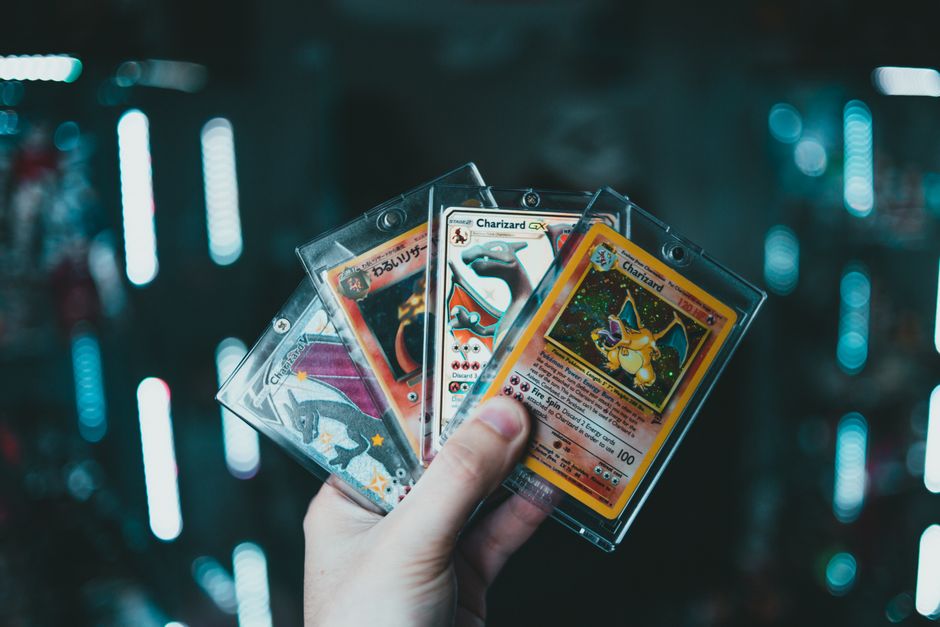
Every collector hits the same wall eventually: the duplicate stack. You open packs, buy lots, and before you know it, a shoebox of extras is taking over your desk. The cards are not worthless, but they are not in your binder either. Organizing them properly turns a headache into a selling, swapping, or storage system that actually works.
Key takeaways
- Why Most Duplicate Stacks Stay Disorganized
- Sort by Destination, Not by Set
- Swap Organization That Actually Gets Cards Traded
Why Most Duplicate Stacks Stay Disorganized
The problem is not volume. It is that most collectors treat duplicates as a single pile. A stack of 200 cards feels unmanageable, but three smaller stacks sorted by destination feel like a plan. Once you separate cards by what you intend to do with them, the pile shrinks into a system you can work through in an afternoon.
Sort by Destination, Not by Set
The first pass through your duplicates should ask one question: where is this card going? Create three physical piles before you touch sleeves, toploaders, or binders:
- Swap pile. Cards worth trading at your local game store, card show, or online group. These are playable cards, mid-tier hits, or set fillers another collector would want.
- Sale pile. Cards with enough individual value to justify listing. If a card sells for less than the cost of a stamp and a top loader, it belongs in the bulk or swap pile instead.
- Storage pile. Cards you are keeping for long-term holds: rookies, sealed promos, or copies of cards you believe will rise. These need protection and a system you can check once or twice a year.
Do not sort by set, number, or rarity first. That comes after you decide the destination, because a common from a recent set might belong in swaps while the same common from a 1999 set belongs in storage.
Swap Organization That Actually Gets Cards Traded
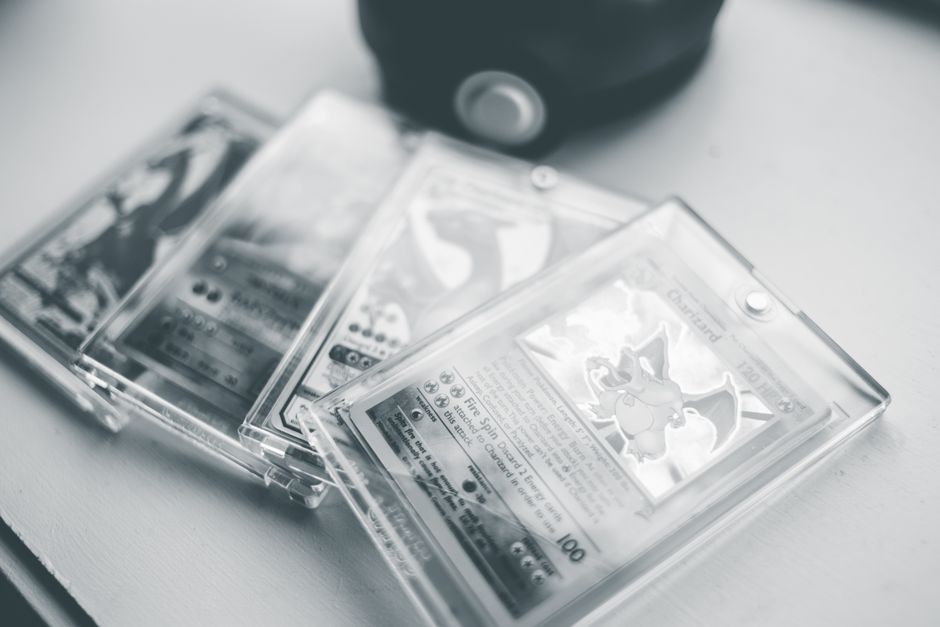
A swap pile that nobody looks through is just another storage box. Make your trade cards easy to browse:
- Use clear pages or penny sleeves in a dedicated trade binder. Group by set, then by card number. Someone flipping through looking for set fillers should not have to hunt.
- Label the binder or box clearly. Write the set name and the range of card numbers on the spine or lid. “Pokemon Scarlet & Violet #001\u2013#100” is more useful than “Pokemon Stuff.”
- Keep a short want list tucked inside. A sticky note with five cards you are chasing makes any trade conversation faster. The other person can scan it and immediately know if they have a match.
Pricing Duplicates for Swaps Without Spending Hours
Most duplicates are not worth selling individually. A realistic rule of thumb: if a card sells for under two dollars shipped, it is a swap card, not a sale card. Bundle lower-value duplicates by set or player and list them as lots. Five cards at a dollar each plus one shipping charge sells faster than five single listings.
For cards that do justify individual listings, use sold-item searches on major platforms to set a fair price. Do not price from active listings, which are often wishful thinking. Sort by “sold” and look at the last five to ten completed sales for a price band, not a single data point. The same pricing discipline applies across collecting categories: our guide to selling inherited coin collections covers valuation strategies that work for any collectible.
Long-Term Storage That Does Not Ruin Cards
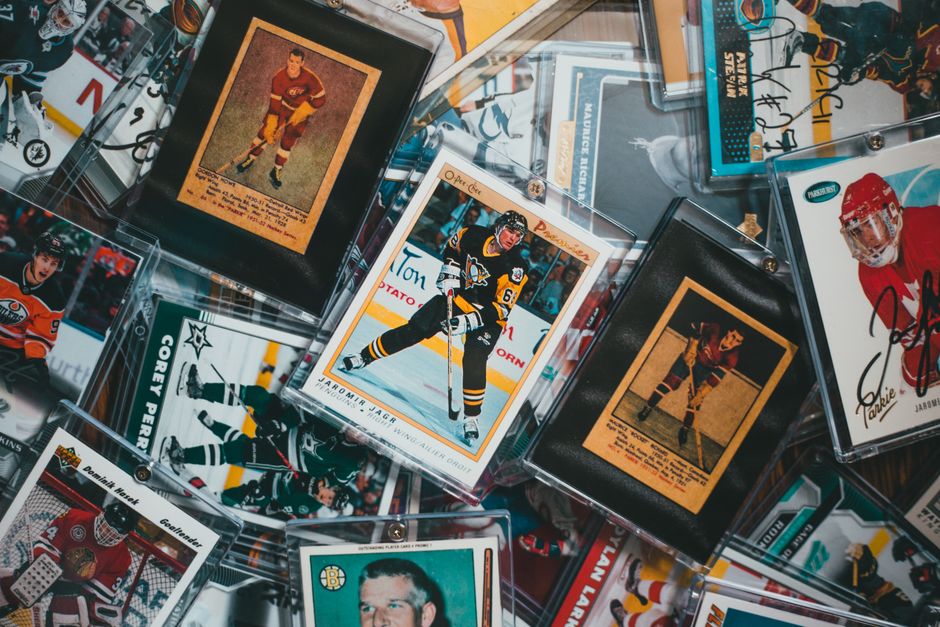
Cards you plan to hold for years need better than a cardboard row box. Three rules cover most situations:
- Climate control first. Heat and humidity warp cards faster than handling does. Keep storage boxes off the floor, away from windows, and ideally in a room that stays between 65 and 72 degrees Fahrenheit with humidity below 60 percent.
- Right-size the protection. A penny sleeve inside a rigid toploader is enough for most cards. Magnetic one-touch cases are overkill for bulk holds. Reserve graded-card slabs for cards already graded.
- Label everything with a date. Write the month and year on the box or divider. When you check back in a year, you know what has been sitting and what is new. This also helps with insurance documentation if you track collection value over time.
For really long holds, avoid ring binders. The rings can dent cards over time, especially if the binder is packed tight or stored upright. Use D-ring binders with flat pages if you must use a binder, or switch to boxes entirely.
When to Move Cards Between Categories
A card in the storage pile today might belong in the sale pile next month. Set a calendar reminder to review your duplicates every three to four months. Check sold prices on any card you marked for long-term storage. If a player had a breakout season or a set rotated out of a popular format, prices shift. Cards that sat unnoticed can become worth listing.
The reverse happens too. A sale-pile card that does not move after two listing cycles probably needs a price drop or a move to the swap binder. Do not let stale listings clutter your system. A card priced correctly sells. A card priced stubbornly takes up space.
Common Mistakes That Undo Good Organization
Watch for these three traps that turn a working system back into a pile:
- Leaving cards in team bags with no label. A team bag full of cards with a sticky note that fell off is mystery inventory. Always put a label inside the bag or box where it stays put.
- Mixing conditions without noting them. A swap pile is not a grading service, but a card with a creased corner should not sit next to a near-mint copy without some marker. Use a small colored dot sticker on the penny sleeve for quick condition flags.
- Keeping too many low-value storage cards. If you are holding twenty copies of a common rookie “just in case,” ask yourself whether the space is worth more than the upside. Most commons do not spike. Keep one or two clean copies and move the rest into the swap pile.
Final Practical Advice
The system that lasts is the one you actually use. Start with the three-pile sort today. Then pick one category to finish: the swap binder, the sale listings, or the storage box. Do not try to complete all three in one sitting. A system built in stages stays organized longer than a marathon session that leaves everything half-done.
Take the first step: pour out the duplicate stack, grab three empty boxes, and sort by destination. Nothing else matters until that first sort is finished.
Related GrandCollector guides: For understanding how condition affects card value, see our guide to collectible grading for beginners. For spotting authentic cards and avoiding counterfeits, read our PSA vs BGS vs CGC comparison.
Notes
[1] General storage and climate recommendations follow standards published by major grading companies for long-term card preservation.
[2] Sold-item pricing approach reflects standard practice on major online marketplaces for collectible card valuation.
[3] Binder storage risks documented across multiple collecting forums and grading-company care guides; D-ring binders are the preferred alternative when binders are used.
🛒 RECOMMENDED CARD STORAGE
trading card binder — A practical way to separate trade, sorting, and long-term storage cards while keeping the pages easy to browse.
Disclosure: This article contains affiliate links. GrandCollector may earn a commission at no extra cost to you.