

With a mixed group of circulating coins, the first job is not cleaning them or guessing what might be valuable. Build a clear inventory instead. Sort the coins, inspect both sides, record condition separately, and then choose the strongest examples for your set.

Key takeaways
- Why inspection matters before you choose
- Sort the collection before judging it
- Inspect both sides under good light
Why inspection matters before you choose
A beginner set is easier to manage when every coin has a place and a reason for being there. Inspection shows you duplicates, missing dates, damaged examples, and coins that deserve a closer look. It also prevents a common mistake: putting the first readable coin into a holder before comparing it with the rest.
If you are new to the hobby, the GrandCollector coin collecting guide for beginners is a useful starting point for choosing a collecting focus.
Sort the collection before judging it
Start with broad groups. Sort by denomination, then by date. Keep visibly different designs or date ranges apart instead of forcing them into one sequence. Your basic inventory can include the denomination, date, mint mark if present, and a short condition note.
Keep this first pass simple. You are making a map of the collection, not reaching a final judgment about every coin. Duplicates are useful because they give you something to compare.
Inspect both sides under good light
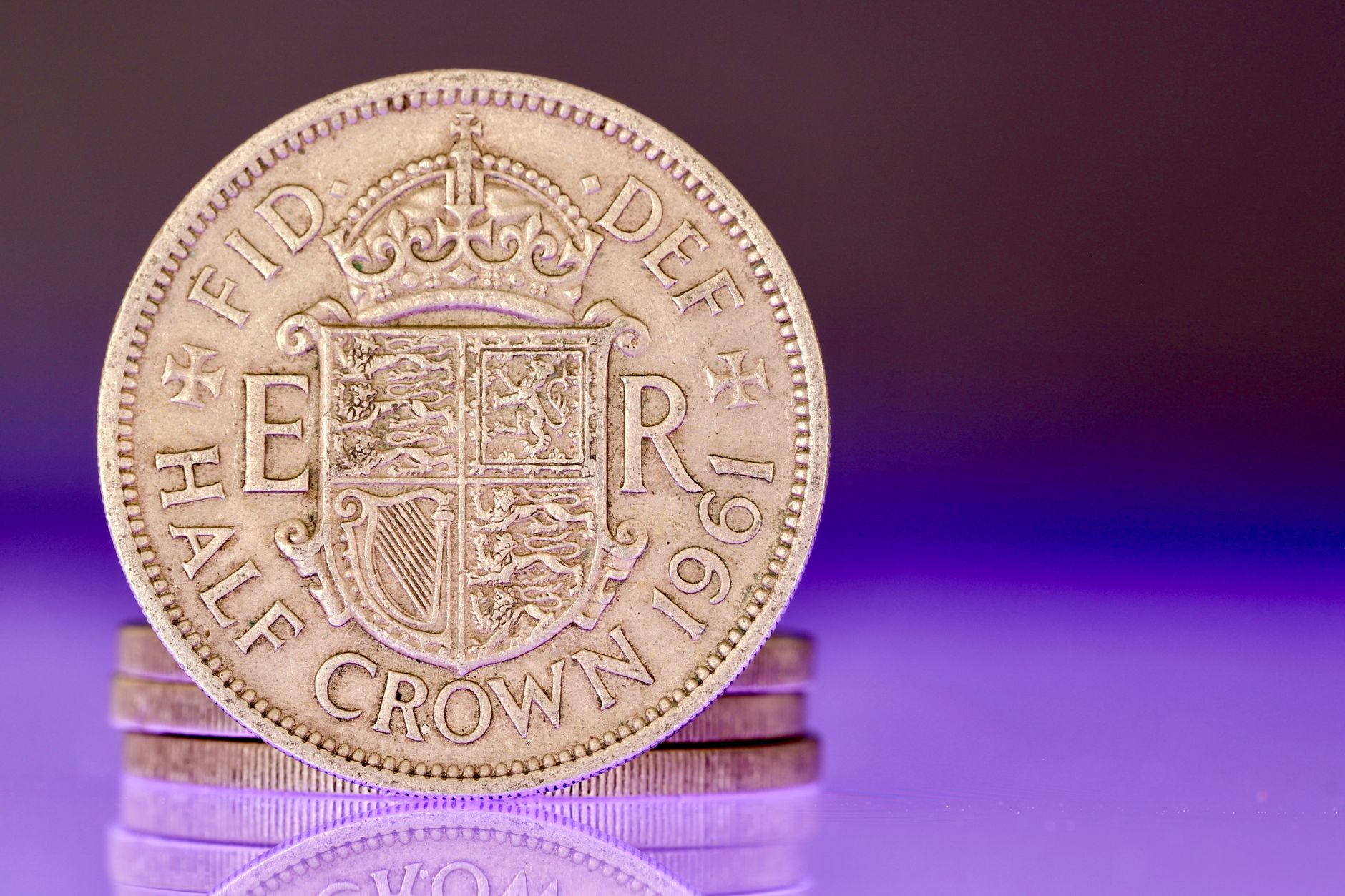
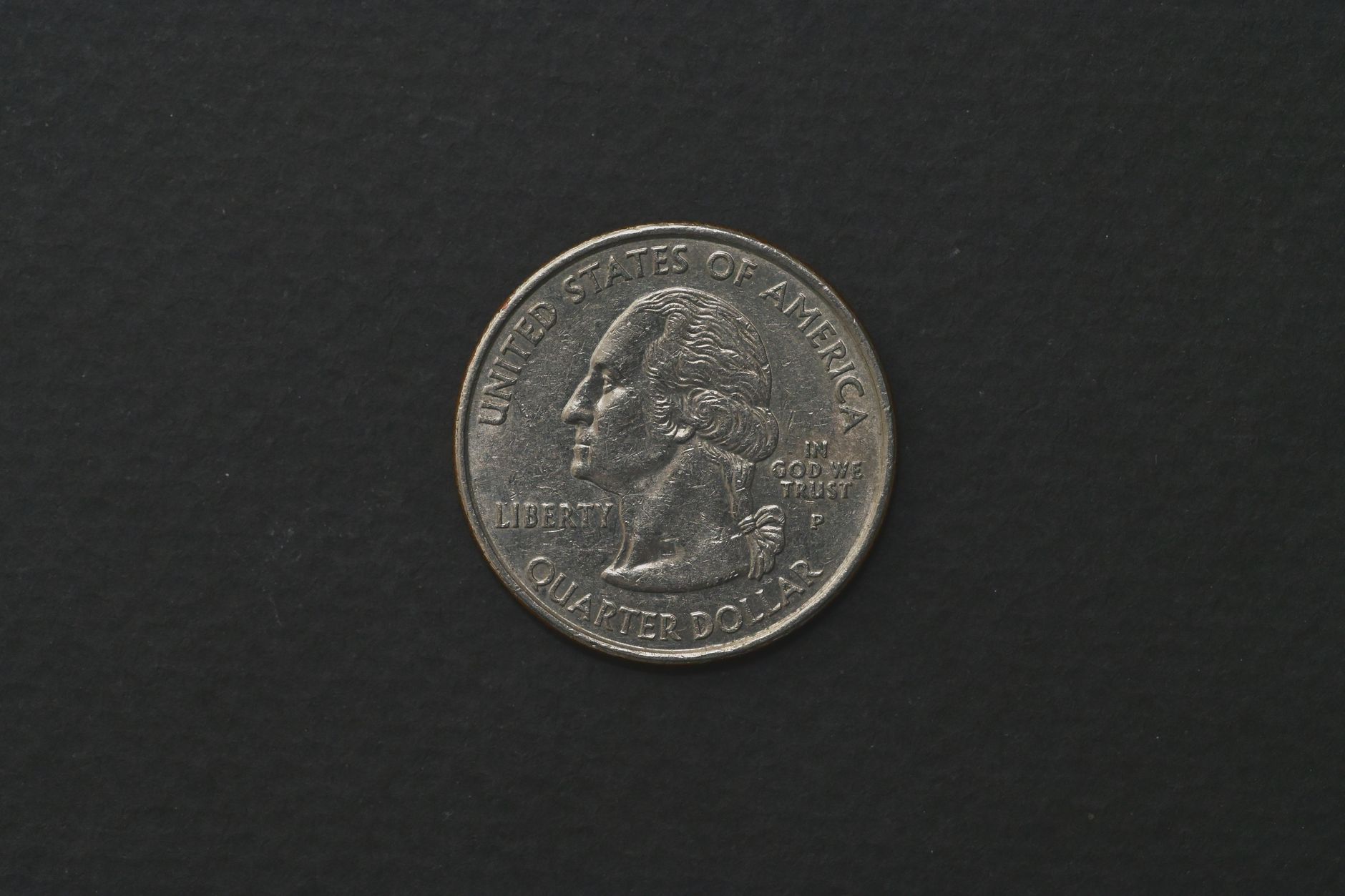
Use bright, diffuse light instead of harsh glare. Read the date, inscriptions, design details, and any mint mark on the obverse and reverse. A magnifier can help with a small mark or partly worn date, but start with good lighting and your unaided eyes.
Hold the coin by its edge. Touching the main surfaces transfers oils and dirt, making close inspection less useful and leaving avoidable marks. Turn the coin slowly rather than rubbing it to bring out a detail.
Record condition separately from identity
Identification tells you what the coin is. Condition notes describe what you can see. Keep those jobs separate in your inventory. Record visible wear, scratches, corrosion, discoloration, rim damage, bends, and other surface problems without trying to force the coin into a formal grade.
Do not clean, polish, scrape, or chemically treat a coin during routine inspection. Cleaning can scratch or alter the original surface. If a coin looks dull, leave it untouched until you understand what you are looking at.
Compare duplicates side by side
When two coins share a denomination and date, place them next to each other under the same light. Compare readable details, overall wear, scratches, rim shape, and discoloration. Choose the cleaner, more complete example for the beginner set, but keep unusual or potentially useful duplicates in a separate envelope or tray.
That second group is reference material, not clutter. A duplicate can help you recognize a design detail later, compare wear, or revisit a question without handling the coin already chosen for the set.
Choose a simple set boundary
A collection is easier to finish when its boundary is clear. You might work through one denomination by date, one design across several dates, or a small group of circulating issues from a particular place. Write the boundary at the top of your inventory and mark gaps instead of buying or keeping coins at random.
Let the set grow from what you can inspect and organize. A modest, coherent run is more useful to a beginner than a loose pile with no record of what belongs.
Store the inspected coins without undoing the work
Place selected coins in holders or containers made for coins. Avoid loose storage where pieces can rub against one another. Keep duplicates separate and label groups clearly so you do not repeat the same inspection each time you open the collection.
Before you close the set, check that each inventory entry matches the coin in its holder. The finished inventory should tell you what you have, what is missing, and which pieces need a closer look later.
Notes
[1] Research packet for this guide, based on general numismatic organization, identification, handling, preservation, selection, and storage practice.