

Stamp collecting is often introduced as a hunt for rare treasures. That is a poor starting point. A good collection begins with a question: which stamps, from which place or period, do you want to understand? A clear scope keeps the hobby affordable, makes research easier, and stops a box of unrelated purchases becoming an expensive pile.
Choose a manageable collecting scope
Start with one boundary rather than “anything interesting.” You might collect stamps from one country, a decade, a postal theme, a designer, a particular issue type, or a family’s correspondence. Modern collectors can also focus on a subject such as birds or architecture, but a theme still needs limits. Decide whether you want used stamps, unused stamps, complete issues, covers (envelopes or postal documents), or a mixture.
Write down your rules before buying. For example: “United Kingdom commemorative stamps from 1970 to 1980, including used examples and first-day covers.” The rules can change, but having them prevents impulse buying and gives each new item a place in the collection.
Buy basic equipment, not a hobby shop
The essential tools are modest: a pair of stamp tongs with smooth, rounded tips; a magnifying glass or loupe; a clean, well-lit work surface; and an album or stockbook made for stamps. Ordinary tweezers, fingers, sticky tape, glue, and rubber bands can crease, stain, or tear paper. Keep food, drinks, and direct sunlight away from the work area.
A perforation gauge and a simple watermark detector can help when an identification depends on those details. Neither tool makes a difficult identification automatically. Use them to record observations, then compare those observations with a reliable catalogue or specialist reference.
Identify before you value
Begin with what can be observed: country, denomination, inscription, design, date if shown, colour, perforation, watermark, printing method, and postmark. Look for small differences in lettering, frame lines, dates, and perforations. A stamp that looks identical at normal size may be a different catalogue listing under magnification.
Record the information in a notebook or spreadsheet, including where the stamp came from and what reference you used. Do not rely on an online listing title as proof of identity. Sellers can misread catalogue numbers, and photographs often hide perforations, repairs, or cancellations.
Condition is more than “looks good”
Condition usually depends on several separate traits: centring, margins, gum on an unused stamp, perforations, surface, colour, cancellation, and whether the paper has been repaired. Creases, thins, tears, stains, hinge remnants, reperforation, regumming, and chemical cleaning can materially affect desirability. A postmark can also matter: its date, clarity, location, and whether it obscures the design may all be relevant.
Describe defects plainly rather than trying to improve an item. Never press, wash, bleach, regum, or remove a cancellation from a stamp simply to make it appear better. Conservation mistakes are difficult to reverse, and an altered stamp should be identified as altered if it remains in the collection.
Store paper safely
Use archival-quality album pages, mounts, or stock sheets made from stable, non-reactive materials. Avoid PVC sleeves, acidic paper, newspaper, and unknown plastics. Store the collection upright or flat according to the album design, without overfilling pages. A cool, dry, stable room is better than an attic, basement, shed, or place exposed to damp and large temperature swings.
Handle stamps with tongs and support covers by their edges. Keep items away from sunlight, radiators, condensation, and household chemicals. Storage protects the evidence that makes a stamp collectible: its paper, gum, colour, perforations, and postal markings.
Buy slowly and inspect the item
For inexpensive material, local clubs, charity-shop boxes, dealer packets, and general auctions can be useful places to learn. For scarce or expensive material, buy from a seller who provides a clear description, return terms, and images of the actual item. Ask for photographs of the front, back, perforations, and any certificate. A catalogue number alone is not authentication.
Compare several completed sales only when the items genuinely match in issue, condition, centring, cancellation, and documentation. An asking price is not a sale price. Budget for albums, references, postage, and, when appropriate, independent expertisation. Never let urgency, countdowns, or claims that an item is “the last one” replace inspection.
Use catalogues as references, not price promises
Major catalogues help separate similar issues and explain varieties, watermarks, perforations, and recognised condition terms. They are reference works, not guarantees of what a stamp will sell for. Editions can become outdated, and catalogue values may not reflect the condition or demand for a particular example. Check the catalogue’s edition and read its abbreviations and grading conventions before recording a number.
Philatelic societies, specialist study groups, postal museums, libraries, and established dealers can add context. For a costly or disputed stamp, seek an opinion from a recognised expert or expert committee. Provenance, a record of previous ownership, purchase documentation, certificates, or correspondence, does not prove authenticity by itself, but it helps explain where an item came from and what has happened to it.
Ignore investment hype
Stamps can be scarce without being wanted, and a famous story does not create a reliable return. Prices vary with condition, authenticity, timing, venue, fees, and the number of interested buyers. There is no sensible promise that a beginner’s purchase will appreciate. Collect for knowledge and enjoyment first; treat any future resale value as uncertain.
A practical first project is to assemble a small, documented group within your chosen scope. Identify each item, note its condition and source, store it properly, and set a fixed monthly budget. That process teaches more than chasing anything labelled “rare.”
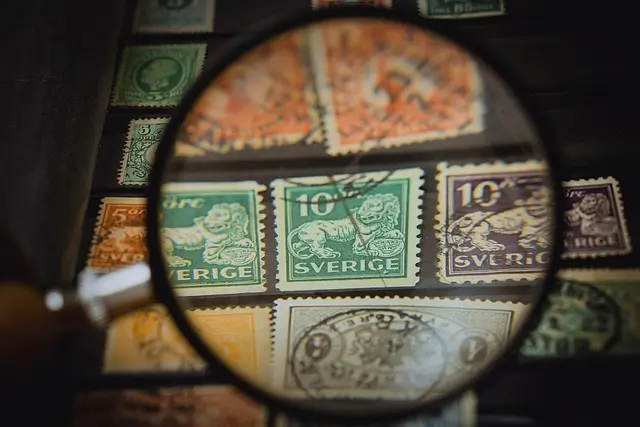
Stamp-collecting example.
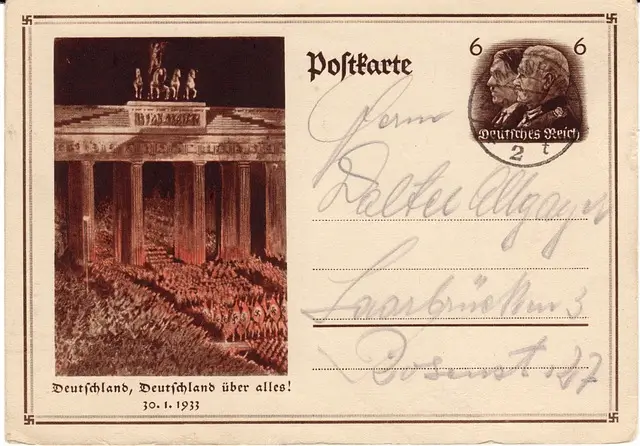
Postal-history example.
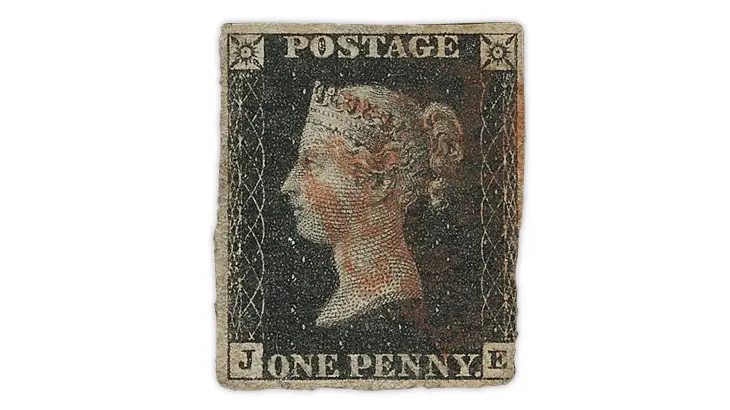
Classic stamp example.
Notes
Plain reference notes: American Philatelic Society, “Stamp Collecting Basics” and expertizing guidance, stamps.org. Royal Philatelic Society London, resources on philatelic research and expert opinions, rpsl.london. Smithsonian National Postal Museum, educational material on stamps and postal history, postalmuseum.si.edu. The International Federation of Philately (FIP), regulations and terminology for exhibiting and evaluating philatelic material, f-i-p.ch. Consult the relevant current country or specialist catalogue for issue identification; catalogue values are reference figures, not guaranteed sale prices.