

Let’s be honest: the thrill of finding a rare collectible is often matched only by the sinking feeling of realizing you’ve been duped. Fake collectibles are not just disappointing; they are expensive lessons in what not to do. Whether you’re hunting for vintage toys, trading cards, watches, coins, stamps, or comics, counterfeiters are waiting for you to make that one rushed decision.
This guide is not about memorizing one static list of fake traits. It is about building a practical inspection mindset that works across collecting categories. The goal is simple: slow down, verify the evidence, and keep bad purchases from entering your collection in the first place.
Disclosure: This article may contain affiliate links. If you buy through them, GrandCollector may earn a commission at no extra cost to you. Affiliate disclosure page.
Table of Contents
- Why Every Collector Needs This Skill (Yes, Even You)
- The Red Flags Beginners Consistently Miss
- Your At-Home Authentication Toolkit
- Category-Specific Warning Signs
- The Pre-Purchase Checklist: Don’t Buy Without These
- When to Walk Away (And When to Run)
- Building Your Authentication Muscle
- What If You Already Own Something Suspect?
- The Ultimate Authentication Mindset
- Notes
Why Every Collector Needs This Skill (Yes, Even You)
Collectors in every category eventually face the same reality: excitement makes people sloppy. A convincing fake does not have to fool experts forever. It only has to look plausible long enough for a rushed buyer to send money. Learning how to slow down and inspect before you buy is one of the cheapest skills you can build in this hobby.
The Red Flags Beginners Consistently Miss
New collectors tend to make the same mistakes. Understanding these common pitfalls is half the battle.
The “Too Perfect” Problem
A mint-condition 1970s action figure still in its original packaging? A 100-year-old coin with zero wear? A vintage comic that looks like it rolled off the press yesterday? Be skeptical. Authentic vintage items typically show some age-appropriate signs: minor storage wear, natural patina, or subtle color shifts. Items that look factory-fresh decades after production either had exceptional preservation or were made recently.
Story Over Substance
“From my grandfather’s estate.” “Found in an attic.” “Part of a famous collection.” Compelling backstories are cheap to create but expensive to verify. Legitimate sellers lead with evidence: clear photos, documentation, provenance. Sellers who emphasize the story while dodging authentication questions are waving red flags.
Inconsistent Aging Patterns
This is where many fakes fail. A coin with sharp details but artificially applied heavy toning. A toy with bright, unfaded colors but brittle, aged plastic. A comic with vibrant covers but yellowed, brittle pages. Authentic items age consistently across materials; fakes often show mismatched wear patterns that do not make chronological sense.
Your At-Home Authentication Toolkit
You do not need a laboratory to catch most fakes. These tools cost less than a single mid-grade collectible and can pay for themselves quickly.
The Digital Scale and Calipers Combo
Weight and measurements do not lie. Counterfeit coins are often the wrong weight because they use cheaper metals. Fake trading cards can be slightly thicker or thinner. Even 0.1mm or 0.1g differences matter. Compare against published specifications or known authentic examples.
The 10x Loupe
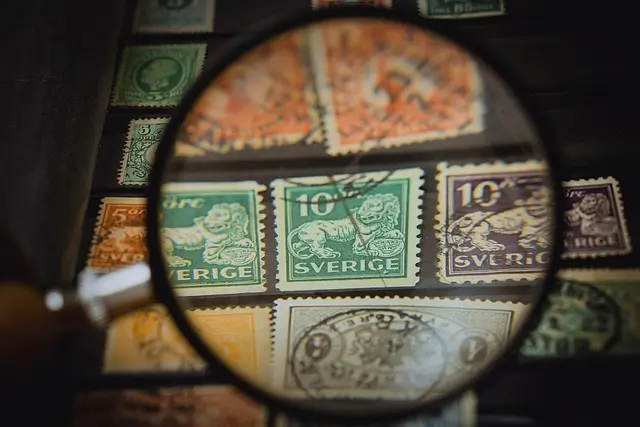
Magnification reveals what your eyes miss. On coins, look for casting seams, tool marks, or altered dates. On trading cards, examine printing patterns. Authentic cards have crisp, clean dots; fakes often show muddier patterns or bleeding colors. On autographs, check ink flow. Authentic signatures show natural variation; forgeries often appear too uniform or hesitant. For a closer look at tool features and tradeoffs, see this guide to choosing a loupe for close inspection. If you want a dedicated inspection support for collectibles, the recommended Carson LL-10 10x is worth a look.
The UV Flashlight
Blacklight reveals hidden truths. On stamps, restored perforations or regumming can fluoresce. On comics, color touch-up may show as brighter patches. On some cards and stickers, modern paper or inks may glow differently than vintage materials. It is not definitive proof, but it is an excellent screening tool.
The Magnet Test (Free with your refrigerator)
Simple but surprisingly effective. Authentic gold and silver coins are not magnetic. Some counterfeit coins made of base metals are. This test does not prove authenticity, but it quickly eliminates obvious fakes.

Category-Specific Warning Signs
While the principles are universal, each collectible category has its own tells.
Trading Cards: The Devil’s in the Details
- Printing quality: Authentic cards have sharp, clean edges on text and images. Fakes often show blurry edges or pixelation.
- Color saturation: Compare side by side with known authentic cards. Fakes frequently have slightly different color tones.
- Card stock: Vintage cards have distinct textures and thickness. Modern reproductions feel different.
- Centering: Perfectly centered vintage cards are rare. Too-perfect centering on alleged vintage items warrants extra scrutiny.
Coins: Metal Tells the Truth
- Weight and dimensions: Always measure.
- Edge details: Examine reeding. Authentic coins have consistent, sharp edge work; fakes often show irregular or soft details.
- Sound test: Authentic coins have a distinctive ring when tapped together. Practice with known real coins to learn the sound.
- Mint marks and dates: Under magnification, look for signs of alteration. Added mint marks or altered dates are common on fakes.
Vintage Toys and Action Figures
- Date stamps and markings: Authentic toys have specific manufacturing marks. Know what should be there for each era.
- Material types: Plastic formulations changed over time. A “1960s” toy made with plastic unavailable until the 1990s is a fake.
- Paint application: Vintage toys often have slightly uneven paint or minor factory flaws. Modern reproductions tend to be too perfect.
- Packaging: Study authentic packaging materials, printing styles, and even the types of tape used in different eras.
Watches: Timing is Everything
- Movement quality: Open the case back if possible. Authentic luxury watches have finely finished movements; fakes have rough, stamped parts.
- Weight: Authentic watches use quality metals that have specific heft. Fakes often feel lighter.
- Engraving and printing: Examine logos, serial numbers, and text under magnification. Authentic engravings are crisp and even.
- Second hand motion: Many luxury watches have smooth sweeping second hands. Fakes with quartz movements often have ticking seconds.
The Pre-Purchase Checklist: Don’t Buy Without These
Before clicking “Buy Now” or handing over cash, run through this checklist:
- Research common fakes in your category. Know which specific items are heavily counterfeited.
- Get clear, high-resolution photos from multiple angles. Insist on seeing authentication features clearly.
- Ask specific questions about provenance and authenticity. Legitimate sellers welcome these questions.
- Compare against reference materials. Use books, online databases, or museum collections.
- Verify seller reputation independently. Do not rely solely on platform ratings.
- Use payment methods with buyer protection. Never use Friends & Family payments for collectibles.
- Consider an escrow service for high-value items. The fee is worth the security.
When to Walk Away (And When to Run)
Some situations scream “fake” louder than others. Walk away immediately if you encounter:
- Seller avoids specific authentication questions or responds with “trust me”
- Prices significantly below market without a clear explanation
- Modern manufacturing marks on alleged vintage items
- Seller rushes you or creates false urgency
- Item comes from a known counterfeiting hotspot without verifiable provenance
- Seller has recently changed username or created new accounts to sell “rare” items
Building Your Authentication Muscle
Spotting fakes is a skill that improves with practice. Here’s how to develop yours:
Start with Common, Inexpensive Items
Before buying anything expensive, purchase the cheapest, most common version of what you’re interested in, even if it is damaged. Study it. Handle it. Understand what “real” looks and feels like. The small amount you may lose reselling it is still a cheap authentication lesson.
Build a Reference Library Before a Collection
Spend your first budget on reference books, not more inventory. Books documenting material changes, manufacturing techniques, and common counterfeits exist for nearly every category. That knowledge protects every future purchase.
Join Serious Collector Communities
Find forums, clubs, or social groups focused on authentication, not just buying and selling. Communities where members share detailed comparison photos and warning notices are invaluable.
Develop Dealer Relationships
Find a few reputable dealers in your category and buy from them consistently. Their expertise becomes part of your authentication toolkit, and they are more likely to flag potential issues with items you are considering.
What If You Already Own Something Suspect?
First, do not panic. Then:
- Get a private opinion from a trusted expert before telling anyone.
- Consider professional authentication if the item is valuable enough to justify the cost.
- If it is fake, do not pass it on. Keep it clearly labeled as counterfeit for reference, or dispose of it responsibly.
- Learn from the experience. Adjust your buying strategy based on what went wrong.
The Ultimate Authentication Mindset
The most valuable tool in spotting fakes is not a magnifier or scale. It is patience. Authentic collectibles have been around for decades; they will still be available tomorrow if you miss today’s “opportunity.” Fakes rely on rushed decisions and fear of missing out.
Authentication is not about memorizing one set of counterfeit traits forever. It is about understanding manufacturing processes, material science, and historical context well enough to spot anomalies that should not exist.
When in doubt, walk away. Your collection will thank you, and your bank account probably will too.
Notes
[1] Recommended reference books vary by category but generally include official guides from organizations like the American Numismatic Association for coins, specialized authentication guides for trading cards, and manufacturer-specific references for watches and toys.
[2] Professional authentication services include PCGS and NGC for coins, PSA, BGS, and SGC for trading cards, CGC for comics, and various specialized authenticators for watches, toys, and other collectibles.
[3] Digital scales accurate to 0.01g and calipers measuring to 0.01mm are sufficient for most authentication needs and can stay affordable compared with the cost of one bad purchase.
Disclosure: This article may contain affiliate links. If you buy through them, GrandCollector may earn a commission at no extra cost to you.
Recommended Inspection Tools
Here are a few products that can help with the topics covered in this article:
🛒 Recommended: Jewelers Loupe 10X with LED and UV Light
A rechargeable 10x jewelers loupe with LED and UV light — perfect for inspecting coin details, mint marks, and surface condition without straining your eyes.
🛒 Recommended: 1600X USB Digital Microscope
A 1600X USB digital microscope with adjustable metal stand — great for documenting coin details, photographing mint marks, and inspecting surfaces up close.
rechargeable 10x loupe
Fact-checked and refreshed on 2026-08-03. This guide remains current as of this date.