

Sneaker collecting can mean very different things. Some collectors focus on one brand, model, athlete, team, era, colourway, or collaboration. Others collect pairs connected to personal memories, design, music, sport, or regional releases. There is no correct collection size or theme. A clear scope helps you spend deliberately and learn the details that matter instead of buying every pair that attracts attention.
Choose a collecting scope
Start by writing a simple collecting rule. You might collect one silhouette, shoes from a particular decade, pairs linked to a sport, or only designs you would genuinely wear. Decide whether your collection includes worn pairs, deadstock pairs, original boxes, samples, or accessories. Your rule can change, but having one makes impulse purchases easier to question.
Record the exact model, colourway, size, release or production information where available, and whether the pair is new or pre-owned. Names are often inconsistent across marketplaces, so a style code, SKU, or other manufacturer identifier is more useful than a seller’s shortened description.
Authentication starts before payment
Counterfeits can copy packaging, labels, materials, and construction. No single test proves that a sneaker is authentic. Smell, stitching, a box label, or a UV-light result can provide clues, but each can also mislead. Compare the pair with reliable reference photographs and, for an expensive purchase, use a reputable authentication service or an experienced specialist.
- Check that the style code, size, colour description, and other details on the box agree with the shoe’s internal label.
- Compare panel shapes, logos, fonts, stitching, sole patterns, hardware, and materials with a verified example of the same release.
- Inspect both shoes. Significant differences between left and right construction deserve an explanation.
- Look for signs of relacing, replaced insoles, swapped boxes, altered labels, or repaired parts.
Platform authentication is a useful safeguard, but read its eligibility rules, exclusions, return policy, and claim deadlines. It is not a substitute for keeping photographs and purchase records.
Provenance gives the pair a history
Provenance means the evidence showing where an item came from and how it changed hands. For ordinary retail pairs, keep the order confirmation, receipt, seller name, date, and original listing. For a second-hand pair, ask when and where it was purchased, whether it has been worn, and whether any parts were replaced. For samples, player editions, or unusual releases, a story alone is not proof; look for credible documentation that connects the item to its claimed source.
A strong provenance record does not guarantee authenticity, but missing or contradictory history increases the questions you need answered before buying. Save screenshots of listings because online descriptions and photographs may disappear after a sale.
Assess condition honestly
Condition affects both enjoyment and future selling options, but descriptions are not standardized everywhere. “New” may mean unworn, while “deadstock” is commonly used for an unworn pair with its original packaging. Ask the seller to define the term rather than relying on the label.
Inspect the outsole, tread, uppers, lining, insole, laces, midsole, stitching, and box. Look for heel drag, creasing, stains, separation, yellowing, cracking, odour, moisture damage, and previous cleaning or repainting. Check whether the original accessories are present. A replacement box or missing laces does not automatically make a pair bad, but it should be recorded accurately.
Photograph the condition from several angles when the pair arrives. If the item differs materially from the listing, contact the seller or platform promptly and keep the packaging until the dispute is resolved.
Buy slowly and document every purchase
Before buying, compare completed sales for the same model, size, condition, and packaging. Asking prices show what sellers hope to receive, not what buyers have paid. Treat marketplace fees, shipping, taxes, authentication charges, cleaning, and possible repairs as part of the total cost.
Use payment methods with clear buyer protection. Confirm the seller’s return terms before paying, especially for private sales. For local transactions, meet in a safe public place, inspect the pair in person, and do not allow urgency to replace due diligence.
Create a record for each pair containing:
- model, colourway, size, style code, and date acquired;
- purchase price and all additional costs;
- seller, marketplace, order number, and payment method;
- condition notes, accessories, and box status;
- receipt, listing screenshots, authentication result, and photographs.
Store sneakers to slow deterioration
Sneakers contain materials that can age even when unworn. Store them in a clean, stable, moderately dry indoor environment away from direct sunlight, heaters, damp walls, attics, garages, and vehicles. Avoid sealing damp footwear in an airtight container. Let cleaned or worn pairs dry fully before storage, and check them periodically for mould, cracking, adhesive failure, pests, or discolouration.
Keep original boxes and paper if they are clean and dry, but do not let damaged cardboard or acidic tissue touch vulnerable surfaces. Support the shoe without crushing it, avoid excessive stacking, and use storage containers made for archival or household storage rather than relying on a product claim. If a pair shows serious material failure, consult a conservator or experienced repair professional before attempting a treatment.
Resale is uncertain
A sneaker’s future selling price is never guaranteed. Demand changes with fashion, reissues, platform policies, condition, size, local supply, and the buyer’s ability to verify the pair. Fees and shipping can reduce the amount received, and a pair may take time to sell. Collect because you value the object, its design, or its connection to your interests—not because a price chart suggests a certain outcome. Never spend money needed for ordinary expenses on a speculative purchase.
Seller red flags
- Pressure to pay immediately or move away from a protected marketplace.
- Requests for cash, cryptocurrency, gift cards, or a friends-and-family transfer with no buyer protection.
- Refusal to provide current, tagged photographs or photographs of labels and soles.
- Stock images, copied descriptions, inconsistent answers, or photographs from different pairs.
- Claims such as “unauthorised authentic,” “replica factory,” or “same materials as retail.” These describe a counterfeit or an item that cannot be treated as verified authentic.
- A price dramatically below comparable completed sales without a credible explanation.
- Refusal to disclose repairs, replacement parts, defects, or the source of the pair.
When several red flags appear, walk away. There will always be another pair, but recovering money from a bad transaction may be difficult.
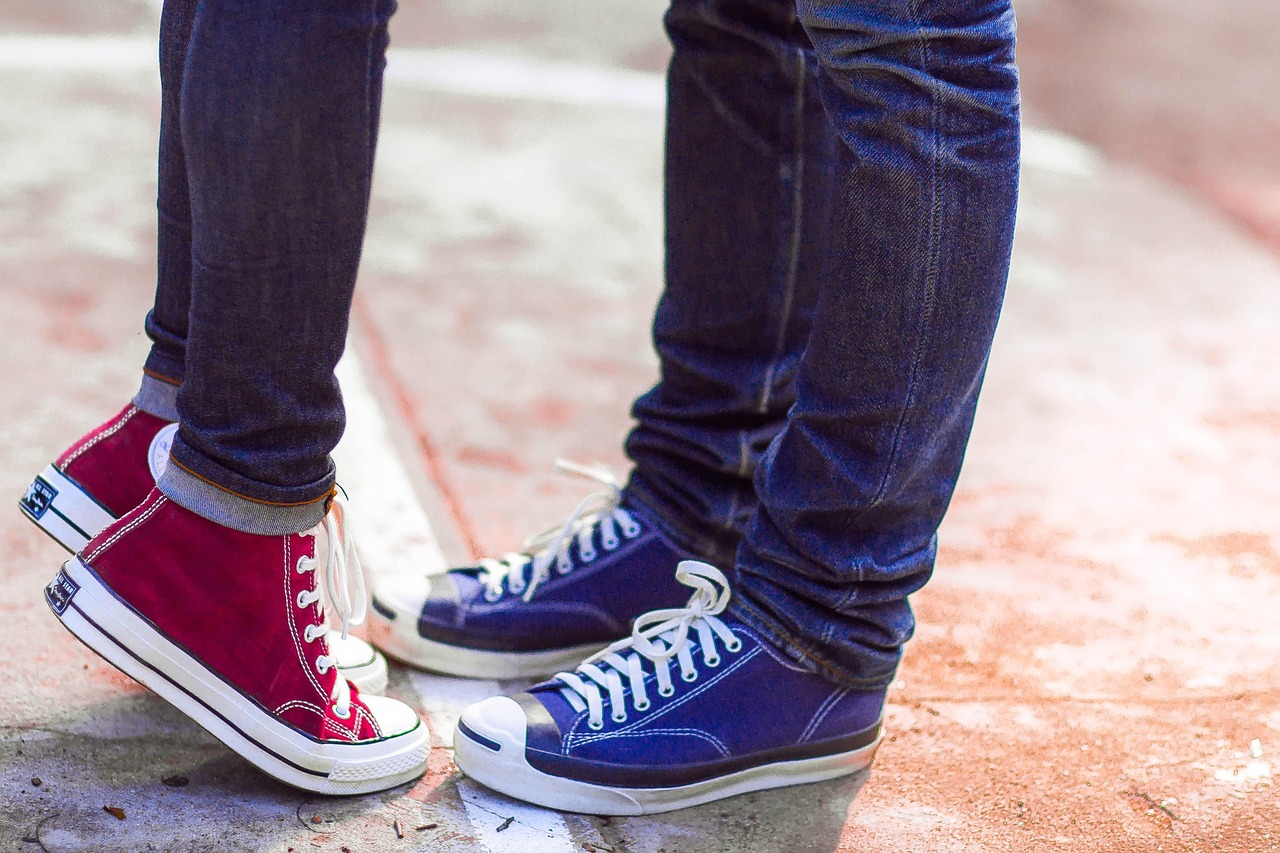
Use clear records and careful inspection when comparing sneaker releases.
Condition, provenance, and buyer protection matter as much as the model name.
Notes
Sources: U.S. Federal Trade Commission consumer guidance on online shopping and payment protections at consumer.ftc.gov; U.S. Consumer Product Safety Commission guidance at cpsc.gov; International Council of Museums conservation resources at icom.museum; marketplace authentication, condition, and buyer-protection policies should be checked directly on the platform used for each transaction.