
Vintage toy collecting can be a rewarding way to study design, manufacturing, and popular culture. It can also become an expensive guessing game when age, completeness, and condition are treated as marketing language. Start with identification and documentation.
Start with the toy’s identity and age
Begin by recording exactly what you have. Photograph the front, back, underside, accessories, packaging, markings, and any damage before cleaning or changing anything. Look for copyright dates, manufacturer names, country-of-origin marks, patent numbers, model numbers, catalog references, and mold or production codes. A date printed on a toy can identify the intellectual property or package design without proving that the individual piece was made that year.
Compare the item with manufacturer references, museum collections, specialist books, archived catalogs, and established collector organizations. Check construction details as well as labels: fasteners, joints, paint, materials, logos, typography, and packaging dimensions can distinguish an early production run from a later reissue. Avoid dating a toy solely by yellowing, dust, or a seller’s attic-find claim.
Record condition and completeness honestly
Condition is a description, not a compliment. Inspect the toy under even light and note paint loss, fading, cracks, warping, corrosion, loose joints, missing decals, odors, repairs, brittle rubber, battery leakage, and replacement parts. Test moving or electronic features carefully; forcing a seized mechanism can cause damage. For tin or battery-operated toys, do not install batteries just to prove that a mechanism works.
Completeness should be checked against a period catalog, instruction sheet, package illustration, or specialist checklist. Separate original accessories from later additions and list them individually. A figure with an original accessory is not the same as one with a visually similar replacement. Keep packaging with its inserts, stickers, cardboard trays, instructions, and paperwork when they are genuinely original, but describe tears, writing, tape, and restoration. “Sealed” does not automatically mean untouched: packaging may have been resealed or parts may have been replaced before closing the box.
Restoration: preserve evidence before improving appearance
Do the least invasive work first. Remove loose dust with a soft brush and use a clean, dry surface for inspection. Do not repaint, polish, soak, bend, glue, or use household solvents until you know how the material and original finish react. Abrasive cleaning can remove factory paint and surface details that help identify a toy. Over-cleaning can make an honest worn example look altered, which may reduce its interest to collectors.
Document every repair with dates, photographs, materials, and the name of the person who performed it. Keep removed parts and old packaging rather than discarding them. For valuable, fragile, or chemically unstable objects, consult a conservator who works with plastics, metals, textiles, or paper. A reversible repair is generally easier to disclose and reassess than a permanent modification. Restoration may improve display condition, but it does not turn a common toy into a rare one.
Build provenance without inventing a story
Provenance is the documented history of ownership and handling. Keep receipts, auction records, dated photographs, family notes, correspondence, and catalog descriptions together with the item. Record where and when you acquired it, from whom, and what was said about its history. A family story can add context, but it is not proof of age, ownership, or exceptional status on its own. Do not repeat an unverified claim in a listing as fact.
Store toys for stability, not convenience
Light, heat, moisture, pollutants, and fluctuating humidity can damage plastics, rubber, metal, paper, and paint. Display toys away from direct sunlight and strong heat sources. Use a clean, stable room rather than an attic, garage, basement, or window ledge. Keep paper packaging in acid-free boxes or folders, and use inert, archival-quality enclosures where suitable. Do not trap a damp object in plastic; condensation and mold can cause more damage than dust.
Support fragile parts so weight is not placed on thin limbs, wheels, antennas, or cardboard. Store metal components dry and inspect them periodically for corrosion. Remove batteries from electronic toys and check for leakage. Handle objects with clean, dry hands, and keep food, smoke, and household chemicals away from the collection. Vintage toys may contain lead in old paint or metal alloys, so keep questionable pieces away from young children and do not let anyone chew or play with them. Wash hands after handling items with flaking paint or unknown materials.
Buy with evidence and an exit plan
Before buying, identify the exact issue, inspect all photographs, compare completed sales for genuinely comparable examples, and calculate shipping, taxes, repairs, and authentication costs. Asking prices are not evidence of market value. Request photos of marks, seams, accessories, package edges, and areas commonly repaired. Use payment methods with meaningful buyer protection, read the return terms, and save the listing and messages.
Reproductions and counterfeits
Reproduction accessories, replacement decals, recast parts, bootlegs, altered dates, and resealed packages can enter an otherwise genuine collection. Compare suspected items with confirmed examples, especially material feel, color, mold lines, logo placement, screw types, printing, fonts, staples, and package dimensions. Be cautious when every component looks unnaturally fresh or when wear appears only where it supports a seller’s story. A modern replacement is not necessarily bad; it becomes a problem when it is presented as original.
When evidence is inconclusive, label the item as uncertain and price it accordingly. Do not drill, cut, chemically test, or disassemble a toy merely to prove authenticity. Specialist references and experienced collectors can help, while high-value or disputed pieces may justify professional examination.
Keep value expectations realistic
There is no universal price for “vintage.” Value depends on confirmed identity, condition, completeness, originality, provenance, demand, timing, venue, and buyer confidence. A toy can be historically interesting without being financially valuable. A clean, complete example may be easier to sell than a damaged one, but that does not guarantee appreciation. Markets can remain flat, change with fashion, or fall when a trend fades.
Use recent completed sales as context, not as a promise. Compare like with like: same issue, original parts, similar condition, and similar selling venue. Track your total cost, including storage and restoration. Collect for enjoyment and knowledge first; treat any future resale gain as uncertain. The best beginner purchase is one you would still be glad to own if its market value never rises.
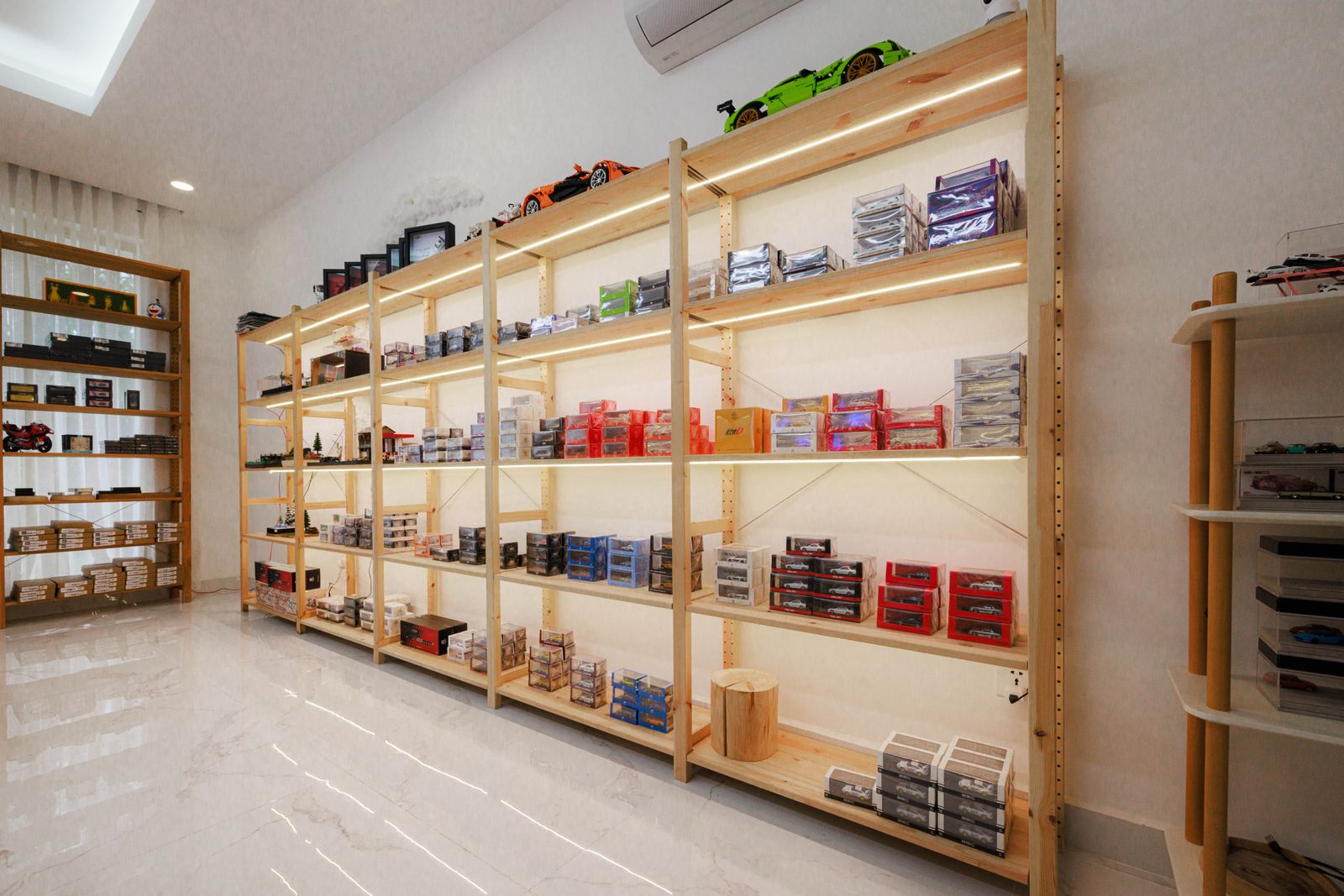
Identify each toy carefully and document its condition before making changes.
Stable storage and honest provenance records help preserve a vintage collection.
Notes
[1] Smithsonian, “Preserving Plastics,” americanhistory.si.edu/explore/stories/preserving-plastics.
[2] Smithsonian Institution Archives, “Environment,” siarchives.si.edu/what-we-do/preservation/environment.
[3] Canadian Conservation Institute, “Caring for Plastics and Rubbers,” canada.ca/en/conservation-institute/services/preventive-conservation/guidelines-collections/caring-plastics-rubbers.html.
[4] CDC, “About Lead in Consumer Products,” cdc.gov/lead-prevention/prevention/consumer-products.html.