

Comic collecting gets expensive when a beginner buys the story around a book instead of the book itself. A seller may call an issue rare, investment grade, or a first appearance, but those labels need checking. Start with accurate identification, honest condition assessment, and a clear reason for owning the comic. Value can be part of the hobby, but it should not be the only reason to collect.
Identify the exact issue first
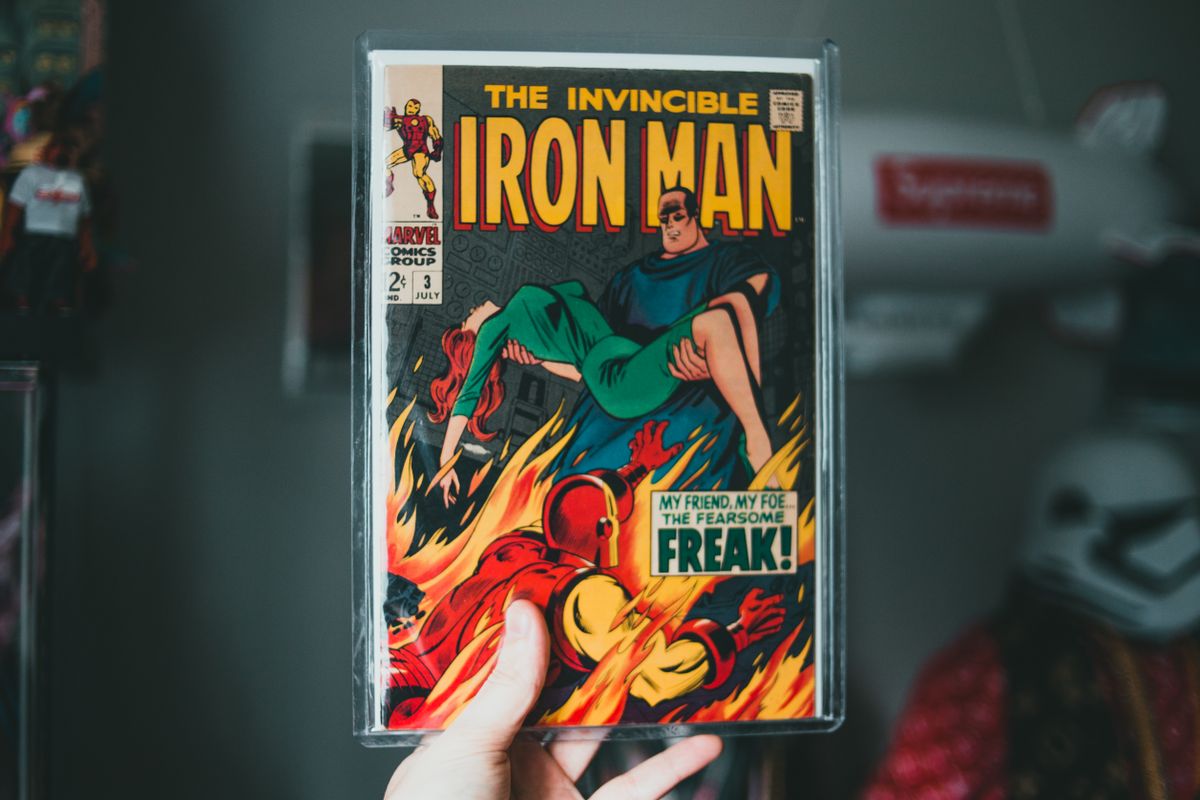
Before comparing listings or prices, record the information printed on the comic. Note the publisher, title, issue number, cover date, volume number, story title, credited creators, cover artist, and any indicia or copyright information inside. The indicia often gives the publisher and publication details more precisely than the front cover. Also record whether the issue is complete, including coupons, posters, inserts, or other pages that were originally bound into it.
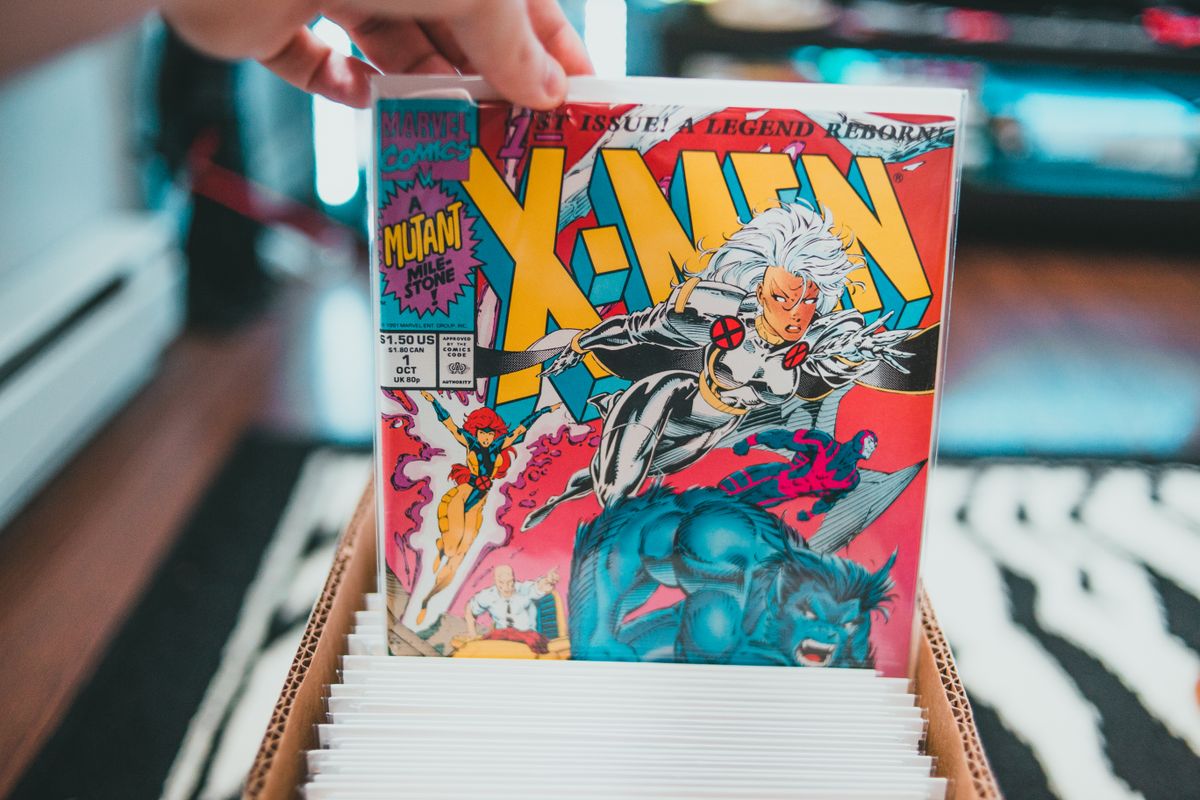
Compare the cover and interior details with a reputable comic catalogue, a library reference, or a specialist dealer’s checklist. A similar-looking cover can belong to a different volume, a later issue, a facsimile, or a foreign edition. Photograph both covers and the indicia for your records. Do not rely on a handwritten note, a seller’s title, or a barcode alone.
Understand editions, printings, and reprints
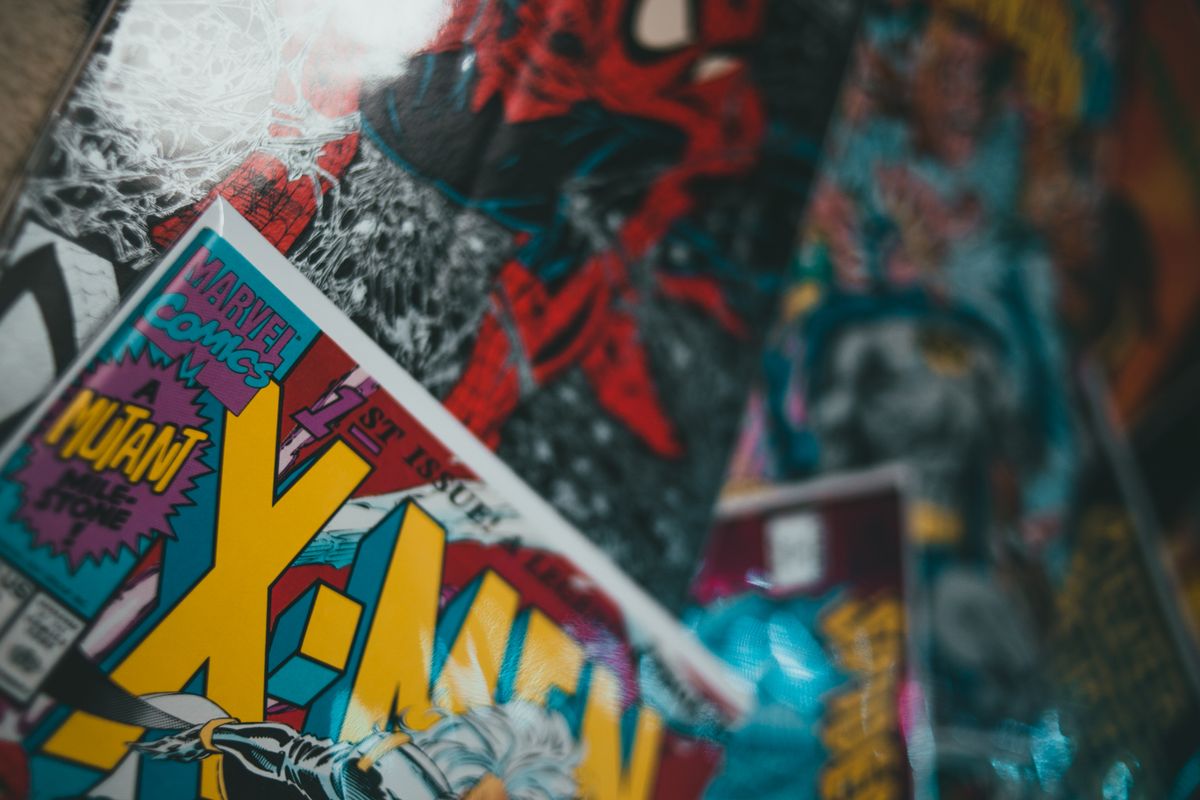
Two copies with the same issue number may not be the same edition. A first printing, later printing, newsstand issue, direct-market edition, variant cover, facsimile, collected reprint, and digital or promotional version can have different identifying marks and different demand. A barcode, price box, distributor code, cover notice, or printing statement may help distinguish them, but these clues vary by publisher and period.
Do not assume that an unusual cover or a low number in a catalogue proves scarcity. Verify the edition against multiple reference images and descriptions. If a listing claims a rare printing but does not show the relevant indicia, barcode, or interior page, treat the claim as unverified rather than paying a premium for it.
Assess condition without calling it “mint”
Comic condition is a description of the whole book, not just a clean front cover. Inspect under bright, indirect light and handle the issue by its edges. Check for spine stress, color-breaking creases, tears, chipped corners, detached covers, loose pages, staple rust, stains, writing, missing coupons, tape, water damage, brittle paper, and unusual odors. Page color and paper quality also matter, especially on older issues.
Industry grading scales use terms such as Good, Very Good, Fine, Very Fine, and Near Mint, but the boundaries are detailed and easy to misapply. A comic in a bag is not automatically high grade. Compare your assessment with published grading guides and with graded examples before buying an expensive raw copy. When selling, describe defects plainly and photograph the front, back, spine, interior, and any problem area.
Restoration, conservation, and alteration
Restoration means work intended to improve a comic’s appearance or structural condition, such as color touch, tear seals, piece replacement, cleaning, trimming, glue, or added staples. Some work is relatively minor; other work changes the book substantially. Conservation may stabilize a damaged item without the same cosmetic intent, but buyers still need to know what was done. Pressing can reduce some non-color-breaking defects and is discussed separately by grading services from more invasive restoration.
Look for unusually sharp edges, inconsistent gloss or color, filled spine splits, mismatched paper, excess glue, altered staples, and cover or interior pages that do not align naturally. These signs are not proof by themselves. For a costly older issue, use a qualified dealer, conservator, or recognized grading service. A grading label that notes restoration or a qualified grade is not the same as an unrestored numeric grade, and the market may treat the copies differently.
Store comics like paper, not like plastic
Use a properly sized bag and a clean, supportive backing board made for archival storage. Replace worn or dirty bags, and avoid materials that can transfer plasticizers or acids to paper. Keep books upright in a sturdy box with enough support that they do not slump, but do not pack them so tightly that removal bends the spines. Oversized issues and valuable books need appropriately sized protection.
Choose a cool, stable, dry interior location away from sunlight, radiators, plumbing, attics, and damp basements. Avoid rapid changes in temperature and humidity. Do not store comics directly on a floor, and do not use rubber bands, adhesive tape, paper clips, or ordinary cardboard as long-term supports. For a slabbed comic, protect the case from scratches and still control the surrounding environment.
Keep provenance, but verify the story
Provenance is the record of where a comic came from and what happened to it. Keep receipts, auction records, photographs, grading certificates, restoration disclosures, and transfer details together with your collection inventory. A documented chain of ownership can help establish identity and condition, especially for an older or signed book, but a dramatic family or “attic find” story is not proof of authenticity or value.
Authentication and signatures
Authentication starts with the physical issue: compare printing details, paper, staples, cover alignment, and indicia with reliable references. Be cautious with trimmed, resealed, incomplete, or heavily altered books. A signature can be genuine, witnessed, authenticated, or simply an unverified mark; those are different claims. Ask exactly what a certificate covers and who issued it.
For a significant purchase, consider a recognized third-party grading and authentication service. Check the certification number in the service’s online database, compare the result and holder details with the item, and remember that a database entry does not replace inspecting the physical book. Buy from a seller who provides a written return policy.
Buy slowly and compare real demand
Set a collecting goal and a spending limit before visiting a shop, convention, auction, or online marketplace. Local shops let you inspect raw books; established dealers and auction platforms may provide clearer terms and returns. Online, require sharp photographs of the actual comic, not stock art. Ask about missing pages, restoration, pressing, signatures, grading, shipping protection, and returns before paying.
Compare completed sales for the same issue, edition, completeness, restoration status, and grade rather than copying an unsold asking price. Include buyer’s premiums, shipping, taxes, grading fees, and selling fees in your decision. Never let a countdown, film announcement, or seller’s claim of imminent scarcity replace research.
Set realistic value expectations
There is no automatic premium for age, a low print-run claim, a famous character, or a clean-looking bag. Value depends on identifiable edition, completeness, condition, restoration status, provenance, and current buyer demand. Common comics may be enjoyable and historically interesting without being financially important. Even recognized key issues can vary widely by grade and market timing.
Use recent comparable sales as evidence, not as a promise. Selling costs and the time required to find the right buyer reduce what a collector actually receives. Treat a collection as a hobby asset with uncertain liquidity, not a guaranteed investment. The safest beginner purchase is a comic you would still be happy to own if its resale value stayed flat.
Notes
Comic book identification and grading terminology: Certified Guaranty Company (CGC), How to Grade Comic Books and certification resources.
Third-party grading, restoration notation, and certification checks: CGC and CBCS official grading and verification resources.
Paper handling, storage environment, and preservation: Library of Congress, “Care, Handling, and Storage of Books.”
Edition, printing, and indicia research: Overstreet Comic Book Price Guide and publisher indicia, checked against the physical issue.