

Walk into any coin shop and you’ll see three formats: proof sets in hard plastic, mint sets in sealed cellophane, and loose coins pulled from circulation. Each has loyal collectors. Each has sellers promising theirs is the better deal. The reality is simpler than dealers make it sound, the right choice depends more on your goals than on the coins.

What each type of coin actually is
The terms get thrown around loosely, so let’s start with clear definitions.
Proof coins are purpose-made for collectors. The mint uses polished dies and planchets, striking each coin twice under higher pressure. The result: mirror-like fields and frosted raised details. The US Mint packages them in presentation boxes with protective holders. They were never meant to be spent.
Mint set coins are factory-fresh uncirculated coins, the same design and metal content as circulation coins, but they were pulled straight from the production line before ever entering a cash register. The US Mint packages them in sealed plastic, one of each denomination from a given year. The finish is standard, not mirrored. They look like brand-new pocket change.
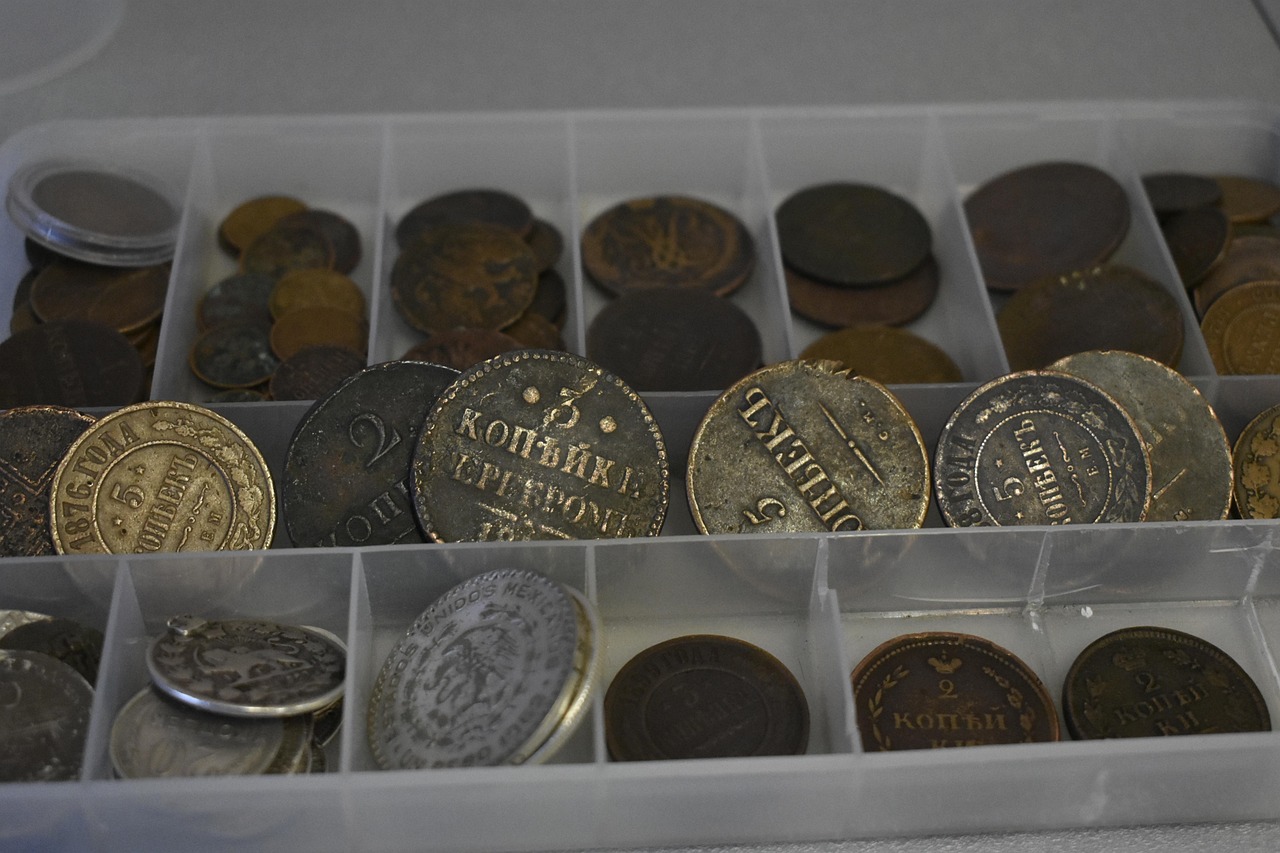
Circulation strikes are the coins you find in your change. Same dies, same metal, but they entered the economy and have been handled, spent, and pocketed. Some leave circulation quickly and stay nice. Most don’t.
Why people gravitate toward proof sets
Proof sets are the glamour option. The mirrored finish catches light in a way that standard coins don’t. The packaging is deliberate, the US Mint wants these to feel like premium collectibles. For someone who enjoys displaying coins, proofs look better on a shelf.
Lower mintage adds to the appeal. In most years, the Mint produces far fewer proof coins than uncirculated mint set coins. Fewer made means, in theory, more scarce.
But the downside is real. Proof sets from common years, late 1960s through the 2000s, often sell near their original issue price. The market is flooded. Dealer stockrooms are full of sets buyers thought would appreciate and never did. A 1973 proof set cost $7 when new. Fifty years later, a dealer might offer you $6.
When mint sets are the smarter buy
Mint sets are the quieter, cheaper entry point that many experienced collectors actually prefer.
Here is what beginners miss: nearly every uncirculated slabbed coin came from a mint set, a roll, or a proof set. When a dealer breaks open a 1955 mint set and submits the best half dollar, that one coin can sell for more than the sealed set cost. The set is a source of raw high-grade coins, especially for years where finding uncirculated material any other way is difficult.
Mint sets are also cheaper to buy whole. A typical modern mint set runs well under $10. Even older sets, 1950s, 1960s, often cost less per coin than buying individual uncirculated examples. You get every denomination from that year in one purchase.
The tradeoff: mint set coins don’t have the dramatic visual punch of proofs. The packaging is utilitarian, sealed plastic, not a presentation case. If display matters to you, mint sets are less satisfying to look at.

Circulation strikes, the budget path that can still pay off
Collecting from circulation is the cheapest way to build a collection, and for some, the most satisfying. Finding a coin in change feels different from buying one, there’s a hunt sealed sets don’t provide.
The obvious reality: circulated coins are the least valuable in raw dollar terms. A worn 1964 Kennedy half dollar is worth its silver melt value and not much more. Most modern circulation finds, state quarters, presidential dollars, are worth face value even in nice condition.
But two things make circulation collecting worthwhile. First, errors and key dates still turn up. Cherrypickers find doubled dies, misplaced mint marks, and rare varieties in pocket change because the average person doesn’t look. Second, some collectors simply enjoy filling albums with coins they found themselves, that enjoyment is the return, not resale profit.
How to decide which type fits your collecting style
Start by asking what you actually want: coins you can admire on a shelf, coins you can grade and slab, or the satisfaction of finding something in change. Each goal points to a different format.
For display and presentation, proof sets win. They are designed to look impressive in their holders. Just don’t expect most to gain significant value.
For building a graded collection, mint sets are the practical source of raw uncirculated coins. Buy a set, cherrypick the best example of each denomination, and submit the strongest candidates for grading. You often get several grade-worthy coins for less than buying each one individually.
Related: How to Grade Coins at Home Before Sending to PCGS or NGC — learn to assess condition yourself before submitting. The grade determines which price column applies, and most beginners overestimate by at least one or two points.
For the thrill of discovery, circulation strikes are the only game. You won’t find a proof Kennedy half in your grocery store change, but you might find a silver one. You might find a doubled die. The dollar value is lower, but if value were the only measure, nobody would collect anything.
What sellers won’t tell you about each
Proof set sellers rarely mention that toning, haze, and spotting are common in older sets, especially 1950s-1960s. The packaging materials, cardboard, cellophane, soft plastic, release compounds over decades that discolor the coins. A set that looked flawless in 1965 may now have hazy surfaces or brown spots, cutting value noticeably.
Mint set sellers rarely point out that the coins inside are not graded. Uncirculated covers a wide range, from MS-60 to MS-67. Not every coin in a mint set will grade well. Some have bag marks from production, scratches from rubbing against neighbors in the cellophane, or strike weakness that keeps them from top grades.
Circulation collecting has its own trap: confirmation bias. Finding a doubled die listed in a reference book is exciting. Overpaying for a minor variety that carries no real premium is common. Most doubled dies are worth little more than face value.
Common red flags when buying
Avoid proof sets where the plastic case is cracked, cloudy, or showing separation at the seams. Once air and moisture get in, the coins inside degrade faster than you would expect. The same applies to mint sets, any tear, pinhole, or broken seal means the coins have been exposed and are no longer verifiably original.
Related: Coin Storage Mistakes That Cost You Grade Points — and How to Fix Them — once a seal is compromised, storage conditions determine how fast the damage compounds. Learn which storage mistakes cause the most grade-point loss.
Watch for cleaned coins sold as “original uncirculated.” A dipped or polished coin looks brighter but has lost its original surfaces. Grading companies will catch this and body-bag the coin. Sellers on auction sites frequently fail to disclose cleaning, and the photos are often too bright to tell.
Be skeptical of any proof set listed as “rare” that has a mintage in the millions. The US Mint produced over 3 million proof sets in some modern years. Rarity requires low supply, not just demand.
Final practical advice
Proof sets, mint sets, and circulation strikes each serve a different collector. None is objectively better, but each delivers a different experience for a different budget.
If you want to own nice-looking coins with minimal effort, proof sets from years you find appealing are a fine starting point. If you want to build a collection with grading potential and you enjoy cherrypicking, mint sets offer the best raw material for your dollar. If you want the hunt without the spend, keep checking your change, every roll of quarters is a lottery ticket that costs face value.
The common mistake is mixing them up: buying proof sets expecting investment returns, or cherrypicking circulation rolls expecting display-worthy coins. Pick the format that fits why you collect, and ignore the sales pitch telling you every shiny thing in a box will make you money.
Related: Coin Collecting Guide for Beginners — our comprehensive starting point covering everything from terminology to building your first collection. Once you understand the differences between proof, mint, and circulation coins, this guide helps you apply that knowledge to real collecting decisions.
Notes
[1] US Mint production figures for proof and uncirculated sets are published annually on usmint.gov. Historical data confirms proof sets are produced in lower quantities than uncirculated mint sets.
[2] Toning and haze in vintage proof sets (1950s-1960s) is widely documented in numismatic literature. The era’s packaging materials, cardboard, soft plastic, release sulfur compounds that discolor coins over time.
[3] Cherrypickers’ Guide to Rare Die Varieties by Bill Fivaz and J.T. Stanton documents doubled dies and varieties found in circulation. Most carry modest premiums; only the most dramatic examples command significant value.