

Disclosure: This article may contain affiliate links. If you buy through them, GrandCollector may earn a commission at no extra cost to you.
You bought a coin in MS-65. Two years later, it grades MS-63. The coin didn’t change, your storage did. Most collectors lose grade points not from handling but from how they store coins between viewings. The damage is slow, silent, and cumulative. Here are the mistakes that matter and how to fix them before your next submission.
Storage problems don’t announce themselves with a cracked holder or a visible spill. They accumulate in microns: a faint green spot on copper, a new hairline that wasn’t there last year, a haze that deepens with every summer. By the time you see the damage, the coin has already lost one or two grade points. The cost of fixing storage is a fraction of what you lose on a downgrade at the next submission, and every fix in this guide is something you can do today.
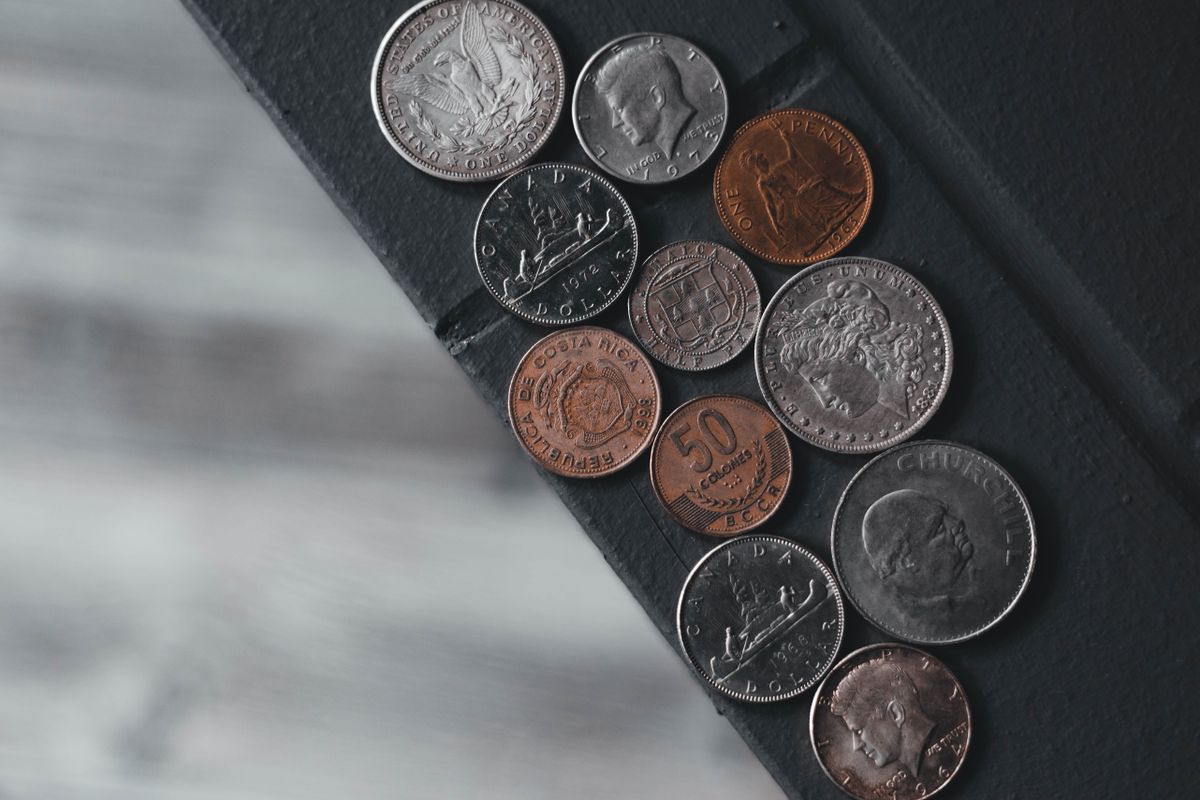
The PVC Trap
Flips and albums made with PVC plastic are the single biggest destroyer of coin surfaces in home collections. Over months and years, PVC breaks down and releases acidic gases that deposit a sticky green film on coin surfaces. Once that film etches the metal, the damage is permanent, no dip removes it without altering the surface underneath. The fix: if a flip smells like a shower curtain or feels soft and waxy, it contains PVC. Replace it with polyethylene, polypropylene, or Mylar flips.
Related: New to coin storage and preservation? Start with our Coin Collecting Guide for Beginners — covers the basics of handling, storage, and protecting your first coins from day one.
A box of 100 archival-safe flips costs about the same as grading one coin, and saves you from regrading ten.
This is especially dangerous for copper and bronze coins, which react more aggressively with PVC residue than silver or gold. A copper Lincoln cent stored in a PVC flip for two years can develop emerald-green spots that graders immediately flag as environmental damage. Silver coins develop a haze that obscures luster. None of this is reversible through conservation, it removes metal along with the contamination. If you own any coins bought from older collections, check the flips first. A 40-year-old flip in an estate collection is almost certainly PVC and has been off-gassing the entire time.
Humidity and the Paper Envelope Problem
Manila envelopes, coin folders, and cardboard 2x2s seem harmless. They aren’t. Paper and cardboard hold moisture, and moisture corrodes metal. A coin stored in a paper envelope inside a humid drawer can develop spots in a single summer, especially copper, which forms undesirable green spots that graders flag immediately. The fix: use inert plastic holders and add a desiccant pack to any long-term storage box. A $5 box of silica gel packs replaced every 3 months keeps humidity below 40% in a sealed container. If you live in a tropical climate or near the coast, this is not optional.
Stacking Raw Coins
Coins in 2x2s or flips look stackable. They aren’t. The weight of a dozen flips compresses the holder under the coin on top, pressing it against the surface underneath. Over time, this produces faint contact marks, hairline scratches that show up under 5x magnification and separate an MS-64 from an MS-65. The fix: store flips vertically in rows like record albums, or use boxes with individual slots. Never stack more than two high, and only when both holders are rigid enough to bear the weight without flexing.
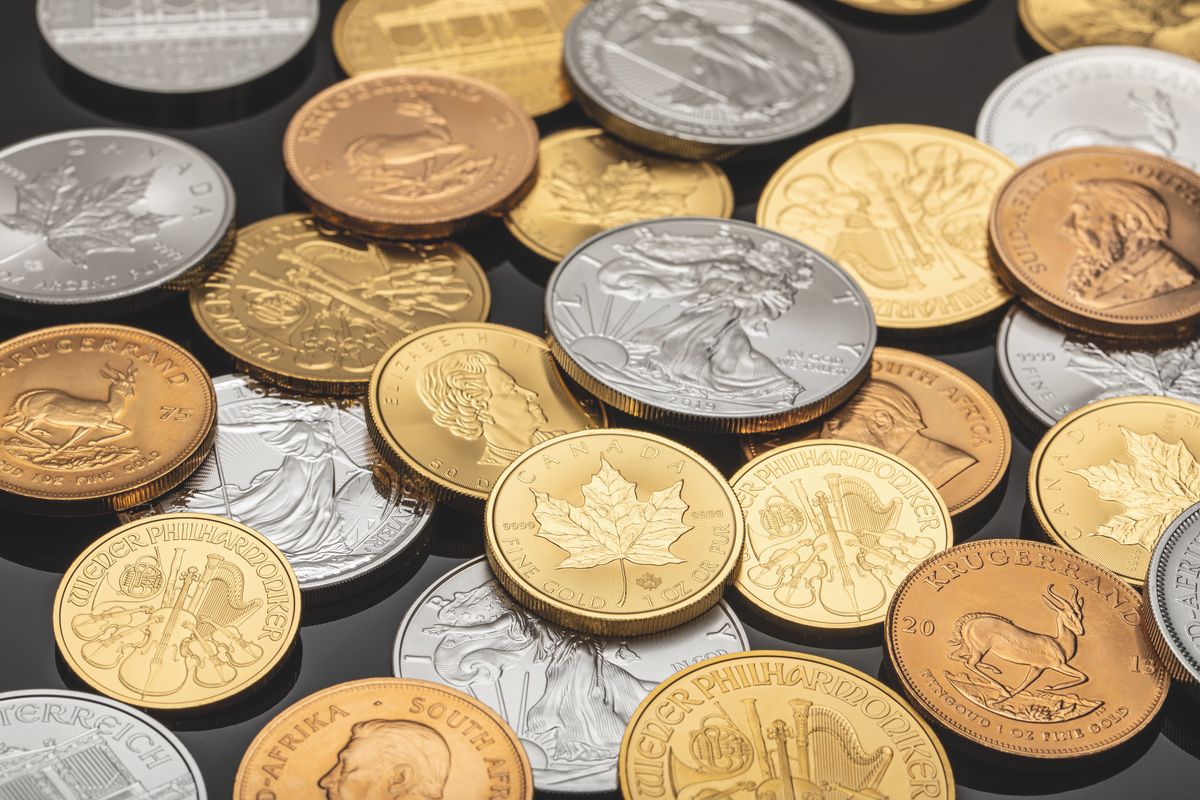
Temperature Swings and Cabinet Choice
Attics, garages, and basements are coin killers. Daily temperature swings cause metal to expand and contract, accelerating toning from attractive to terminal. A copper coin stored in an attic that hits 110°F by day and 65°F at night will develop uneven toning within months, the kind graders call “questionable color.” The fix: coins belong in the most temperature-stable room in the house. An interior closet away from exterior walls and HVAC vents is ideal. If you wouldn’t store a chocolate bar there, don’t store coins there.
Wooden cabinets and display cases compound the problem. Many woods, especially oak and mahogany, release volatile organic acids as they age. These acids accelerate tarnishing on silver and toning on copper. A beautiful wooden coin cabinet that has been in use for 20 years may be the reason your silver dollars are developing rainbow toning faster than expected. If you use a wooden cabinet, line the drawers with archival polyester film as a barrier between the wood and the coins. Better yet, switch to inert plastic or metal storage with desiccant control.
The Rubber Band and Tape Habit
It’s the oldest shortcut in collecting: wrap a stack of coins in a rubber band or tape a flip shut. Rubber bands degrade into sticky residue that bonds to coin surfaces. Clear tape leaves adhesive on flips that can transfer to the coin. Both damage is visible to graders in seconds. The fix: stop using rubber bands completely. For grouping flips, use archival-safe paper bands or slip them into labeled polyethylene sleeves. If a flip won’t stay shut, replace it, flips cost pennies, grading resubmissions cost much more.
How to Check If Your Current Storage Is Hurting Your Coins
Pull out five coins you haven’t examined in a year. Check each under a desk lamp at 5x magnification. Look for: green spots (PVC residue), new contact marks (stacking damage), uneven toning or haze (humidity/temperature), and any sticky residue (rubber band or tape damage). If you find any of these, the storage method is the cause. The coin wasn’t damaged when you bought it, it degraded on your watch. That’s fixable going forward.
Related: How to Grade Coins at Home Before Sending to PCGS or NGC — learn to assess your coins’ condition yourself so you know when storage damage has crossed the line from cosmetic to grade-affecting.
What a Grader Sees That You Don’t
Graders don’t just look at the coin, they evaluate the entire surface under high-intensity light and magnification. They see storage haze that’s invisible under dim home lighting. They catch microscopic abrasions from a flip that flexed in storage. They detect PVC residue that fluoresces under UV. A coin that looks MS-66 at arm’s length can grade MS-64 the moment it hits a grader’s desk. The gap between what you see at home and what a grader sees is almost always storage-related. Upgrading your storage closes that gap for free.
Related: Collectible Grading Explained for Beginners — a broader look at how professional grading works across coins, cards, comics, and more. Understanding the grading scale helps you recognize when storage damage becomes grade-affecting.

Notes
[1] PVC damage on coins, American Numismatic Association conservation guidelines, money.org.
[2] Humidity and coin corrosion, NGC conservation resources, ngccoin.com.
[3] Contact mark formation from pressure in storage, foundational numismatic preservation guidance per PCGS and NGC grading standards.
🛒 RECOMMENDED FOR COIN STORAGE & PRESERVATION
- silica gel packets for humidity control — PVC-free, airtight humidity-control packets in assorted sizes with foam-ring gaskets for a secure seal. The included organizer box keeps capsules sorted by size and prevents stacking damage. Ideal for replacing old PVC flips and protecting raw coins from humidity, contact marks, and environmental contaminants.
- Dry & Dry 5 Gram Silica Gel Packets (50 Pack) — Premium indicating silica gel with color-changing beads that show when it’s time to recharge. Drop a few packs into any sealed storage box to maintain humidity below 40% and prevent the corrosion, spotting, and toning damage described in this guide. Replace every 3 months for best results.
- White Cotton Gloves for Coin Handling (12 Pairs) — Lint-free, breathable cotton gloves that prevent fingerprints, skin oils, and accidental transfer during coin inspection and rehousing. A simple barrier between your hands and original coin surfaces — essential when moving coins out of old PVC flips into archival holders.
- 1600X USB Digital Microscope with Adjustable Metal Stand — USB microscope with 8 adjustable LED lights and a sturdy metal stand for hands-free coin inspection. Lets you photograph PVC residue, contact marks, and storage haze at high magnification for documentation before and after rehousing. Useful for the 5x inspection checklist in this guide.
Disclosure: This article contains affiliate links. GrandCollector may earn a commission at no extra cost to you.