
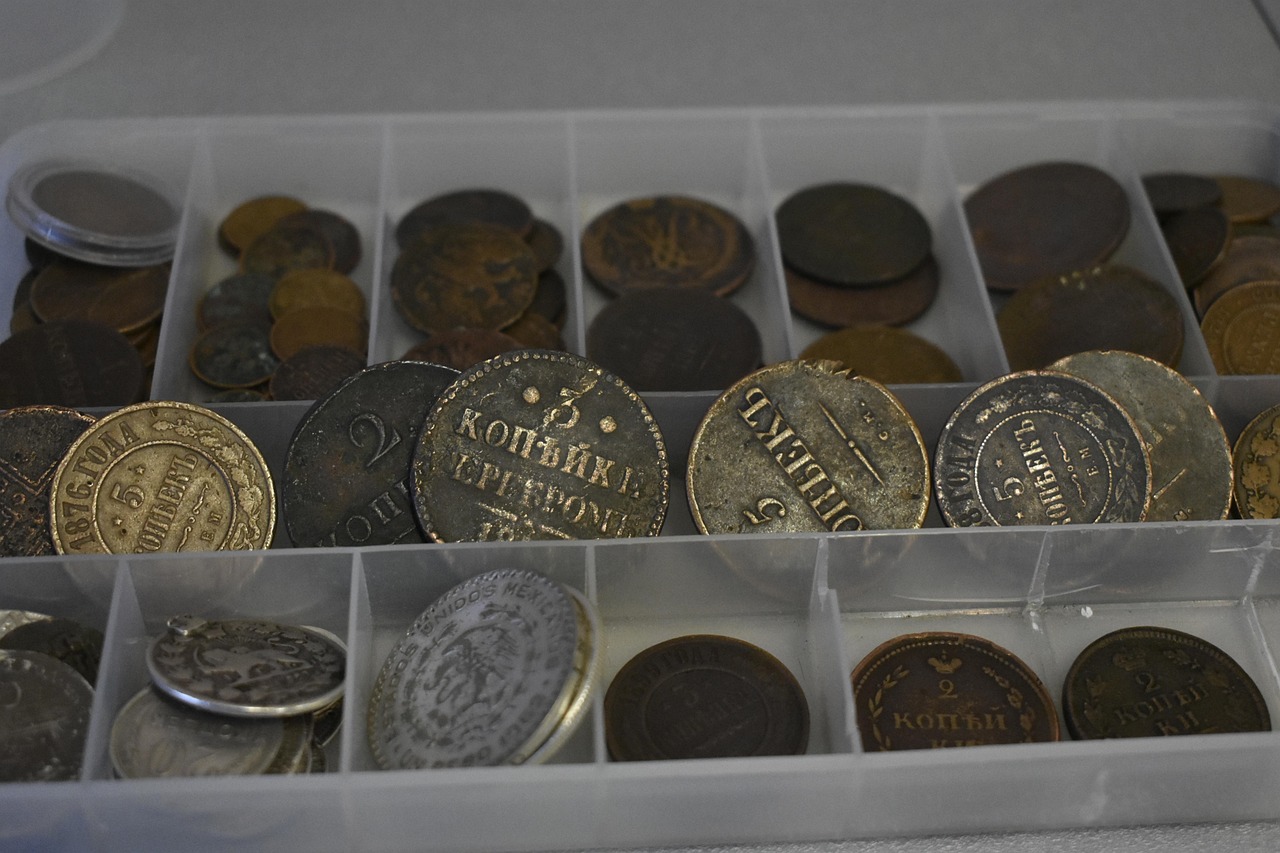
eBay and flea markets are full of sellers calling every odd-looking coin a “rare mint error.” Most are not errors, they are coins that spent decades in parking lots and washing machines. The difference between a genuine mint error and post-mint damage is the difference between a coin worth real money and one worth face value. Here is how to tell them apart without sending every odd coin to PCGS.
Key takeaways
- Why People Get Excited About Mint Errors, and Why Most Are Disappointed
- What Beginners Usually Get Wrong About Error Coins
- How to Tell a Mint Error from Post-Mint Damage
Why People Get Excited About Mint Errors, and Why Most Are Disappointed
The idea of finding a factory mistake worth hundreds of dollars is powerful. News stories about the 1955 doubled die cent or the 2000-P Sacagawea mule dollar feed the fantasy. The reality is different. The US Mint produces billions of coins annually, and quality control catches most true errors before they leave the facility. What escapes into circulation tends to be minor, tiny die chips, slight off-centre strikes, or barely visible doubling worth a few dollars at most. Dramatic, valuable errors that make headlines are genuinely rare, and finding one in pocket change is extremely unlikely.
What Beginners Usually Get Wrong About Error Coins
The most common beginner mistake is assuming anything unusual-looking must be an error. Coins run over by cars, chewed by garbage disposals, buried in acidic soil, or exposed to fire all develop surface anomalies that look strange to an untrained eye. A second mistake is treating minor struck-through-grease errors or tiny die chips as significant, these are so common they add essentially no premium. The third mistake is buying “error coins” from online sellers who use dramatic lighting and exaggerated descriptions. If a seller calls a coin a “rare error” but cannot name the specific error type or reference a recognised variety guide like the Cherrypickers’ Guide, walk away.
How to Tell a Mint Error from Post-Mint Damage
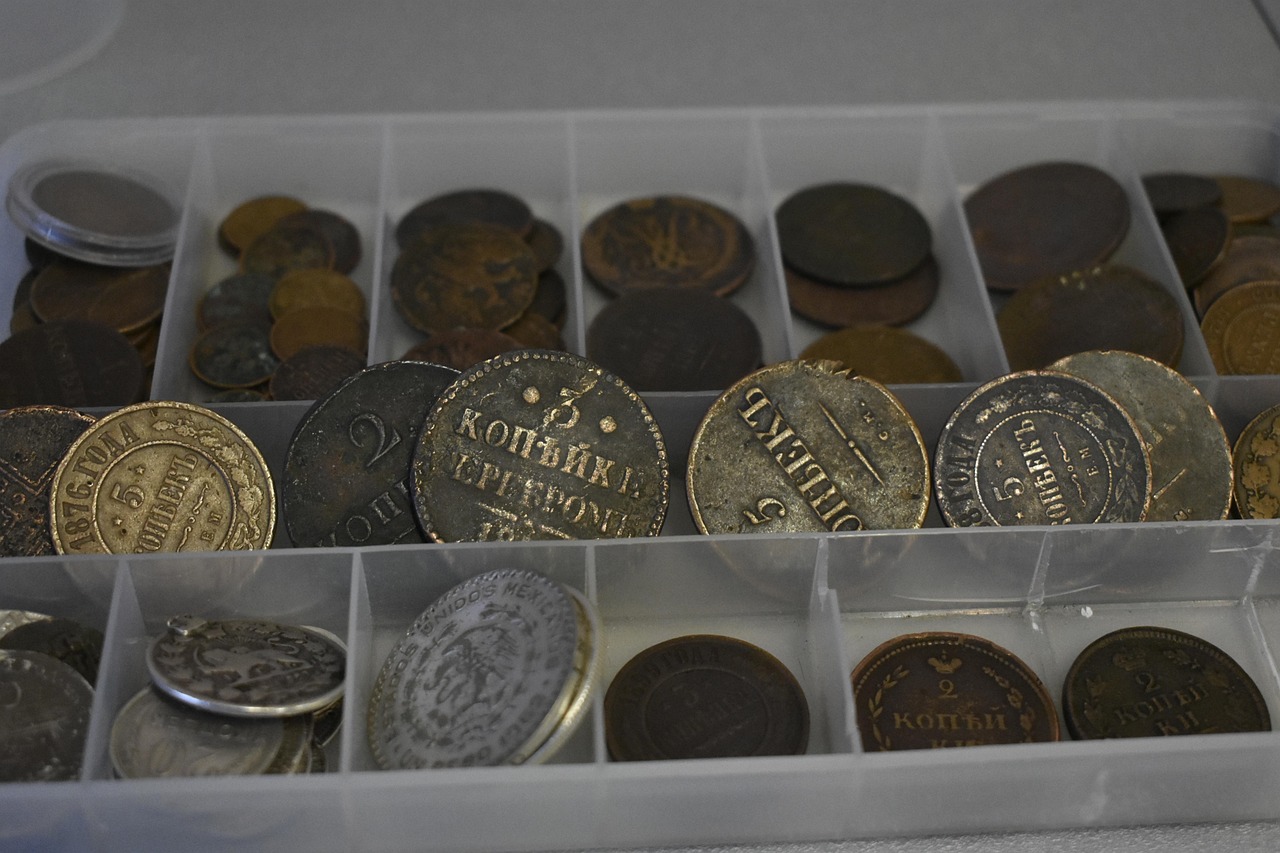
The fundamental test: did the anomaly happen during striking at the mint, or after the coin entered circulation? Genuine mint errors show metal flow lines, sharp details, and surfaces consistent with high-pressure striking between dies. Post-mint damage shows abrasion, gouging, tool marks, corrosion, or bending. Under magnification, damage reveals irregular scratch patterns or pitting that no striking process could produce.
Categories worth knowing:
- Doubled dies, genuine doubling shows split serifs and separation lines on lettering, not flat shelf-like machine doubling (a common worthless effect).
- Off-centre strikes, the blank was not seated properly in the press. If the blank outline and unstruck area are visible with smooth surfaces, it is likely genuine.
- Wrong planchet errors, a coin struck on a blank for a different denomination. A quarter on a dime planchet is obvious because the design will not fit the flan.
- Clipped planchets, a crescent-shaped missing edge section, with the Blakesley effect (weak opposite rim) confirming the clip happened before striking.
- Broadstrikes, the collar die failed, so the coin expanded outward without a rim. Genuine examples show even expansion and design to the edge.
- Cuds and die breaks, part of the die broke off, leaving a raised metal blob. Cuds show a smooth raised area with no matching depression on the other side.
Damage in contrast includes scratches from coin rolling machines, dents from being dropped, corrosion from burial, and tool marks. None of these add value, and many reduce a coin to face value.
Tools and Techniques for Checking at Home
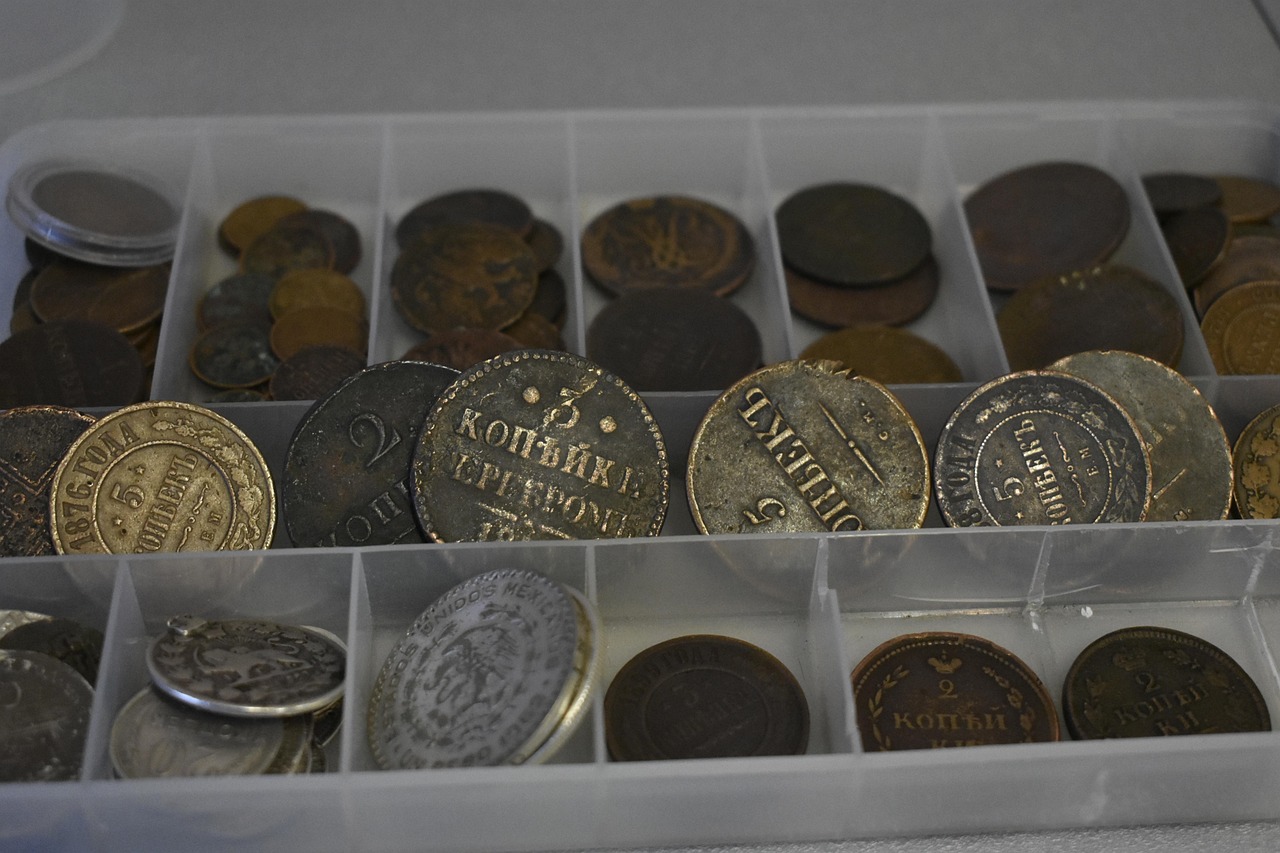
You do not need a laboratory. A 10x loupe or a basic USB microscope costing under thirty dollars is sufficient for most checks. Look for flow lines radiating outward from the centre, these are marks of the striking process, absent on damaged coins. Check whether a raised feature has a corresponding depression on the opposite side. Genuine die breaks and cuds are raised areas with no incuse counterpart; a dent that pushes metal up on one side and in on the other is post-mint damage. For doubled dies, look for notched serifs on lettering and distinct split lines, not the flat, shelf-like doubling from a loose die vibrating during striking, which is common and adds no value.
A kitchen scale measuring in grams is another useful tool. If a coin’s weight is off by more than the tolerance for its denomination, it may have been struck on a wrong planchet or be counterfeit. Reference the official mint specifications before drawing conclusions.
When It Is Worth Sending to a Grading Service
Do not send every odd coin to PCGS or NGC. Grading fees start around twenty to thirty dollars for economy service, plus shipping and insurance. If the coin would not sell for at least triple the grading cost, the economics do not work. This rule eliminates most minor errors, a tiny die chip cent is worth two dollars, not seventy.
Send a coin for authentication only when: the error type clearly matches a known variety, the coin has no obvious post-mint damage, and recent sold listings for the same error in similar condition show values well above grading costs. ANACS is a lower-cost alternative for error coins primarily being authenticated rather than graded for registry sets. For a broader guide on identifying legitimate minting anomalies, see our article on understanding coin mint marks, errors, and varieties.
Buying Error Coins Without Getting Burned
The raw error coin market is full of traps. Sellers on auction sites list damaged coins as “L@@K RARE ERROR” with blurry photos and no attribution. Before buying, ask for clear photos of both sides in natural light. Compare the coin against known varieties in the Cherrypickers’ Guide or on error-ref.com and varietyvista.com. If the seller cannot specify which variety the coin matches, treat it as a damaged coin sold at a premium, and move on.
Buy certified error coins in PCGS or NGC holders whenever possible. The premium for a slabbed error coin is real, but so is the guarantee that the coin is genuine and the error is recognised. Raw error coins from unknown sellers are the riskiest category in numismatics for beginners, and the one where the gap between asking price and actual value is often widest.
Common Red Flags That Mean Damage, Not Error
- Even, circular scratches on both sides, coin rolling machine damage, sometimes called the ring of death. Not an error.
- Pitting or rough surfaces on one side only, usually acid or chemical exposure, not a striking anomaly.
- Bent or cupped coins with no expansion, post-mint bending, not a broadstrike. Real broadstrikes show the design extending to the expanded edge.
- Missing lettering with rough surfaces in the gap, grease-filled die errors produce missing detail but leave the surface smooth. Rough, gouged gaps mean someone took a tool to the coin.
- Coins that look “melted” or “sintered”, heat damage from a fire, not a minting error. Genuine sintered planchets are extremely rare and show specific granular texture, not a blob-like melt.
Final Practical Advice
The best way to learn is to study certified examples in person. Visit a coin show where dealers have slabbed error coins you can examine under a loupe. Compare a genuine doubled die cent against a machine-doubled cent from pocket change, the difference becomes obvious once you have seen both. Online resources like error-ref.com and the CONECA website provide high-resolution images of authenticated errors. The numismatic community on forums like Coin Community Family and the PCGS message boards includes experienced collectors who can help identify what you have found, often for free.
Above all, remember that valuable errors are rare for a reason. The US Mint is a high-precision manufacturing operation, not a workshop where things go wrong daily. Approach every potential error with healthy scepticism, a loupe, and the assumption that it is probably damage, and let the coin prove otherwise.
Notes
[1] The Cherrypickers’ Guide to Rare Die Varieties (Bill Fivaz and J.T. Stanton) is the standard reference for US die varieties and error types, now in its sixth edition.
[2] Error-ref.com, maintained by CONECA members, is the most comprehensive free online resource for identifying and attributing mint errors by type.
[3] Variety Vista (varietyvista.com) provides high-resolution images of authenticated die varieties with diagnostic markers, essential for comparing suspected doubled dies against known examples.
[4] PCGS and NGC both publish population reports showing how many examples of a given error type have been certified, which helps gauge actual rarity versus perceived rarity.