
Every beginner coin collector eventually hits the same wall. They find a coin that looks a little different from the ones in their pocket change, a tiny letter they haven’t seen before, a strike that’s slightly off center, or a date that seems to have two different versions. Suddenly the coin isn’t just old pocket change. It might be something.
Most of the time, it isn’t. But understanding the difference between a mint mark, an error, and a variety is how you stop guessing and start knowing what you’re actually holding.
Related: Coin Collecting Guide for Beginners — new to collecting? Start here for the fundamentals before diving into mint marks and varieties.
What a Mint Mark Actually Tells You
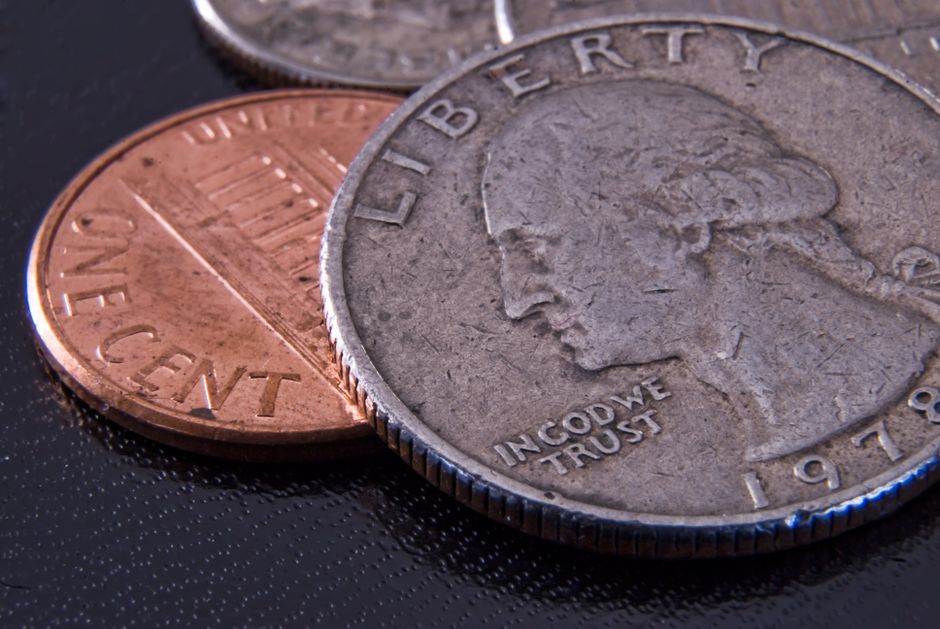
A mint mark is a small letter or symbol on a coin that indicates which mint facility produced it. It is not a grade, not an error, and not a variety. It is a location stamp.
For US coins, the most common marks are:
- P, Philadelphia (often absent on older coins; Philadelphia didn’t consistently use a P mint mark until the 1940s, and cents from Philadelphia still carry no mark)
- D, Denver
- S, San Francisco (proof coins and some business strikes before 1975)
- W, West Point (primarily bullion and commemorative coins)
On most modern US coins, the mint mark sits on the obverse, near the date on Lincoln cents or to the right of the portrait on Roosevelt dimes and Washington quarters. On older designs, placement shifts. A Morgan silver dollar has it on the reverse above the DO in DOLLAR. Knowing where to look is half the battle.
The mint mark matters because mintage numbers vary wildly between facilities. A 1950-D Jefferson nickel had a mintage of about 2.6 million, the lowest of the series, while the 1950-P (Philadelphia, no mark) was over 9 million. Same coin, same year, same design. But one mint facility made far fewer, and collectors noticed.
The Difference Between Errors and Varieties, and Why Most Sellers Get It Wrong
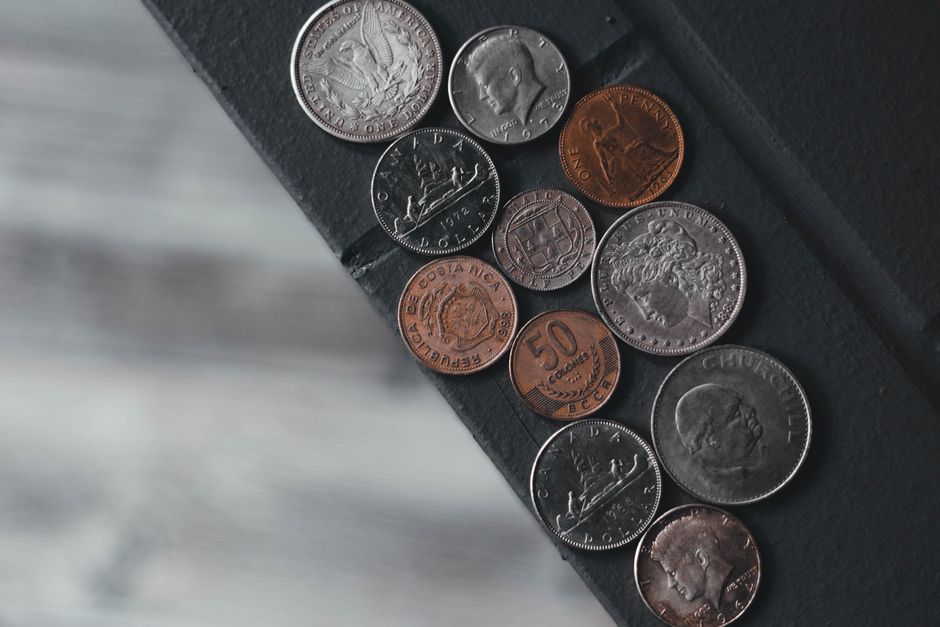
EBay listings are littered with coins labeled “error” that are not errors. A weak strike is not an error. A filled die is not an error. A coin that sat in a parking lot for six months is not an error.
Here is the distinction that matters:
An error is a mistake made during the coin’s manufacture. The planchet was wrong, the die was misaligned, or something went wrong during striking. Errors are unintentional and typically unique or limited to a small batch. Common types include off-center strikes, broadstrikes (struck outside the retaining collar), clipped planchets, die cracks, and double strikes.
A variety is a deliberate difference in the design itself, usually resulting from a different die being used. Varieties are cataloged, documented, and reproducible within a given die pair. The 1955 doubled die Lincoln cent is the most famous US variety, the obverse lettering and date show dramatic doubling that was caused by a misaligned die, not a strike problem. Every coin struck from that specific die pair shows the same doubling.
Many sellers call everything a “mint error” because it sounds more exciting. It also lets them list a damaged coin as a collectible. Don’t fall for it. If the flaw happened after the coin left the mint, a scratch, a gouge, post-mint damage from a coin rolling machine, it is damage, not an error, and it subtracts value.
Mint Marks and Rarity, When the Letter Changes the Value
Most mint marks do not make a coin rare. But when they do, the difference is usually dramatic.
The 1916-D Mercury dime is the key date of the series, with a mintage of about 264,000. A 1916 Mercury dime with no mint mark, Philadelphia, 22 million minted, is worth far less than the Denver coin. The same pattern holds: a low-mintage branch-mint coin trades at a strong multiple of the Philadelphia counterpart.
A few mint mark combinations are genuinely scarce. The 1909-S VDB Lincoln cent, the 1921-D Walking Liberty half dollar, the 1932-D Washington quarter, these are famous for a reason. But for every genuinely rare mint mark, there are a dozen common ones that sellers talk up.
Before paying a premium for a mint mark, check the mintage. The Red Book (A Guide Book of United States Coins) lists mintages for every date and mint combination. If the mintage is in the millions or tens of millions, the coin is not rare, regardless of what the listing says.
How to Identify Errors and Varieties Without Getting Fooled
The single most important tool for identifying legitimate errors and varieties is magnification. Get a jeweler’s loupe at 10x or higher. True doubled die coins show split serifs and rounded, separate impressions. Machine doubling shows a flat, smeared shelf. The difference is unmistakable once you have seen both.
For varieties, you need a reference. The Cherrypicker’s Guide by Bill Fivaz and J.T. Stanton catalogs known US coin varieties with photographs. If your coin does not match a documented variety and you cannot find it listed on a site like varietyvista.com or doubleddie.com, assume it is either damage or something too minor to carry a premium.
The Most Common Beginners’ Trap, Overvaluing What You Found
The 1943 steel cent is a perfect example. Over a billion were made. Circulated examples trade for pocket change. But new collectors see “steel,” “1943,” and “wartime shortage” and assume rarity. The steel cent is common. The 1943 copper cent, the real rarity, exists in maybe 20 known examples and last sold in six-figure territory.
The same applies to bicentennial quarters, Susan B. Anthony dollars, and wheat cents from the 1940s and 1950s. These were saved in enormous quantities. A circulated 1957-D wheat cent is worth a few cents, not a few dollars, and certainly not the prices you see on some online listings.
Before getting excited about a find, look up the mintage. If the coin was made in the hundreds of millions and you found it in change, it is almost certainly worth face value or slightly above in metal content alone.
Why Condition Determines Everything
A rare mint mark or a documented variety in poor condition is worth far less than a common date in exceptional condition. A 1909-S VDB cent with heavy wear trades around several hundred dollars. The same coin in uncirculated condition trades in five-figure territory. The spread is enormous because collectors paying serious money want coins that look like they just left the mint.
For errors, condition matters even more. An off-center strike that is 50% off center with a full date visible is worth considerably more than one with the date missing. A clipped planchet that shows a clean, curved clip is better than one with post-mint damage muddying the area. Buy the best condition you can afford, and always check whether the error or variety is clearly visible without squinting.
Related: How to Grade Coins at Home Before Sending to PCGS or NGC — once you understand mint marks and varieties, the next step is learning to assess condition yourself before paying for professional grading.
Final Practical Advice
Start with a reference book. The Red Book is the standard for US coins and costs about fifteen dollars. It has mintages, basic pricing, and photographs of major varieties. It will save you from the most common beginner mistakes.
Get a loupe. You cannot identify varieties or distinguish real errors from damage with the naked eye.
When in doubt, assume damage. Most odd-looking coins are damaged, not rare errors. If you think you have something unusual, compare it against documented varieties on varietyvista.com or doubleddie.com before spending money on grading.
Collect what interests you. Mint marks, errors, and varieties are fun to hunt because they turn a pile of change into a treasure hunt. But the coins that hold your attention longest are the ones you genuinely want to learn about, not the ones you hope will make you rich.
Related: Coin Storage Mistakes That Cost You Grade Points — and How to Fix Them — once you identify a key date or valuable variety, proper storage is what preserves its grade and value. Avoid the common mistakes that undo your hard work.
Notes
[1] Annual mintages for US coins are published in the Red Book (A Guide Book of United States Coins) and verified against US Mint production records.
[2] Cherrypicker’s Guide to Rare Die Varieties by Bill Fivaz and J.T. Stanton catalogs known US coin varieties with photographs and die markers.
[3] Online variety references: varietyvista.com and doubleddie.com provide searchable photographic databases of documented doubled dies and other US coin varieties.
🛒 RECOMMENDED FOR COIN IDENTIFICATION & PROTECTION
- 1600X USB Digital Microscope with Adjustable Metal Stand for Coin Inspection — USB microscope with 8 adjustable LED lights and a sturdy metal stand. Goes well beyond what a 10x loupe can reveal — capture split serifs, die cracks, and mint mark details at high magnification for error and variety identification. Essential for the identification workflow described in the “How to Identify Errors and Varieties” section. ~$45
- SPLF 100-Piece Coin Capsule Set with Gaskets and Organizer Box — PVC-free, airtight coin capsules with foam gaskets in a range of sizes, plus a storage box. Protects coins from handling damage, environmental exposure, and the kind of post-mint wear that “subtracts value” as this guide explains. Once you identify a key date or variety, you need to protect it immediately. ~$15
- OMOTON Adjustable Aluminum Desktop Cell Phone Stand — Stable phone holder for hands-free coin photography. When you find a potential error or variety, document it clearly before asking for opinions on forums or sending to a grading service. A steady phone beats shaky hands every time. ~$10
Disclosure: This article contains affiliate links. GrandCollector may earn a commission at no extra cost to you.