
Most diecast collections start the same way: buy what looks good on the peg, repeat until the bin overflows. A year later you’ve got 300 cars with no theme, no focus, and no sense of what you’re even building toward.
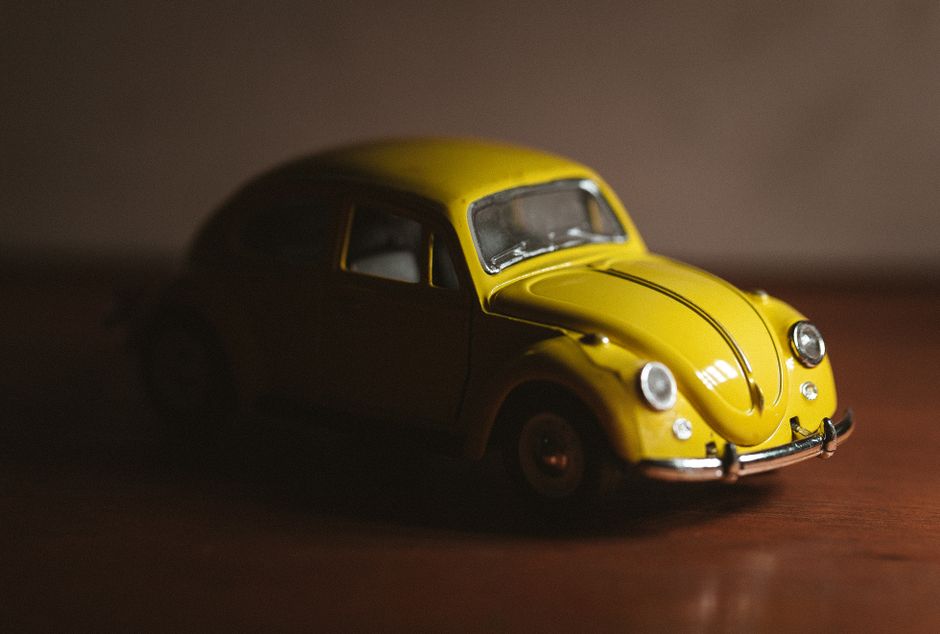
There’s another way. Pick a single casting – one car model – and go deep instead of wide. Track down every release, variation, and special edition. The collection gets smaller in total car count but richer in story. And when you eventually want to sell, a focused single-casting collection is more compelling to a buyer than a random assortment.
Why One Casting Works Better Than It Sounds
A single-casting collection forces you to learn everything about one specific model: which years it was produced, what colors were offered, which wheel variations exist, whether it appeared in premium lines or as a convention exclusive. That knowledge compounds. After six months, you know more about your casting than some of collectors who own one or two copies buried in a larger collection.
This approach also keeps spending in check. Instead of buying 20 random cars a month at $1.25 each, you might buy two specific variations you’ve been hunting – one at retail, one from a seller who listed the exact colorway you’re missing. The per-car cost may be higher, but the total outlay is lower because you’re not buying filler.
Most importantly, a single-casting collection has a finish line. There are only so many variations of any given casting. When you’ve acquired them all (or all the ones you want within your budget), the collection is complete. That’s a rare feeling in a hobby built on endless new releases.
How to Pick the Right Casting
Not every casting is worth building a collection around. Here’s what to look for:
Multiple years of production. A casting that’s been in the Hot Wheels lineup for a decade will have far more variations than one that appeared in a single premium wave and vanished. The Datsun 510 Wagon, ’67 Chevy C10, ’55 Chevy Bel Air Gasser, and Nissan Skyline GT-R (R32/R34) are all examples of castings with deep release histories across mainline, premium, and RLC tiers.
Real-world relevance. Castings of real cars – especially JDM icons, classic American muscle, and European sports cars – tend to get more releases across more lines than fantasy castings. They also appear in multiple brands: a Porsche 911 exists in Hot Wheels, Matchbox, Tomica, Mini GT, and Majorette, which gives you cross-brand hunting options if you want to expand later.
Variation depth. The best single-casting collections aren’t just “the same car in 12 different paint jobs.” They include wheel variations, base variations (metal vs. plastic), tampo changes, and card art differences. A casting where the only variation is color loses its appeal after six or seven versions. A casting where early releases had metal bases and later releases switched to plastic, where some runs had Real Riders and others had basic wheels, where a Walmart exclusive had different tampos than the international release – that’s a casting with enough depth to sustain a collection.
Personal connection. You’re going to spend a lot of time looking at, researching, and hunting this one car. If you’re not genuinely interested in the real vehicle – if you don’t care about Datsun 510s or you’ve never been excited about a ’32 Ford – pick something else. The collection needs to hold your attention when the hunt slows down.

Building the Collection: Where to Hunt
Retail pegs will give you current mainline releases. That’s the easy part. The harder part is tracking down releases from 5, 10, or 15 years ago that only appeared in specific cases or premium lines.
eBay saved searches are your primary tool. Set up a search for the casting name plus keywords like “variation,” “error,” “prototype,” or specific color names you’re missing. Check it weekly.
Diecast shows and swap meets are where you’ll find the oddball releases that don’t show up online. A collector who bought a convention exclusive in 2012 and forgot about it might have it in a box at a show, unpriced, simply because nobody’s asked about that specific casting in years.
Online collector groups – dedicated Hot Wheels facebook groups, the r/HotWheels subreddit, and forums like Diecast Garage – are good for both finding cars and learning which variations actually exist. Someone in a group will post a wheel variation you didn’t know existed, and suddenly your hunt list has one more entry.
International sellers matter if your casting had region-specific releases. Hot Wheels distributes different case assortments to different markets. That colorway you can’t find in the US might be sitting on a peg in Malaysia or Germany. International shipping costs sting, but for the right missing piece, it’s worth it.
Documenting and Displaying
Keep a list. It sounds obvious, but most single-casting collectors eventually hit a point where they can’t remember whether they already own the 2018 yellow release with the 5-spoke wheels or only the 2019 metallic gold with 10-spokes. A simple spreadsheet with year, series, color, wheel type, and where you acquired it prevents duplicate purchases.
Display matters because a single-casting collection is a visual story. Lined up on a shelf in chronological order, the progression tells you something: when the casting got its first premium release, when the base material changed, when a new wheel design was introduced. A wall-mounted display case with individual compartments works well, as does a tiered acrylic riser that lets you see every car at once.
What This Costs
Mainline releases of most castings run $1-3 on the secondary market for common colorways, sometimes more for desirable first-year releases. higher-priced releases (Car Culture, Fast & Furious, Team Transport) typically run $6-15 loose or carded, depending on popularity. RLC and convention exclusives are the budget-killers – those can hit significant premiums depending on the casting and production numbers.
A complete collection of a well-established casting with 30-50 known variations might cost anywhere from a couple hundred dollars for a less-hyped casting to several thousand for something like the Datsun 510 or Skyline family. The good news: you don’t have to spend it all at once. The hunt is the point.
Related GrandCollector guides: For understanding grading standards that apply to diecast packaging and condition, see our guide to collectible grading. For a similar focused-collection strategy applied to a different hobby, read how to start a LEGO investment portfolio.
Notes
[1] The Hot Wheels Wiki maintains casting-specific pages that track release years, series appearances, and known variations. It’s not perfectly complete for every casting – some obscure variations are documented only in forum posts or collector spreadsheets – but it’s the best free starting point for building your hunt list.
Beware of customs and repaints listed as “variations.” If someone took a mainline car, stripped the paint, and resprayed it, that’s a custom – not a variation. Real factory variations come from Mattel (or whichever brand produced the casting). Always check against official release records before paying a premium for a “rare color” that turns out to be someone’s garage project.
Sources:
Hot Wheels Wiki casting database: https://hotwheels.fandom.com
Diecast Garage forum for collector discussions: https://www.diecastgarage.org
eBay sold listings for secondary market pricing
Reddit r/HotWheels for variation-spotting and collection photos