

Inheriting a bin of mixed LEGO bricks alongside a stack of instruction booklets sounds like a fun afternoon. It can turn frustrating fast. Thousands of loose pieces, a dozen half-built sets, and no clear idea what is actually there. A parts inventory fixes that. It tells you which sets are complete, which are missing pieces, and what the collection is really worth if you plan to sell it. You do not need special tools: sorting, the instruction booklets you already have, and a simple record-keeping method are enough.
Key takeaways
- Why a Parts Inventory Matters
- What Beginners Usually Get Wrong
- How to Sort Before You Count
Why a Parts Inventory Matters
An inherited LEGO collection is only as useful as your knowledge of what is inside it. A bin of loose bricks could contain the bulk of several retired sets, or a random mix with no complete set in sight. You cannot tell by looking. Counting and matching pieces against set parts lists turns guesswork into a factual record.
The record matters for three reasons. First, it tells you what you can build right now without buying anything. Second, it shows exactly which pieces are missing from the sets you do have, so you know what a parts order would cost. Third, if you plan to sell, an accurate inventory is what lets you price a collection honestly instead of dumping it as a bulk lot at a discount. Buyers respond to a list of complete sets far better than to a photo of a mixed bin.
What Beginners Usually Get Wrong
The most common mistake is counting before sorting. Trying to tally pieces straight out of the bin produces a mess: you double-count, you miss pieces hidden under others, and you end up with numbers you cannot trust. Sorting first feels like extra work, but it is what makes the count reliable.
The second mistake is assuming every inherited piece belongs to a set you can identify. Many collections are topped up with spare bricks from other sources. Matching what you can against instruction booklets is useful, but the leftovers are normal, not a sign that pieces are missing from every set. The third mistake is skipping the written record. Keeping the numbers in your head works until you set the bin down, and then the inventory is gone.
How to Sort Before You Count
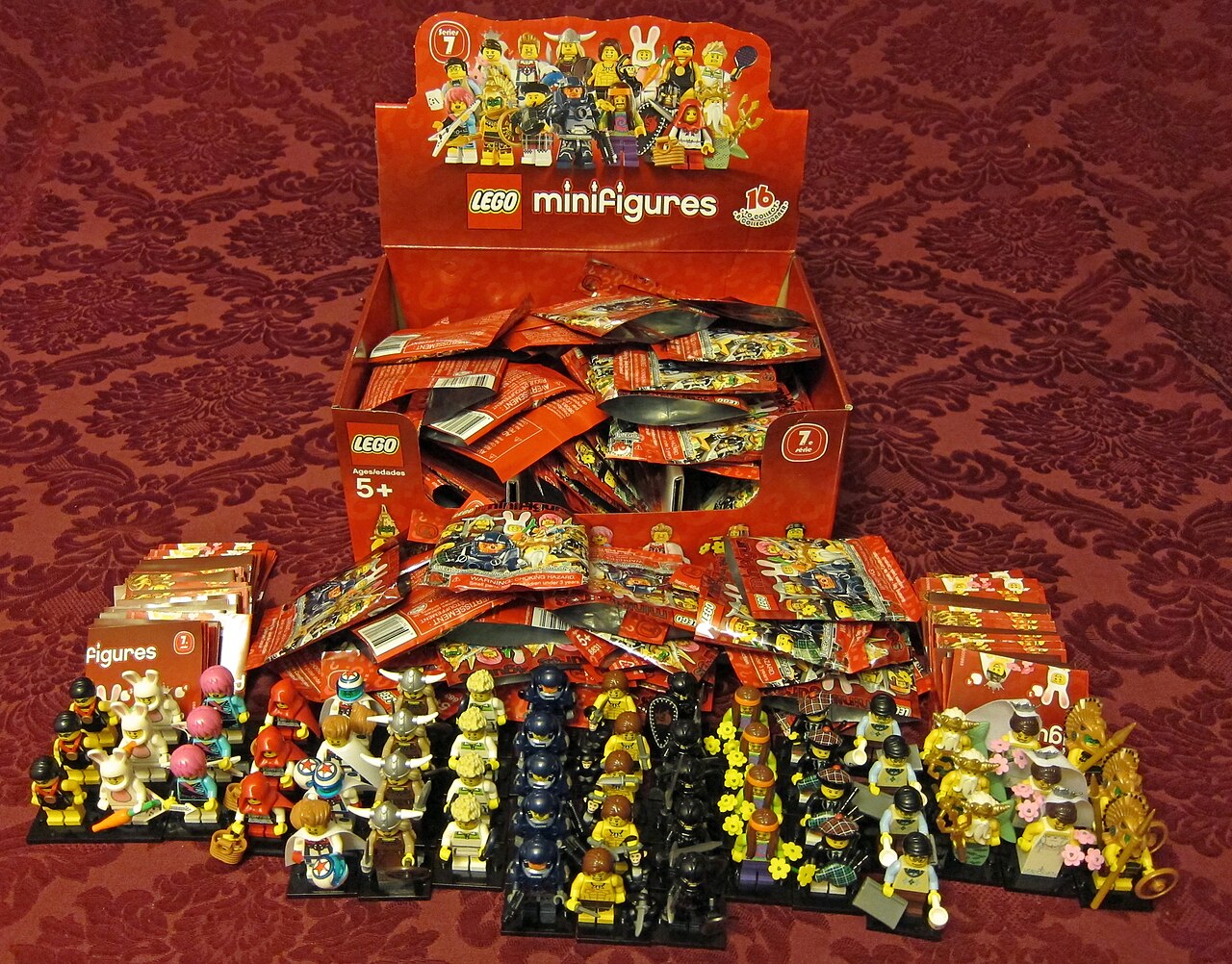
Sorting by colour and type is the foundational first step for any mixed LEGO collection. Start with the broadest division: separate standard bricks from minifigures and their accessories, plus any special parts such as wheels, plates, and large baseplates. Minifigures are worth recording on their own because they are often the most valuable part of an old collection, and their accessories get lost easily.
Within the standard bricks, sort by colour first, then by shape. A full colour-and-type sort is the gold standard, but a colour sort alone is enough to start counting in most bins. Use trays, cups, or the box itself divided into sections. The goal is not a beautiful display; it is a layout where every piece is visible so the count is honest.
For the inventory itself, each unique part and colour combination should be counted separately. A red 2×4 brick and a white 2×4 brick are different lines in the record even though the mould is the same. This level of detail is what lets you match against official set parts lists without guessing.
How to Identify the Sets You Inherited
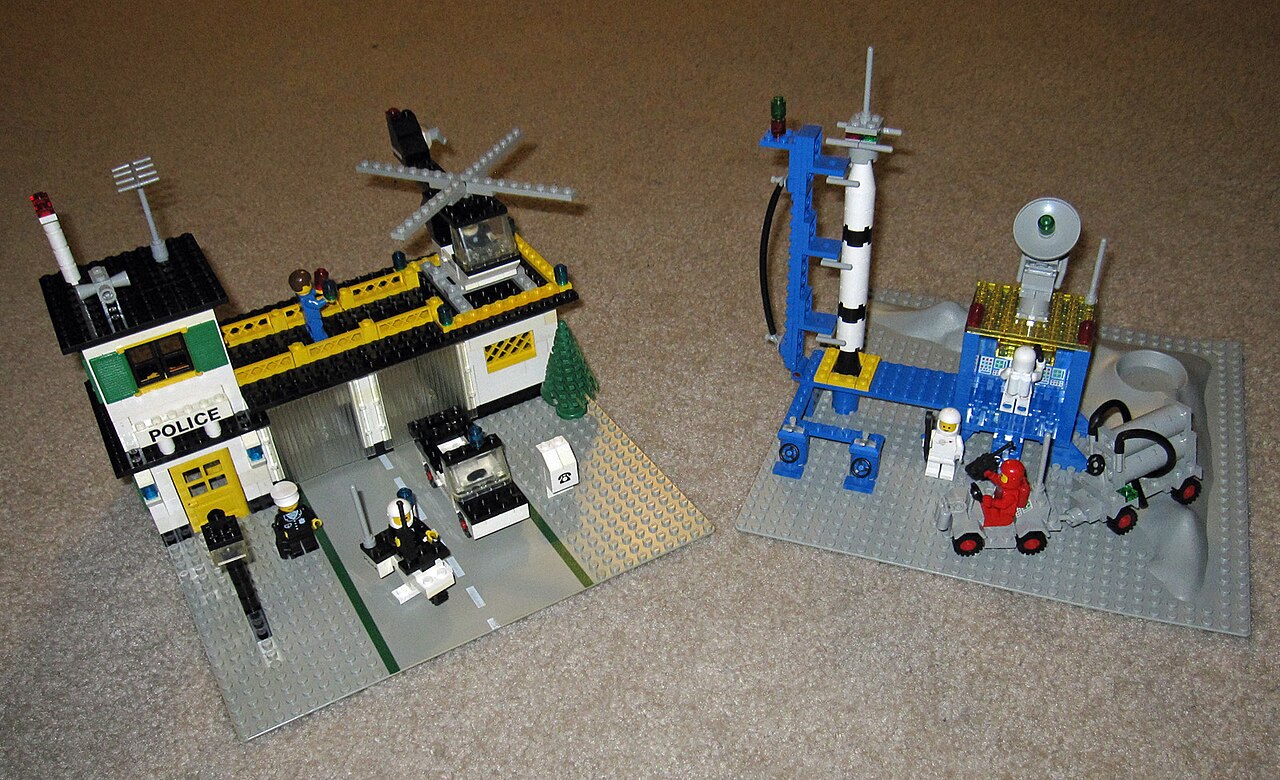
Instruction booklets are your best starting point. Most LEGO instructions include a parts list, and the set number appears on the cover and on the first page. Match the booklet to the bricks in front of you: if the colours and unusual parts from that set show up in your sorted piles, the set is a strong candidate for being partly or fully present.
When you identify a set, record which pieces you have for it as you go. This is where the count becomes valuable. Comparing the bricks you actually have against the set’s official parts list shows the missing pieces clearly, and it stops you claiming a set is complete when it is not. Older or second-hand booklets may lack a full parts list; in that case, use the set number and look up the parts list online.
How to Record the Inventory
Paper and a pen work. A spreadsheet works better, because you can sort, total, and revisit the record as you add or remove pieces. For most inherited collections, a simple table with columns for set number, piece description, colour, and quantity is all you need. No specialized inventory software is required, whatever the collecting forums suggest.
Write the record as you count, not after. Mark each sorted pile off as you finish it, and keep the counts for each identified set separate from the general spare tally. If you inherit several sets at once, one row per set with a running total of matched pieces makes the completeness picture obvious at a glance.
Community-run online databases that catalogue LEGO parts and sets can help with cross-referencing. They are optional reference tools, not official sources, and their coverage of older sets varies. Treat them as a way to check a part number or confirm a set contents list, not as a guarantee of what your specific bin contains.
What to Do With the Results
Once the inventory is done, you can make real decisions. Complete sets can be kept, built, or sold as sets, which almost always beats selling the same pieces loose. Sets missing a handful of pieces are candidates for a small parts order, and the inventory tells you exactly which parts to look up. Mixed spares that match no set are still useful: building material for MOCs and spare-part stock for repairs.
If you are selling, the inventory becomes your listing. A collection described set by set, with condition noted honestly, attracts better buyers than a mystery bin. If you are keeping everything, the record prevents duplicate purchases. Either way, the hour or two of sorting pays for itself. For more on valuing and selling the results, see our guide to starting a LEGO investment portfolio without hype-driven mistakes.
Common Mistakes to Avoid
Do not count pieces you have not sorted. Do not record a set as complete because the box is present; the parts list is the authority. Do not skip minifigures or record them as generic bricks, because their identity and accessories matter if you sell. Do not mix the instruction booklets as you work, since they are the key to matching pieces to sets.
One more trap: do not let the process stall on the unknown pieces. Leftovers that match no identifiable set are normal in inherited collections. Record them as spares, keep moving, and the inventory stays useful instead of perfect.
Final Practical Advice
Start with one bin and finish it before opening another. Sort by colour and type, separate the minifigures, match pieces against the instruction booklets you inherited, and write the counts down as you go. When you hit a set you cannot fully identify, use its set number and a community part database to fill the gaps. If the collection includes complete or near-complete sets, keep them together; if you decide to sell, sell by set rather than as one mixed lot. For the broader questions of handling second-hand LEGO, our guide to LEGO minifigure collecting, rarity, and avoiding fakes covers the pitfalls in that corner of the hobby.
An inherited bin of bricks is rarely as random as it looks. With a sorted count and a written record, you will know exactly what you own, what is missing, and what it is worth selling as sets versus spares. That knowledge is the difference between a box of plastic and a collection.
Notes
[1] LEGO instruction booklets typically include a parts list, and the set number appears on the cover and first page, which lets inherited bricks be matched to specific sets.
[2] Community-run online databases catalogue LEGO parts and sets and are widely used for cross-referencing; they are optional reference tools, not official LEGO sources.
[3] Sorting bricks by colour and type before counting, and recording each unique part and colour combination separately, is standard practice for inventorying mixed LEGO collections.