

You don’t need a wall of glass cases to keep a small diecast collection safe. A compact enclosed display with a proper lid, a spot away from direct sun, and a few simple materials will block most dust and the worst of the sunlight. The plan below keeps the build small, the costs low, and the cars protected.
Why a Small Enclosed Display Makes Sense
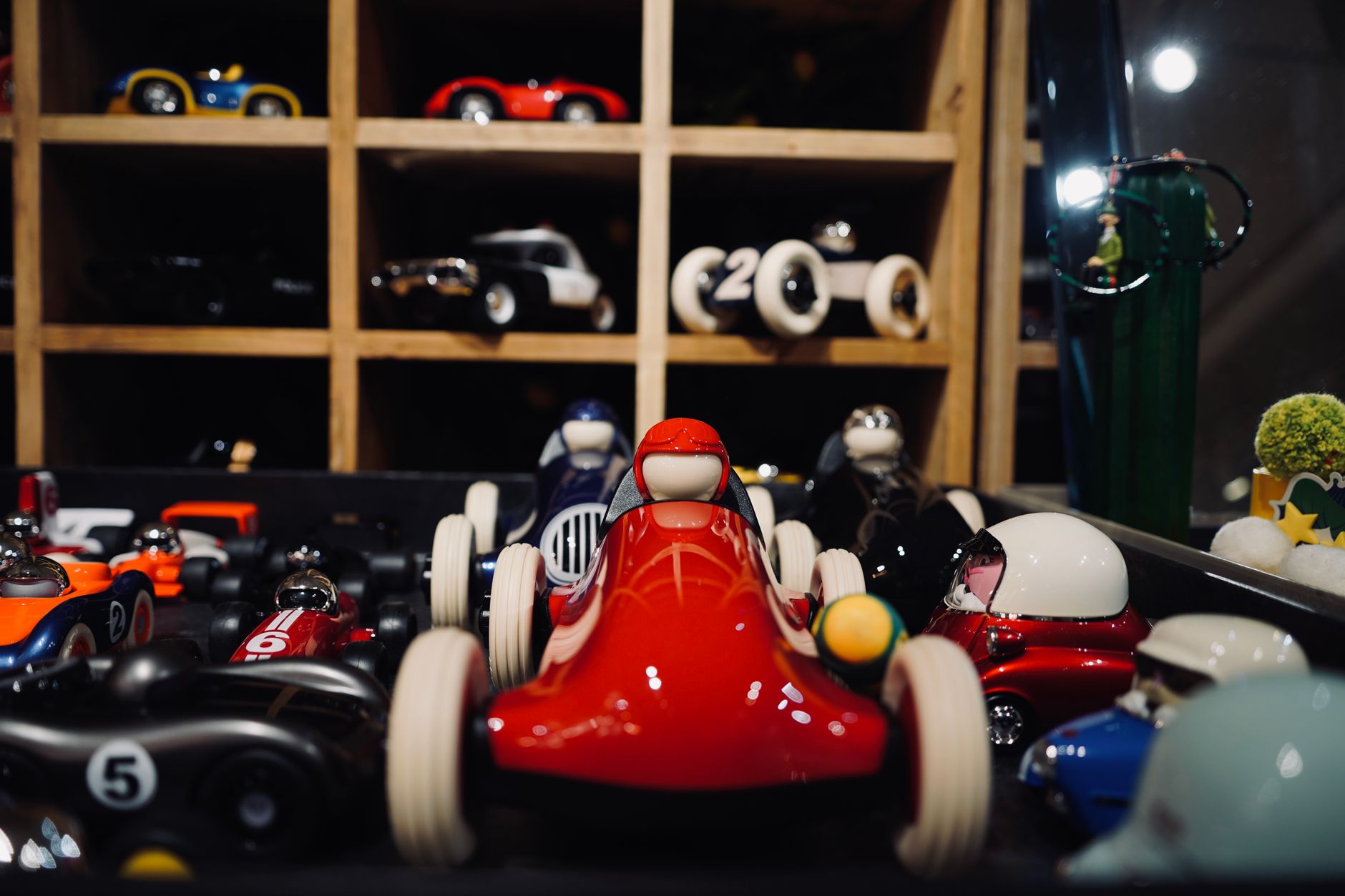
Diecast paint and plastic parts are the first things to suffer on an open shelf. Sunlight fades paint and can make plastic and vinyl parts degrade over time, while airborne dust settles on every horizontal surface [1]. A small enclosed case solves both problems at once because a physical barrier between the models and the room stops dust from reaching them [2].
You also get a display that takes up less space. A single shelf unit with a lid can hold a focused collection of ten to twenty models without turning the room into a showroom. That matters when the display has to live on a desk, a shelf, or a corner of a bedroom.
What Beginners Usually Get Wrong
The most common mistake is buying the case first and thinking about placement second. A display that looks great in the shop can sit in a patch of direct sunlight for six hours a day, which defeats the whole point. Sun exposure and dust control are placement problems as much as they are case problems.
Another mistake is assuming any closed box will do. A display without a proper lid or door still lets dust in through gaps, and a case made from ordinary acrylic or glass blocks less UV than a model owner might expect [3]. Cheap shelving units with open fronts protect almost nothing.
Beginners also overfill the display. Packed rows look impressive in photos but make the models harder to handle, and every time a car is squeezed past its neighbour you risk a scratch or a knocked-off mirror.
Choose the Size and Position First
Measure the space before you buy anything. Record the width, depth, and vertical clearance of the spot where the display will sit, and leave room to open the lid or door fully. A display that fits the shelf but can’t open properly is a trap.
For placement, keep the case away from direct sunlight. An interior wall, a north-facing side of the room, or a spot that never receives strong afternoon sun cuts UV exposure sharply [4]. If the room has a window facing the display, a curtain or blind that can be closed on sunny days does the job for free.
Pick a Case with a Real Dust Seal
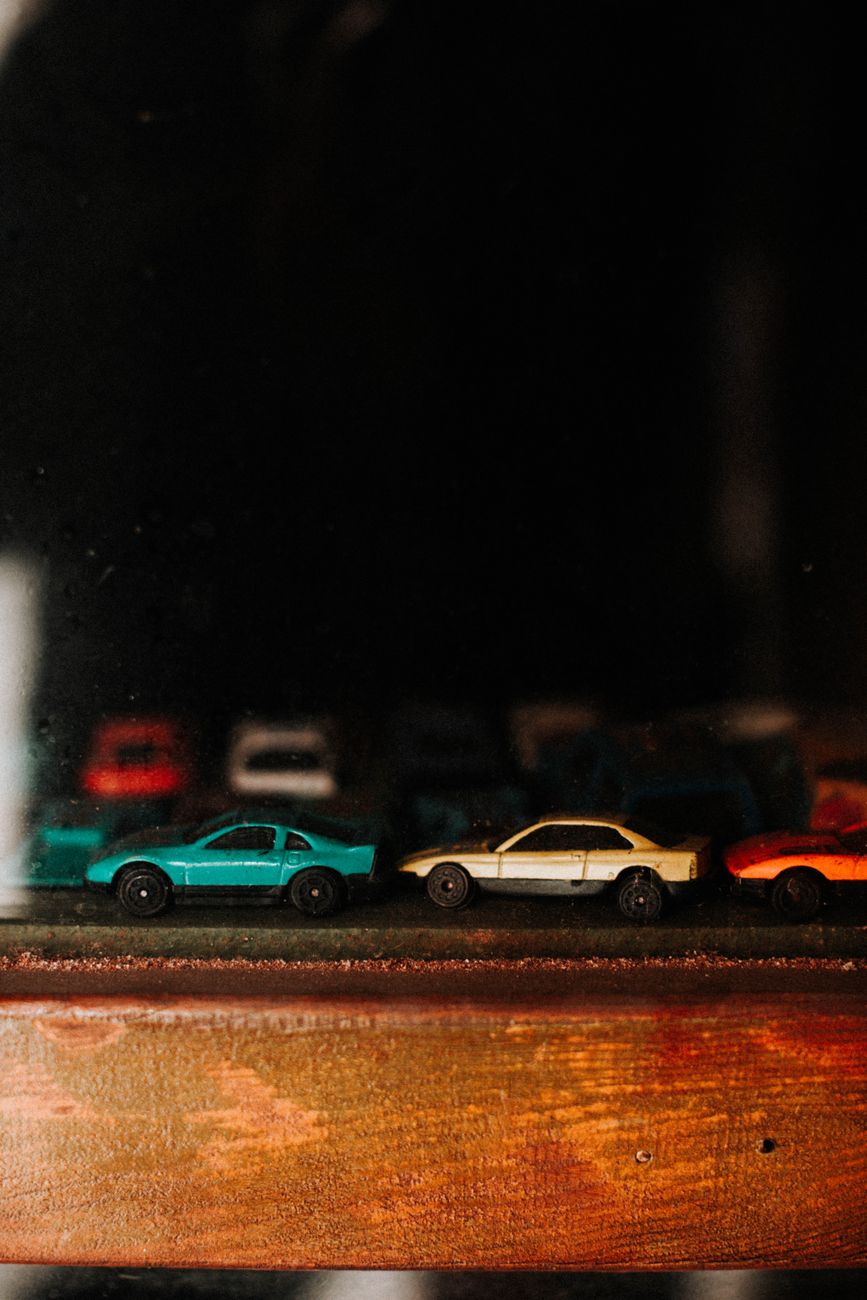
The case itself needs three things: a lid or door that closes properly, panels that fit without wide gaps, and a material that blocks UV. A hinged or removable lid is the practical option for a small display because it keeps the seal closed while still letting you reach the models when you need to [5].
UV-filtering acrylic or glass panels block a significant share of ultraviolet radiation, which helps slow paint fading [3]. Plain glass and ordinary acrylic still filter some UV but pass more of it through, so if the display will sit in a bright room, a UV-filtering panel is worth the small extra cost.
You don’t need a custom build. A clear acrylic case with a fitted lid, a glass-fronted display box, or even a repurposed cabinet with a sealable door all work, as long as the openings close properly and the panels are intact.
Set Up the Interior Without Hiding the Cars
Keep the layout simple. Leave space between models so each car can be lifted out without touching its neighbour, and arrange the rows so the cars you handle most are easiest to reach.
Soft materials under the models reduce the risk of scratches and vibration damage. Felt pads, thin foam sheets, or a fabric liner on the shelf surface give the models a gentle base and stop them sliding when the lid is opened or closed [6].
Watch what you put inside the case. Some plastics, adhesives, and fresh paints release gases that can form a haze on model paint and clear windows over time [7]. If you add risers, signage, or display props, use stable materials that have been out of their packaging long enough to stop smelling.
Lighting That Doesn’t Add Heat or UV
If the display needs light, keep it simple. LED strips produce very little ultraviolet and generate far less heat than older bulbs, which reduces both fading risk and thermal stress on the models [8]. Incandescent and halogen lamps run hotter and put out more UV, so they are a worse choice inside an enclosed case.
Mount the LED strip on the inside top or front edge, away from direct contact with the models, and keep the wiring tidy so the lid still closes properly. A battery-powered strip avoids cable holes that would break the dust seal.
Maintenance That Keeps the Seal Working
A display only protects while the seal holds. Wipe the panels with a soft dry cloth when dust builds up, check the lid fit every so often, and don’t leave the lid open for hours while you rearrange. Related: Diecast Car Storage and Display Guide covers the wider storage picture, and keeping diecast paint, windows, and wheels safe during display cleaning explains safe cleaning habits.
If a model stays in the display long-term, rotate a few cars now and then so the same side isn’t always facing the light, and keep the display away from radiators and vents that push warm, dusty air.
Common Red Flags in Display Planning
- A case bought before the spot is measured or the light direction is checked.
- An open-front shelf treated as a dust solution.
- Panels with visible gaps or a lid that doesn’t seat properly.
- Models packed so tightly that handling one risks another.
- Halogen or incandescent lighting inside an enclosed case.
- Freshly painted or strong-smelling props placed inside the display.
Fix those six issues and a small display will protect the cars it holds for years.
Final Practical Advice
Start small and honest. One sealed case, a felt liner, and a spot out of direct sunlight will protect a modest collection better than an ambitious open display in a bright room. Add models slowly, keep the layout loose, and check the display twice a year for dust build-up, lid fit, and any fading.
The goal is not to build the biggest case in the room. It is to build one that keeps the cars you own safe, visible, and easy to enjoy.
Notes
[1] Sunlight and UV exposure can fade painted surfaces and degrade plastic and vinyl parts on diecast models over time, a well-established concern in collection care.
[2] A sealed enclosure provides a physical barrier against airborne dust, which is why enclosed display cases reduce dust accumulation on model surfaces.
[3] UV-filtering acrylic and glass are designed to reduce UV transmission and are commonly used in framing and display cases for light-sensitive items.
[4] Sunlight intensity is lower along interior walls and in shaded orientations, so placement away from windows reduces UV and thermal stress on the display.
[5] Hinged and removable lids are common display-case designs that allow access while maintaining a dust seal when closed.
[6] Soft surfaces such as felt pads and foam reduce friction and absorb impact, protecting a model’s finish from scratches and vibration.
[7] Outgassing from some plastics, adhesives, and paints can condense inside enclosed displays and leave a haze on model paint and clear parts.
[8] LED lighting emits very little ultraviolet radiation and less heat than incandescent or halogen bulbs, making it safer for light-sensitive collectibles.