

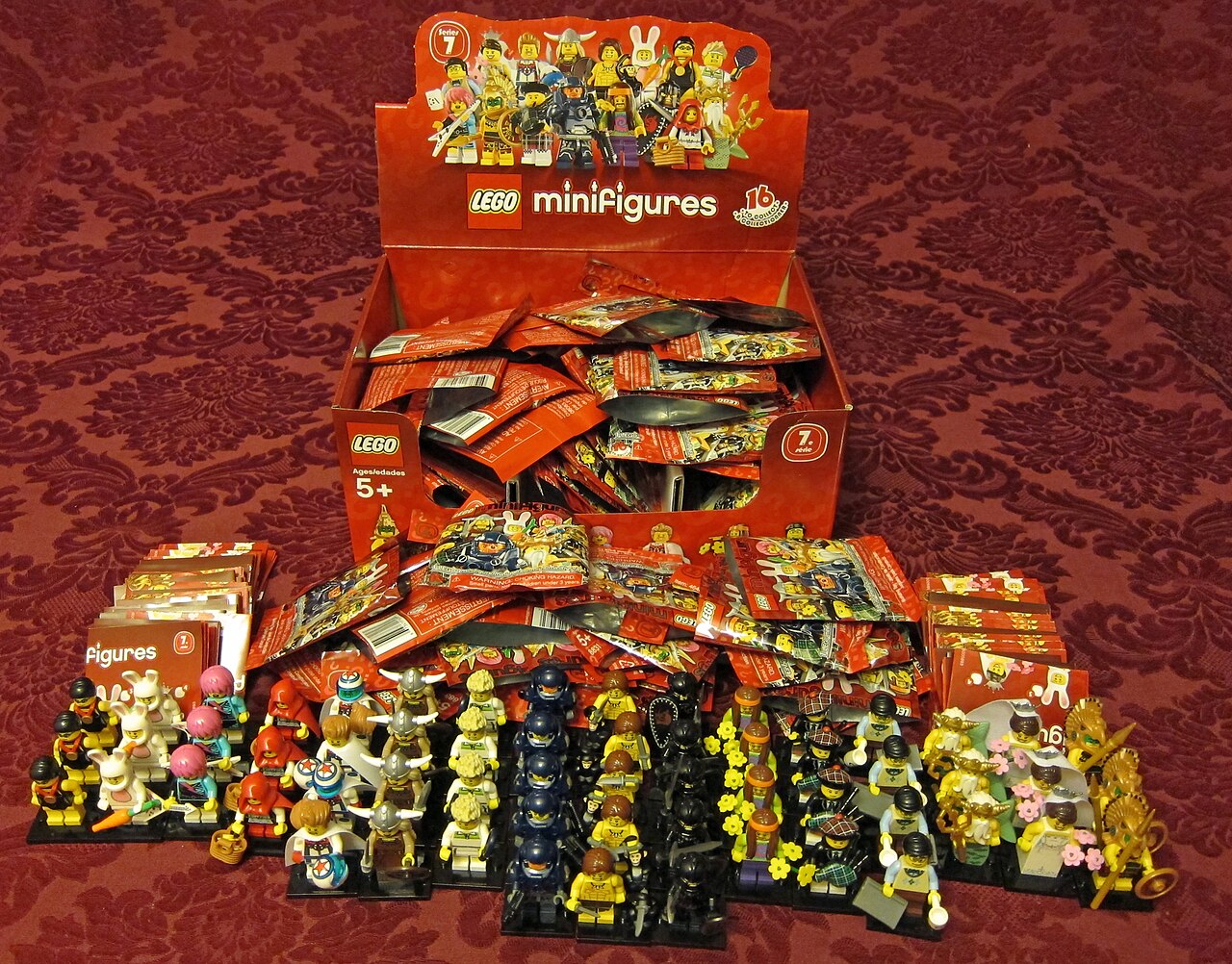
When storage is tight, keeping every LEGO box is usually the wrong goal. The better question is whether each box has a clear job in your collection. Keep packaging that supports storage, display, documentation, or personal enjoyment. Flatten, nest, photograph, or recycle the rest according to the condition you are willing to accept. A box isn’t automatically worth keeping just because it came with a LEGO set.
Key takeaways
- Why LEGO boxes are difficult to manage
- What collectors often get wrong
- Use a purpose-based keep-or-discard test
Why LEGO boxes are difficult to manage
LEGO boxes are awkward because they contain a lot of air compared with the bricks inside them. A collection can grow quickly while the sets themselves fit into drawers, bins, or display cabinets. The empty packaging then becomes the main source of clutter.
Boxes can still matter. They preserve the artwork, set identification, and memory of how a set arrived. Some collectors enjoy a complete package; others care more about the built model, loose parts, minifigures, or a tidy room. Neither approach is automatically more correct.
If a box occupies room that could hold the set, spare parts, instructions, or another item you actively enjoy, it needs to justify that space. This is a collecting decision, not a test of seriousness.
What collectors often get wrong
The first mistake is treating every box as equally important. A box for a favorite set may have a purpose, while packaging for a set you no longer display may only take up room. Applying one rule to both creates clutter.
The second mistake is deciding during a rushed cleanout. If the box is damaged, empty, and hard to identify, discarding it may be easy. If it belongs to a meaningful set, a rushed decision can create regret. A short sorting process separates useful packaging from packaging kept through habit.
The third mistake is assuming a box must stay perfect to be useful. For some collectors, the artwork and identifying details are enough. For others, creases, fading, or softened corners make it unsuitable for display. Decide what condition matters before choosing a storage method.
Use a purpose-based keep-or-discard test
Pick up one empty box and name its purpose. If you cannot name one, it is a strong candidate for reduction. A useful purpose can include:
- Storage: The box protects a model or groups related parts when the set is not on display.
- Display: The artwork or package design is part of the way you want to present the collection.
- Documentation: The box helps you identify the set, organize instructions, or record what you own.
- Sentimental value: The packaging connects to a gift, event, childhood memory, or favorite building experience.
- Future flexibility: You expect to move, rebuild, or reorganize the set and want the packaging close at hand.
One purpose is enough if it is genuine. If the only reason is that throwing it away feels uncomfortable, place the box in a temporary decision pile instead of letting it return to permanent storage.
Reduce volume without making a rushed decision
Flattening cuts the footprint most directly, but it changes the box. Open glued or folded edges only when you accept possible creases or wear. Do not force a box that resists handling.
Nesting is another option. Smaller boxes can fit inside larger ones, allowing one labeled group to occupy less space. Keep the arrangement dry and stable, and avoid packing it so tightly that corners crush.
You can also keep a selected sample. Retain packaging for favorite themes, major builds, gifts, or sets that you display. For the rest, photograph the front, side panel, and identifying information before recycling the cardboard. This preserves a record without preserving the full volume.
Protect the boxes you choose to keep
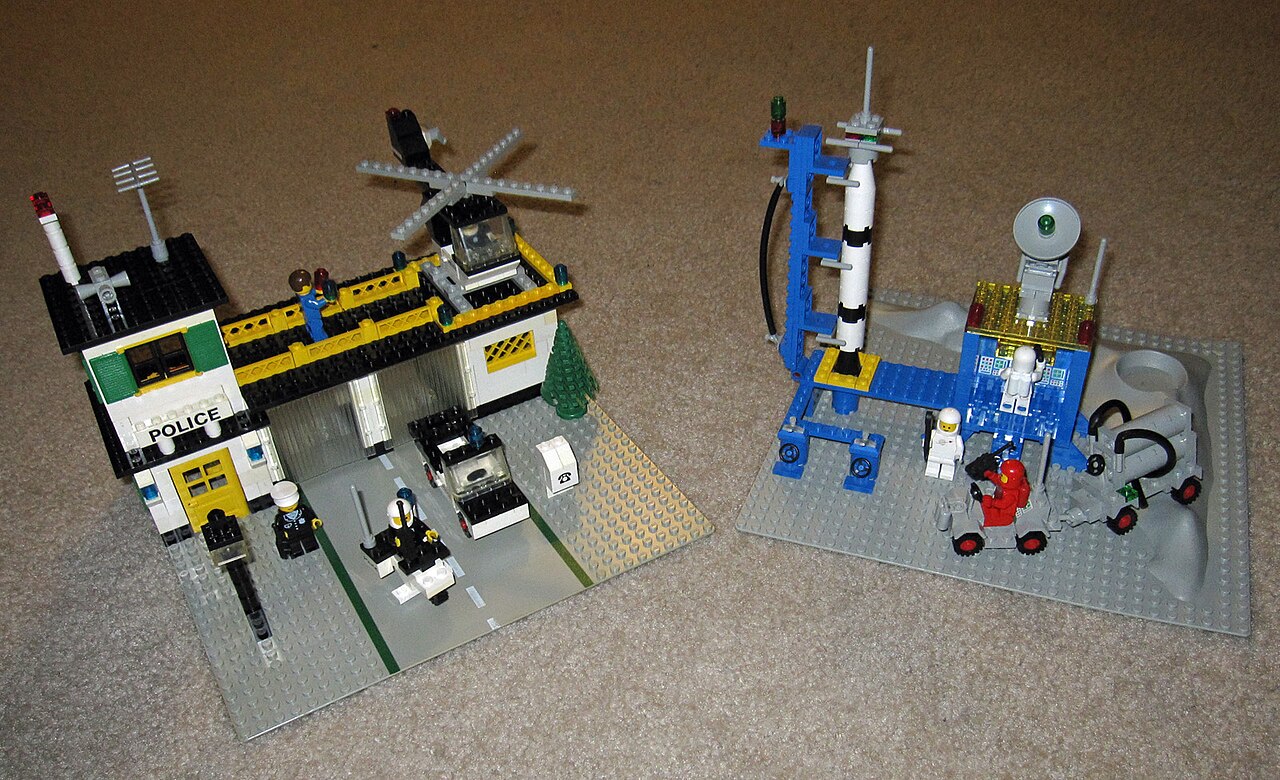
Storage choices matter more than elaborate equipment. Use a clean shelf, sturdy file box, or correctly sized storage container if it supports the packaging without forcing the shape. Keep the system easy to inspect, because hidden crowding and crushed corners are usually the first signs that the storage plan is not working. [2]
Separate boxes from loose bricks, food, drinks, and materials that shed dust or oil. Do not place heavy bins on top of them. If a box has already softened or developed a musty smell, isolate it from cleaner packaging while you decide what to do. The goal is to prevent one poor storage area from affecting the rest of the collection.
Labels make a compact system easier to use. Record the set name or number without opening every nested box. If you use a digital inventory, connect the photograph to the same record as the set and its instructions.
Document before you let a box go
Photographing a box takes little space and preserves details that are easy to forget. Capture the main artwork, the set identifier, and any panel that distinguishes it from another package. Write down where the box belongs, especially if several sets share a theme or similar design. [3]
Before recycling, remove anything you still use, such as a label, instruction reference, or packing insert. Do not preserve every scrap automatically. The same purpose-based test applies to the contents inside the box.
A simple sorting system for a crowded collection
Sort the boxes into three groups: keep assembled, reduce or nest, and document then recycle. Set the groups out clearly and work in a small batch instead of emptying the entire collection at once.
- Start with boxes that are damaged, duplicated, or unrelated to sets you still own.
- Move favorite or meaningful sets into the keep group.
- Place uncertain boxes in the reduce group and decide whether flattening or nesting is acceptable.
- Photograph the boxes leaving the collection and record their identifying details.
- Store the keep group in a location with enough support and room for safe handling.
Review the result after the space has been clear for a little while. If you never look for a box or use it for storage, that is useful information for the next sorting session.
Common red flags in box storage
Watch for dampness, insect activity, crushed corners, unstable stacks, and boxes pressed against exterior walls. These conditions can make packaging deteriorate and put nearby LEGO parts or instructions at risk. A crowded shelf is not efficient if nothing can be removed cleanly.
Also watch for emotional over-collection. Keeping one box because it matters is different from keeping dozens because deciding feels difficult. A temporary holding area and a photograph can help.
Final practical advice
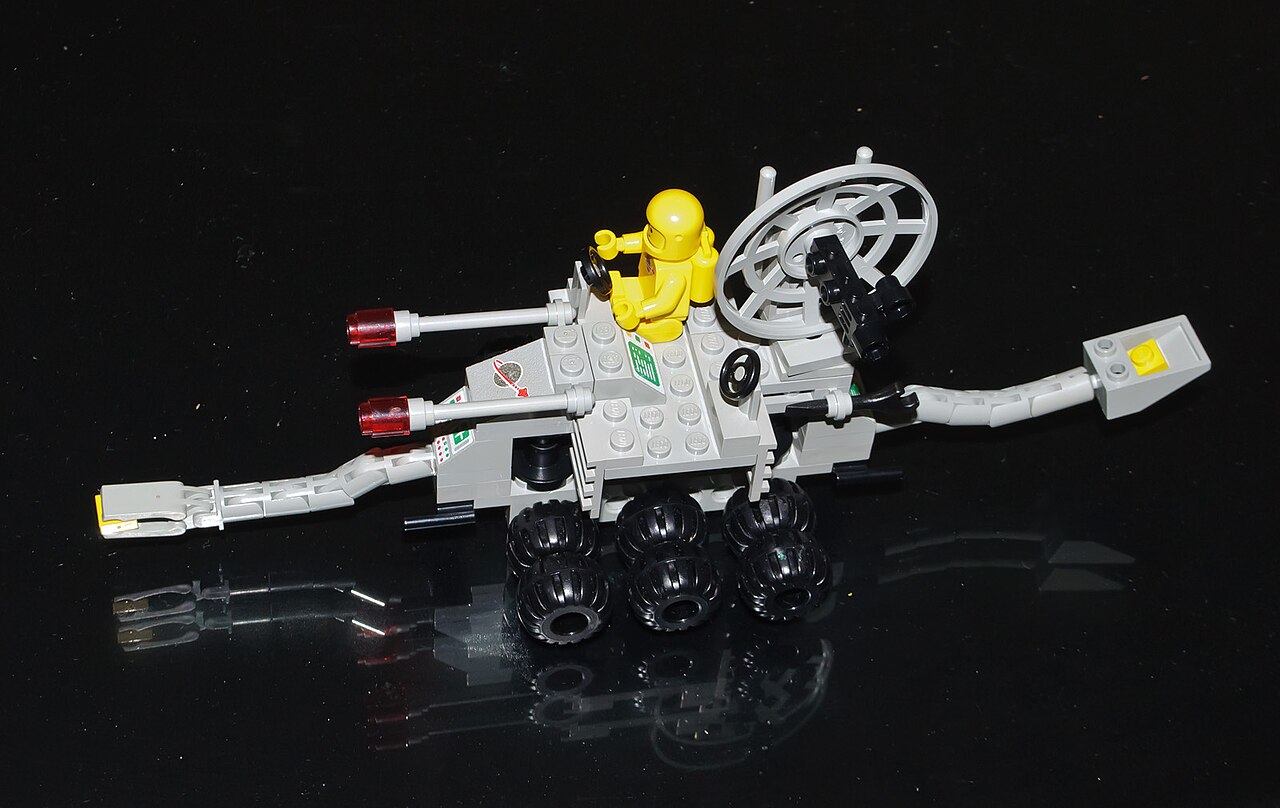
Keep LEGO boxes when they have a specific role in your collection. If the role is storage, use a method that protects the box and the set. If the role is display or sentiment, give the best examples a deliberate place. If the role is documentation, photographs and organized records may provide enough information.
When space is limited, reducing packaging is not a failure of collecting. It makes room for the parts of the hobby you actually use. Choose the boxes that support your goals, reduce the rest carefully, and leave yourself a record when that helps.
For a wider storage framework covering boxes, instructions, and loose pieces, see GrandCollector’s LEGO storage and display guide.
Notes
[1] This guide uses a general collecting principle: packaging decisions should reflect personal goals, storage space, and enjoyment instead of a universal keep-everything rule.
[2] Storage guidance here is practical handling advice: keep selected boxes supported, easy to inspect, and not crushed by the storage system itself.
[3] Photographing and recording identifying details is a basic collection-documentation practice when physical packaging is reduced or discarded.
[4] A purpose-based sorting test helps allocate limited space to packaging that provides storage, display, documentation, or sentimental use.