
If you’re new to coin collecting, you might wonder what the term “cull penny” means. Today, we will discuss cull pennies and how they might impact your coin collection.
I’ll also cover how to identify them so you know whether or not you’re getting ripped off when buying coins from a store or another individual seller. Alright, let’s begin!
What is a Cull Penny?
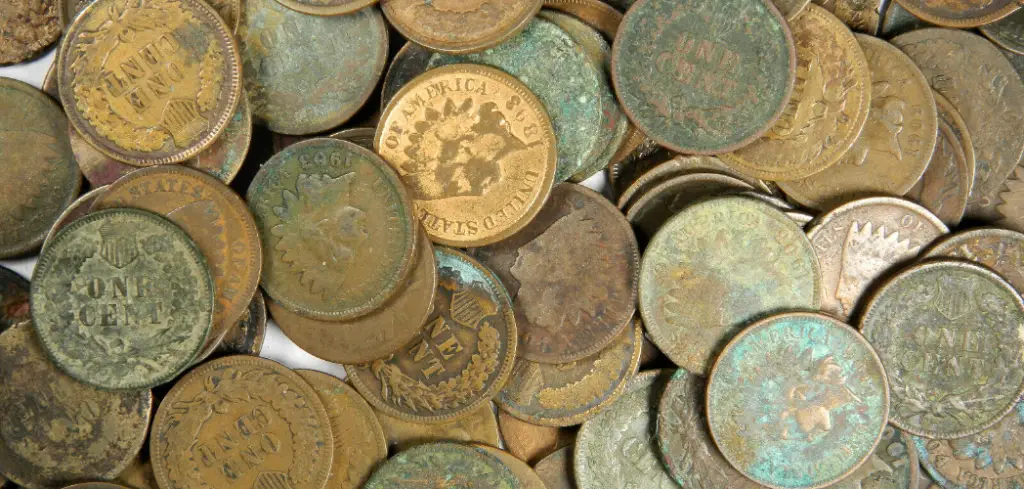
Cull coins are the ones that don’t meet the required grade or standard and are found in a mint set or collection.
When a coin is damaged or worn out, it is taken out of circulation, which we call a cull. A cull is any coin with some sort of defect, but typically people use the term to describe coins that are in poor condition, not mint condition.
In ancient times, money changers would use sieves to separate the good coins from the bad ones before selling them at market value.
Generally speaking, we’re talking about coins in bad shape with imperfections that have been taken out of circulation due to their faults.
You can observe various defects from culls, such as holes, minor or major scratches, bent coins, tonal variances, severe retooling, pitting, corrosion, and other severe marks.
Do Culls Have Value?
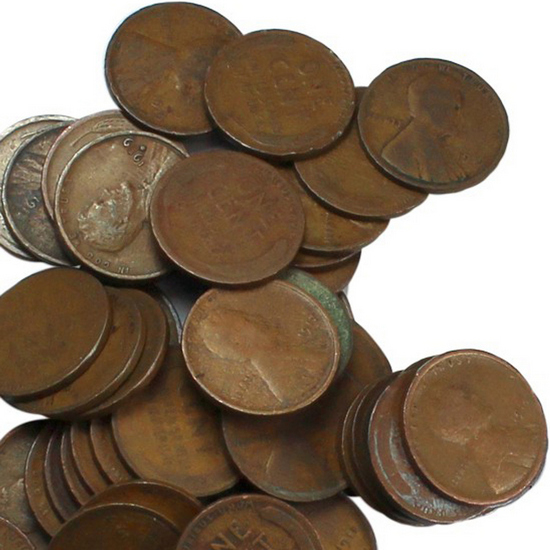
No, that’s the short answer. Cull coins — coins that have been rejected from circulation due to not meeting certain quality standards — are not considered legal tender by themselves. They have no additional face value beyond the metal they’re made of.
Even if they were in perfect condition, they wouldn’t be worth anything more than face value because they’re not considered usable currency by the government at more than their denominated amount.
A cull penny is a coin that has lost its collectible premium. When we talk about a ‘cull’ coin, we mean a coin that doesn’t have the full amount of metal due to wear or damage, or has significant cosmetic issues that disqualify it from being graded.
Coins, made of metal, tend to lose their value over time due to wear and tear. Their worth as collectibles is based on condition and rarity, not just the weight of the metal they contain.
Why are There Culls?
There are a few reasons why coins can end up classified as culls:
First, they may be the correct weight and size but have a flaw in their design or heavy wear from circulation.
For example, if there were an error with the obverse side of the coin that caused it not to have any writing on it or extra lines (called doubling), or if the coin has been heavily worn down, then this would be considered a cull.
Another reason is metal composition issues. In North America, specifically, the one-cent coins (pennies) minted before 1982 are crafted using 95% copper and 5% zinc. Modern pennies (post-1982) are primarily zinc with a copper plating.
If there’s an excess of zinc or a shortage of copper in older coins due to environmental damage, they may be worth less to collectors. Environmental damage can make them less desirable than well-preserved examples.
Are Culls in Circulation?
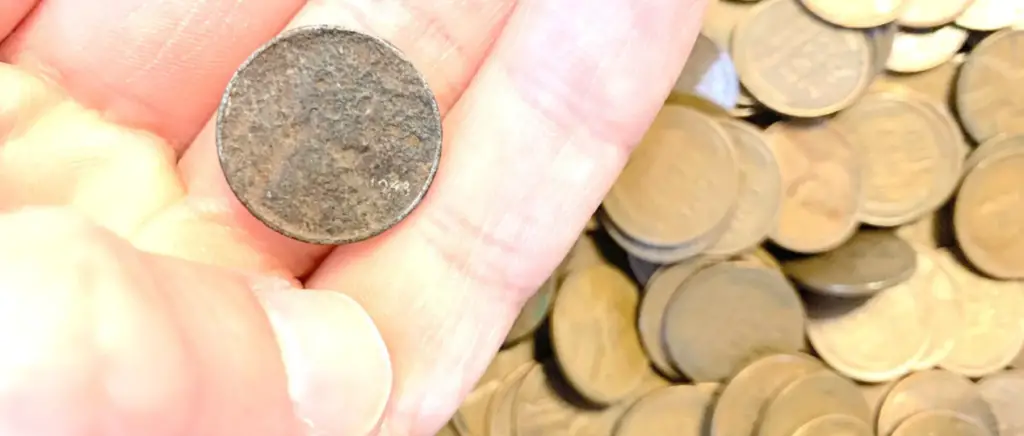
Culls aren’t actively sought by most collectors because they don’t hold the same premium as higher-grade coins.
The term ‘cull’ simply describes condition — it means the coin is in poor shape. They’re worth less than higher-grade examples of the same coin.
They were manufactured with imperfections or have been heavily worn. Hence, their worth to collectors is limited, though they can still be used as hole-fillers in albums or utilized in crafting jewelry.
Before you go…
I hope this article has helped you answer your questions! Remember, a cull coin is simply any coin that has been taken out of serious collecting consideration due to condition issues. These coins are usually sold in bulk at lower prices since they don’t meet the quality standards expected by today’s collectors and grading companies.
Check out my next article: “What is a Cull Silver Dollar?“
Related Articles:
Fact-checked and updated on July 11, 2026.
I have a penny/dime that has same diameter as a penny but width and weight of a dime. Ridged Edge also. Both Roosevelt and Lincoln are discernable but date isn’t . I get no responses anywhere. Please reply!
!most likely wrong planchette, depends on condition. Could be valuable as mint error.
Someone will want it badly – Price it high if you decide to sell?
Someone will want it badly – if selling, price it high and see what happens!
I have a 1866 Indian head Penny, what is it’s value?