
Some of the cars hanging on the Hot Wheels pegs are worth far more than others to collectors who know what to look for. Those are chase models, intentionally scarce variants that manufacturers insert into standard cases. Learning to spot them is the single highest-return skill in diecast collecting.
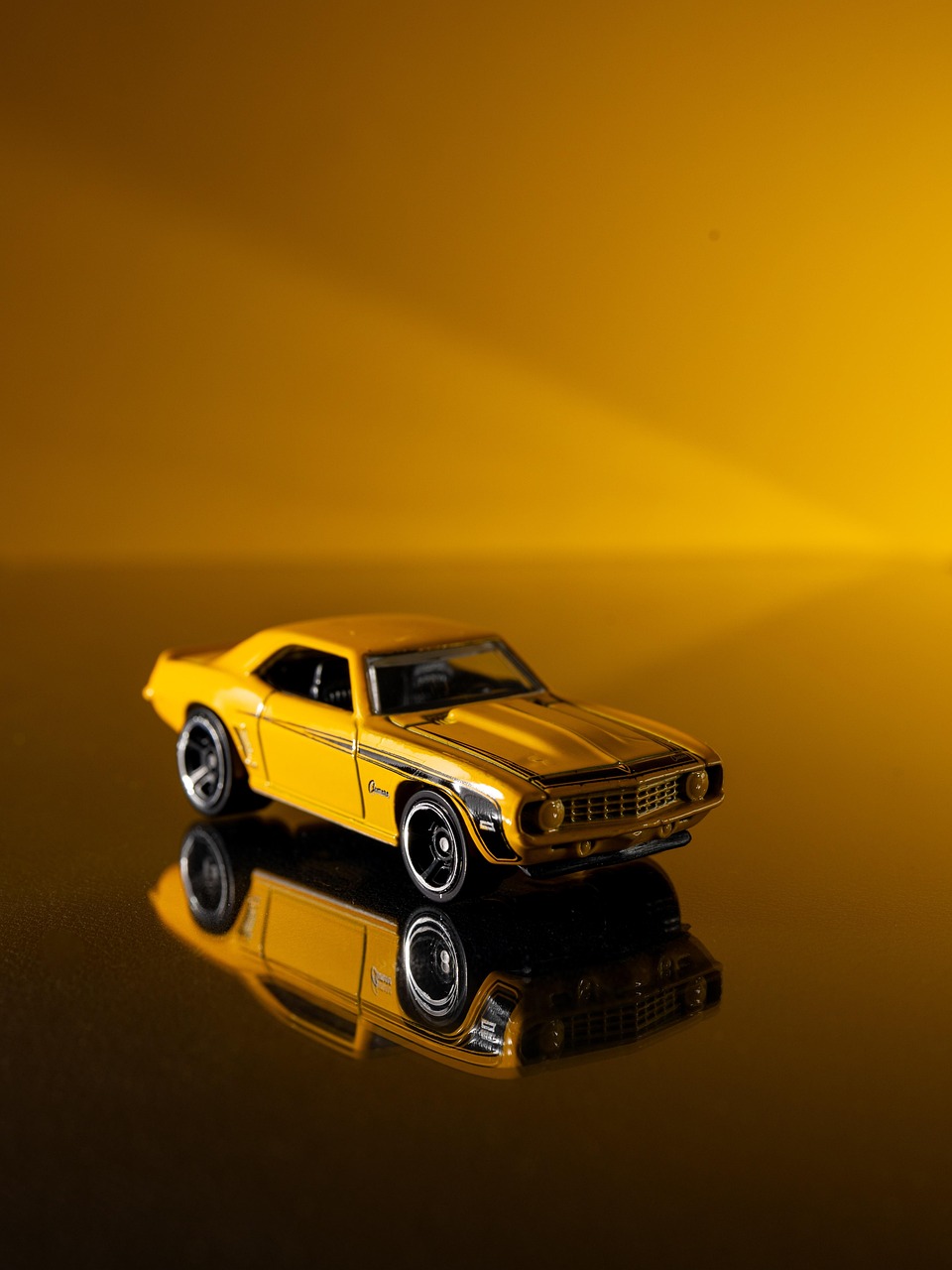
A regular Treasure Hunt might be one in every 72 cars. A Super Treasure Hunt can be one per several cases. The car costs the same dollar at retail, but on the secondary market the difference in collector interest is dramatic. The trick is knowing which one you are holding before you leave the store.
Why Manufacturers Make Chase Cars
Chase models are planned scarcity, not accidents. Mattel started the Treasure Hunt series in 1995, and it solved two problems at once: it gave adult collectors a reason to keep checking the pegs, and it drove case sales to retailers who wanted the buzz of people hunting for rare cars.
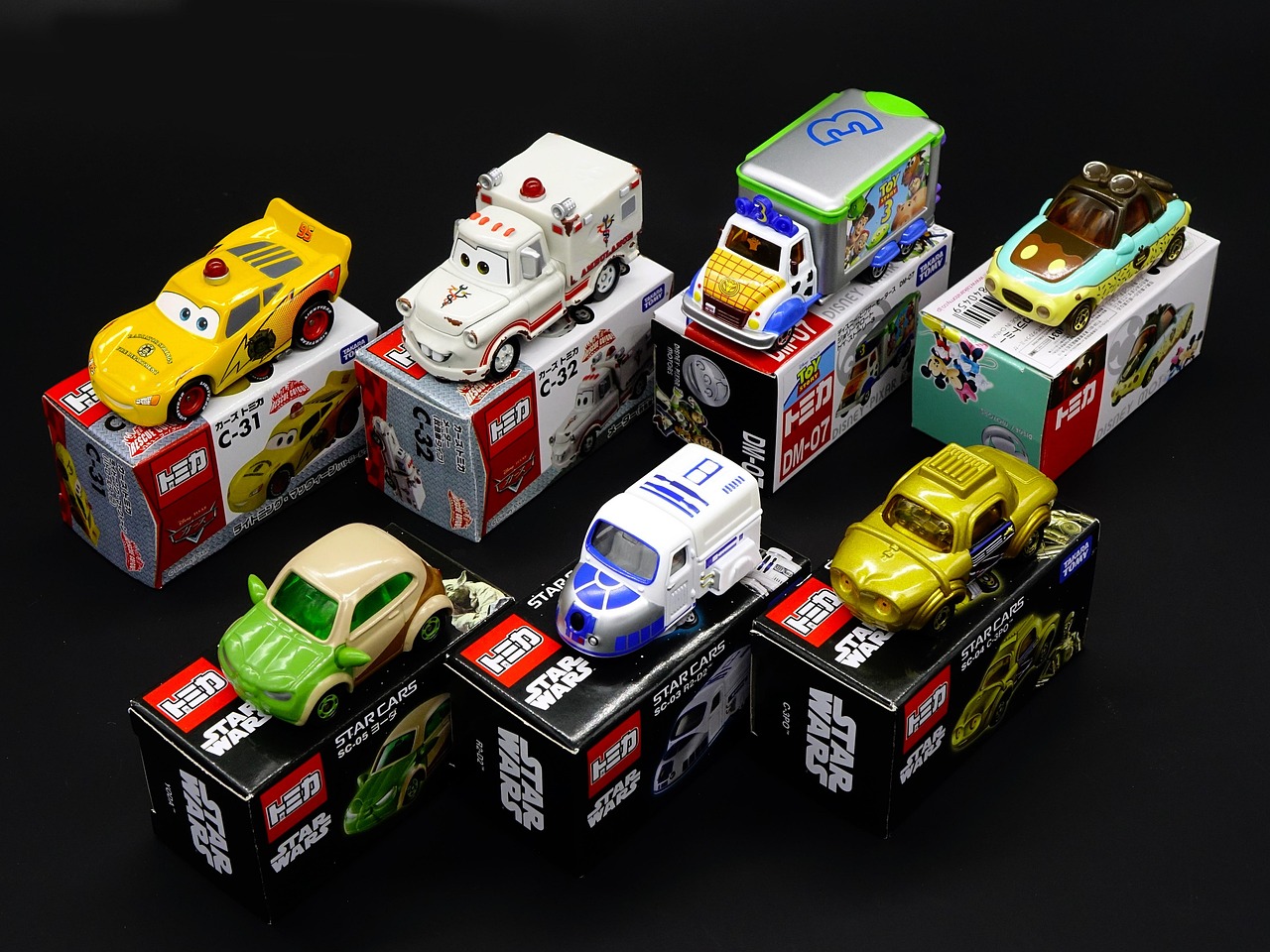
Other manufacturers copied the model. M2 Machines has chase variants. Johnny Lightning had White Lightning. Greenlight uses Green Machine. Auto World has Ultra Reds. Tomica Limited Vintage has chase models in its blind-box series. The formula is the same: produce a small percentage of a run with a distinctive feature, let collectors sort them out.
What Beginners Usually Get Wrong
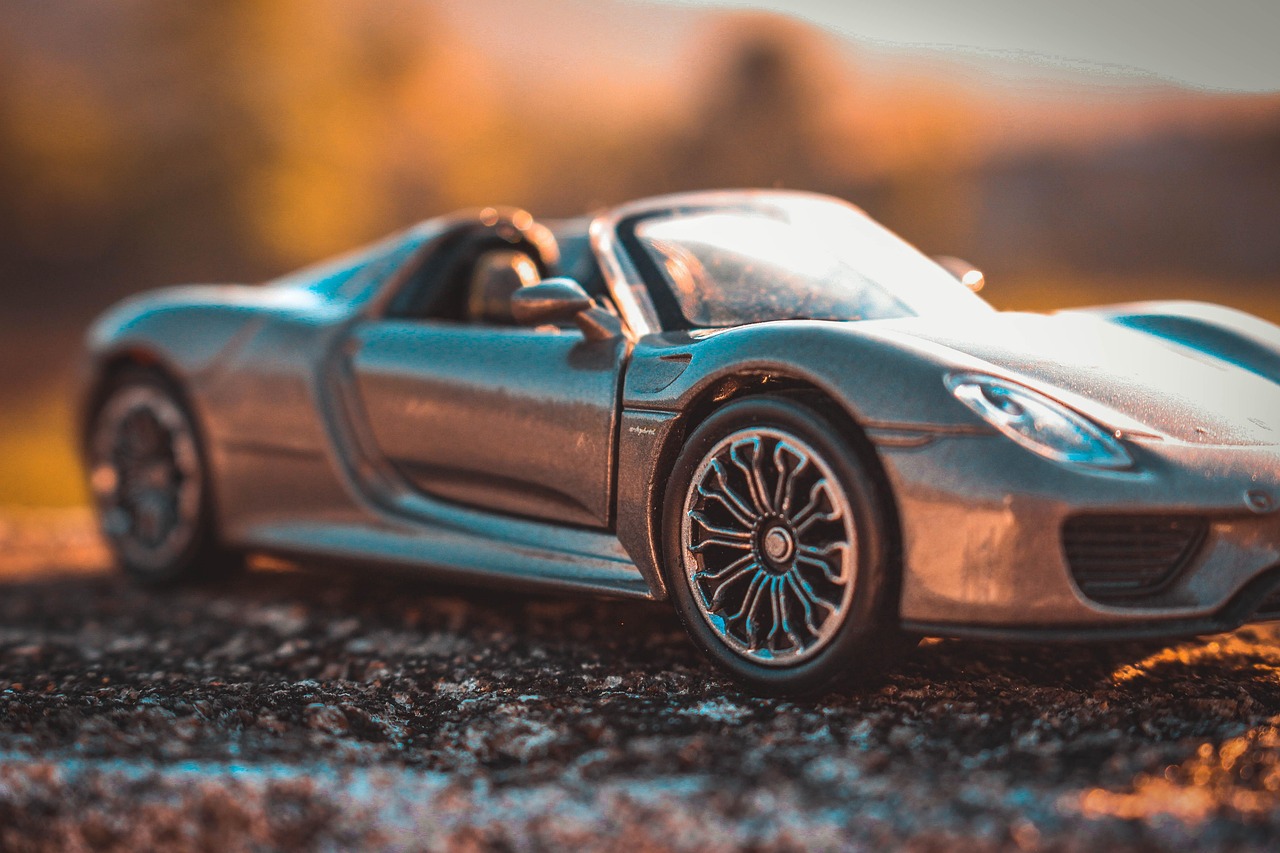
The most common mistake is confusing packaging rarity with model rarity. A car on short cards (the kind sold at checkout counters) is not rarer, it was just shipped to a different retailer. The car inside is identical.
Another trap is treating every color variation as a chase. Hot Wheels routinely runs the same casting in five or six colors across a model year. Unless the car carries a chase indicator like Spectraflame paint, Real Riders wheels, or an explicit Treasure Hunt logo, a green version instead of the blue one is just a color variation.
Ebay listings make this worse. Sellers regularly label any hard-to-find mainline car as a chase. Check the car itself against known chase identifiers, not the listing title. A seller’s enthusiasm does not make a mainline Porsche into a Super.
How to Check If a Diecast Car Is a Chase
Each manufacturer has its own tell, but the check sequence is the same: look for visual markers, check the base of the car, and cross-reference against documented chase lists.
Hot Wheels Treasure Hunts and Super Treasure Hunts
Regular Treasure Hunts carry a circular flame logo on the car body or on the card. The symbol is small, usually silver or grey, and easy to overlook when scanning pegs. Behind the car, the card often says “Congratulations! This is a Treasure Hunt.”
Super Treasure Hunts use Spectraflame paint, a translucent lacquer finish that looks deeper and wetter than standard opaque enamel. Wheels are Real Riders: rubber tires on detailed multi-piece hubs instead of molded plastic. The card usually has a gold flame logo. Underneath on the base, look for “TH” stamped near the model name.
Matchbox Super Chase
Matchbox Super Chase models are rarer than Hot Wheels Treasure Hunts and do not always carry an obvious logo. The tell is often in the paint, a darker or richer shade, and in the wheels, which may be a premium style. Check the base stamp. Some have unique tampos, different interior colors, or matte finishes.
Memorise the yearly Super Chase list. Mattel releases it through collector channels, and fewer than ten models are produced per year.
M2 Machines Chase Variants
M2 uses a tiered system. The top-tier chase, usually limited to a few hundred pieces, carries a raw metal or gold finish with a production number sticker on the base. The sticker is the fastest confirmation.
Greenlight Green Machines
Greenlight chases are easy to identify: the body, wheels, base, or an accent piece will be bright green. Sometimes the entire car is green chrome. The base stamp usually includes “GM” or a count number. Green Machines are not subtle. If you are squinting at one wondering whether it counts, it probably does not.
Auto World Ultra Red
Auto World chases replace the standard body color with a deep red, paired with white wheels and a white interior. The combination is distinctive and unmistakable. The base stamp confirms the chase status.
Buying Tips for Chase Models
If you find a chase in a retail store, buy it at retail price. That is the whole point of the hunt. On the secondary market: know the release year, because a 2022 Super and a 2025 Super can have very different market interest. Check whether the car has been opened, loose examples sell for considerably less than carded ones. Inspect the card for creases, edge wear, or price sticker residue.
Buy from sellers who post clear, well-lit photos of the front and back of the card, not stock images.
Selling or Holding Considerations
Chase models less than two years old tend to be at peak supply. Values often dip during that window and then rise slowly as sealed examples become harder to locate. If you find a current-year chase, selling within the first few months can make sense while hype is active.
For older chase models, condition is the dominant factor. A carded Super from ten years ago with no creases and no yellowing is genuinely scarce. Most were opened by kids or stored poorly. If you have a clean older chase, holding it is rarely a mistake.
Movie tie-in chases are the exception. When the movie cycle ends, interest can drop noticeably. Fast and Furious chase cars from 2016 are a good example: hot for a window, then quiet for a long stretch.
Common Red Flags and Fakes
The most common scam is a mainline car wheel-swapped with Real Riders and repainted with a glossy clear coat to mimic Spectraflame. Under close inspection, the paint lacks depth, tampos are slightly off-register, and base rivets may show tool marks from being drilled and re-crimped.
Another trick is card swapping: someone opens a real chase card, replaces the car with a regular version, and reseals the blister. Check that the car inside matches the card art. Factory seals are clean and uniform; reseals often have glue residue or uneven edges.
Loose chase cars sold without a card are harder to authenticate. If you cannot trace the history, assume it is a custom until evidence proves otherwise.
Final Practical Advice
Start by picking one brand and learning its chase system cold. Mastering one brand means you can scan a peg row in seconds and know whether anything worth grabbing is there.
Keep a current chase list on your phone. Fan sites update these within days of new case releases. When you are not sure about a car, take clear photos and check them against collector forum identification threads later, do not gamble at the register.
The chase model system rewards patience and pattern recognition far more than luck. The people who find them consistently are the ones who know exactly what they are looking at before they pick the car up.
Related GrandCollector guides: For spotting fakes in other collectibles, see our collectible grading explained for beginners guide. For authentication specifics in card collecting, read our trading card grading guide: PSA vs BGS vs CGC.
Notes
[1] Hot Wheels Treasure Hunt series began in 1995 with 12 models; the Super Treasure Hunt sub-line, distinguished by Spectraflame paint and Real Riders wheels, was introduced in 2007.
[2] Matchbox Super Chase models are produced in significantly lower quantities than Hot Wheels Treasure Hunts and are released through Mattel’s standard Matchbox case assortments.
[3] M2 Machines chase tier system, Greenlight Green Machines, Auto World Ultra Reds, and Johnny Lightning White Lightning are documented across manufacturer press releases and collector community databases such as hobbyDB and the Hot Wheels Wiki.