

There is no single right answer for every diecast car. Keep it sealed if the original packaged presentation is the main reason you value it. Display it if seeing and inspecting the model matters more. Sell it when it no longer fits your collection, duplicates something you already own, or takes up space you want to use differently. Choose the option that matches your purpose.
Key takeaways
- Start with the decision you actually need to make
- What keeping it sealed preserves
- What opening it changes
Start with the decision you actually need to make
Before touching the package, ask what you want from this particular car. Are you preserving the way it arrived, making the model part of a visible display, or making room for something that fits your interests better? A sealed car can serve the first goal. An opened car can serve the second. Selling serves the third.
Collectors sometimes make this choice by habit. They keep everything sealed because opening feels wrong, or they open everything because the model is meant to be seen. Neither rule accounts for the item, the available space, or the collection you are building.
What keeping it sealed preserves
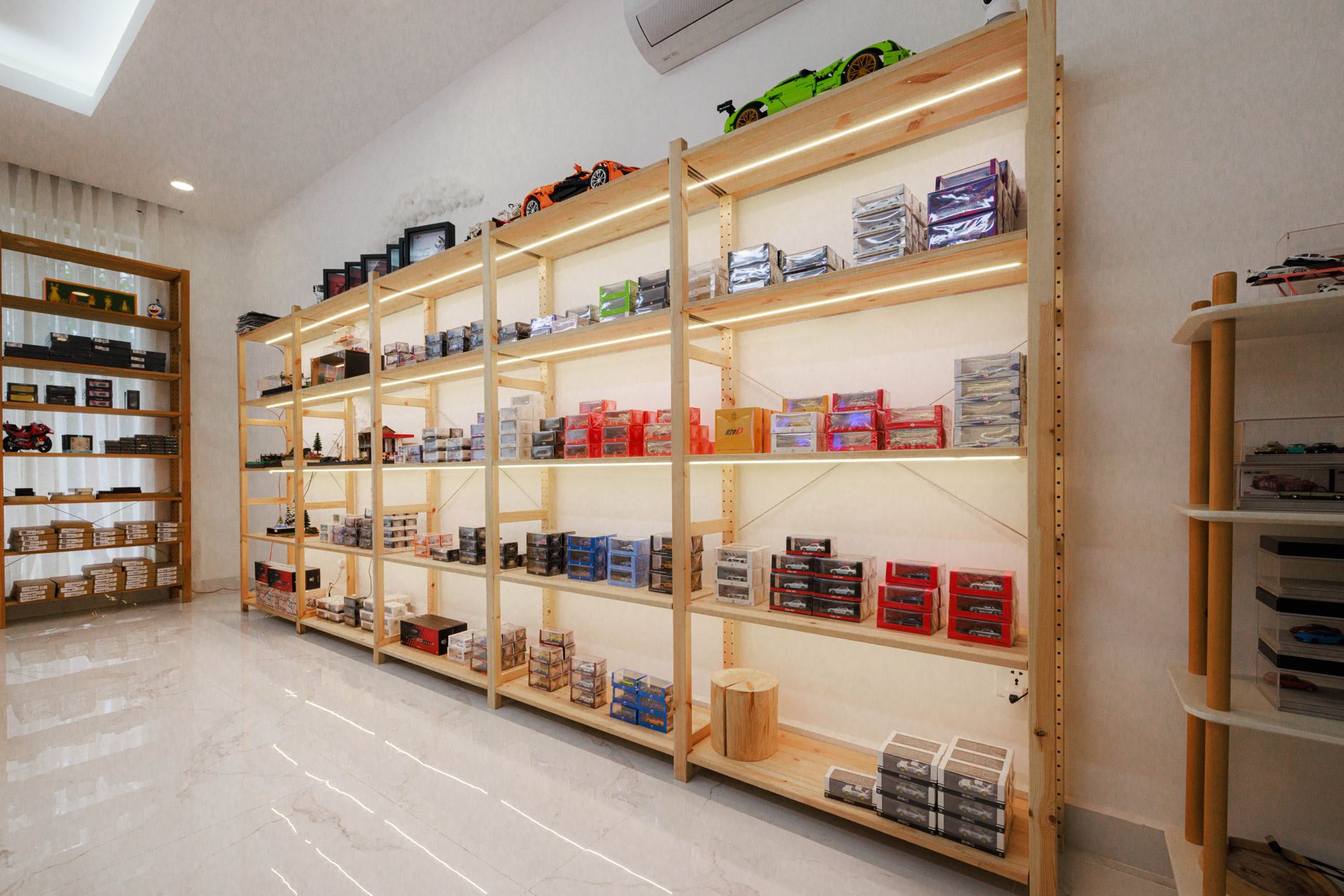
Keeping a diecast car sealed preserves its original packaged presentation and avoids handling-related wear. That makes sense when the package is part of what you enjoy, or when you want the car and its packaging to remain together.
Sealed does not mean ignored. Store the package in a clean, dry, stable environment away from strong light and excessive heat. The aim is simple: limit unnecessary handling and exposure while leaving the item easy to inspect when needed. [1]
What opening it changes
Opening the package permanently changes the car’s sealed condition and separates the model from the packaging format in which you acquired it. That is an irreversible choice, so make it for a clear reason.
The benefit is direct access. You can inspect the model more easily and enjoy it outside the package. The trade-off is just as direct: the model and packaging have more exposure to dust, light, handling, and accidental damage. An unpackaged car also needs more hands-on care, support, and careful handling. [2]
Use a simple keep, display, or sell test
Run through these questions:
- Keep sealed: Is the packaged presentation central to why you want the car?
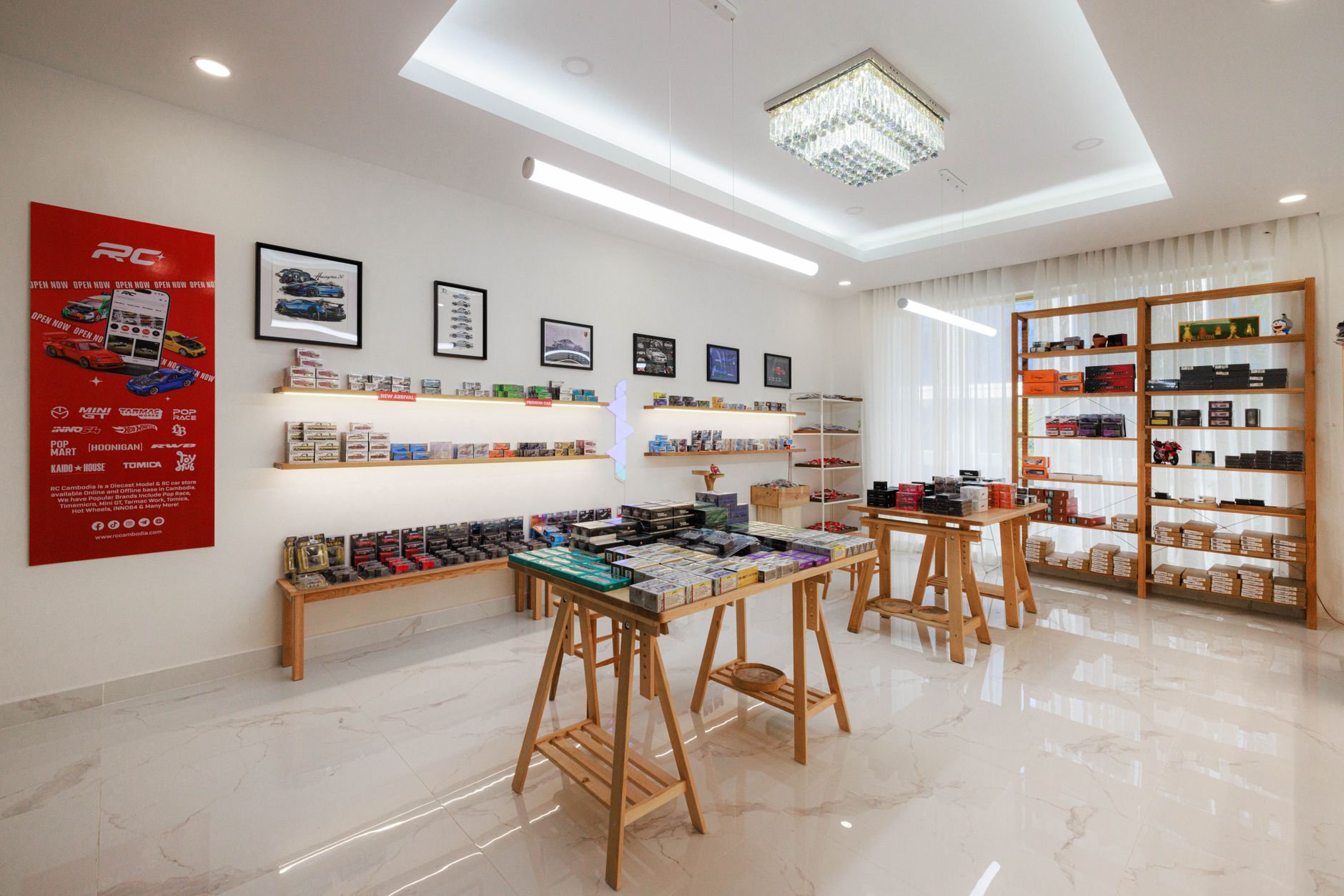
- Display: Will direct viewing and inspection give you more enjoyment than preserving the package intact?
- Sell: Does the car no longer fit your interests, duplicate another item, create a storage problem, or stand in the way of a more meaningful purchase?
If two answers seem equally strong, pause. You can keep the car sealed while deciding. You cannot restore its original sealed condition after opening it.
Check condition before you choose
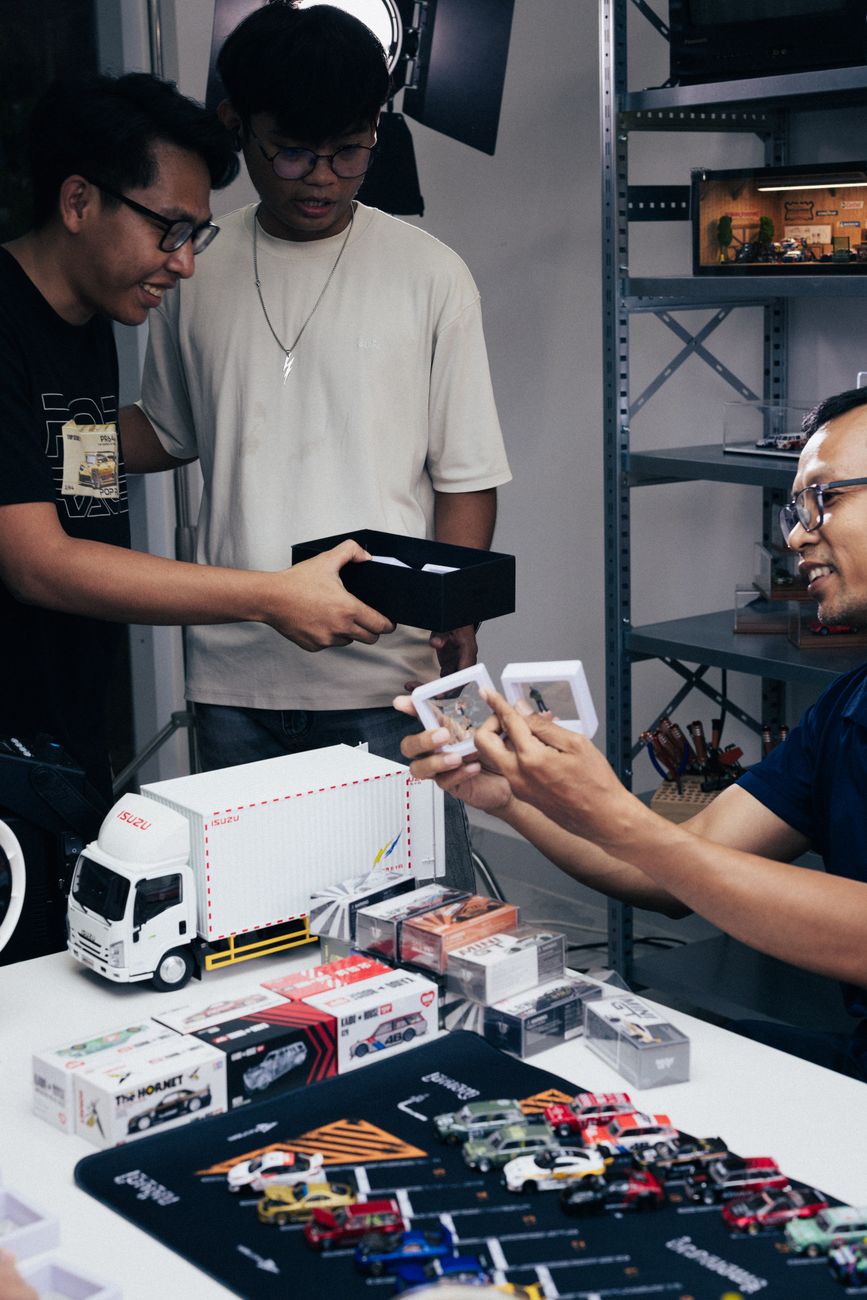
Look at both parts of the item: the model and the package. Record visible damage, wear, missing pieces, or modifications before changing its state. This is especially useful if you may sell later, because a clear record helps prevent misunderstandings between seller and buyer.
Do not judge the car from one feature alone. Consider how the model, package, and your reason for owning it work together. A car with a less important package may be easier to justify opening. A car whose presentation is the main attraction may deserve to stay sealed.
When selling is the better use of the car
Selling is a collection-management decision, not a failure to collect. A duplicate can be released. So can a car that no longer interests you or creates a space problem. If another purchase would better reflect your collecting goals, selling can make that change possible. If you are thinning more than one car, compare that choice with the separate question of whether to sell diecast cars individually or as a collection.
Before listing it, record the model’s identity, visible condition, packaging condition, and any defects or modifications. Describe what the buyer will receive plainly. Clear information is more useful than dramatic language, especially when the item’s sealed or opened state is part of the decision.
Common mistakes to avoid
- Opening the package before deciding what you want from the car.
- Treating sealed condition as the only reason to keep an item.
- Ignoring the extra exposure and handling that come with an unpackaged model.
- Listing a car without recording its condition and any modifications.
- Keeping duplicates that consume space without serving a clear purpose.
Make the choice fit your collection
Use your goal as the tie-breaker. Preserve the package when the original presentation matters most. Open the car when direct enjoyment and inspection are the point, accepting the added exposure and care. Sell it when the item no longer earns its place in your collection.
There is no prize for following a sealed-or-open rule across every diecast car. Make the decision deliberately, document the condition, and leave room for the collection you actually want.
Notes
[1] Research packet for this guide, based on general collecting and preservation principles about limiting handling, contaminants, moisture, heat, and light.
[2] Research packet for this guide, based on the direct exposure and handling trade-offs of displaying an unpackaged model.
[3] The keep, display, and sell framework is a practical inference from the preservation, enjoyment, condition, and collection-management claims in the approved research packet.