

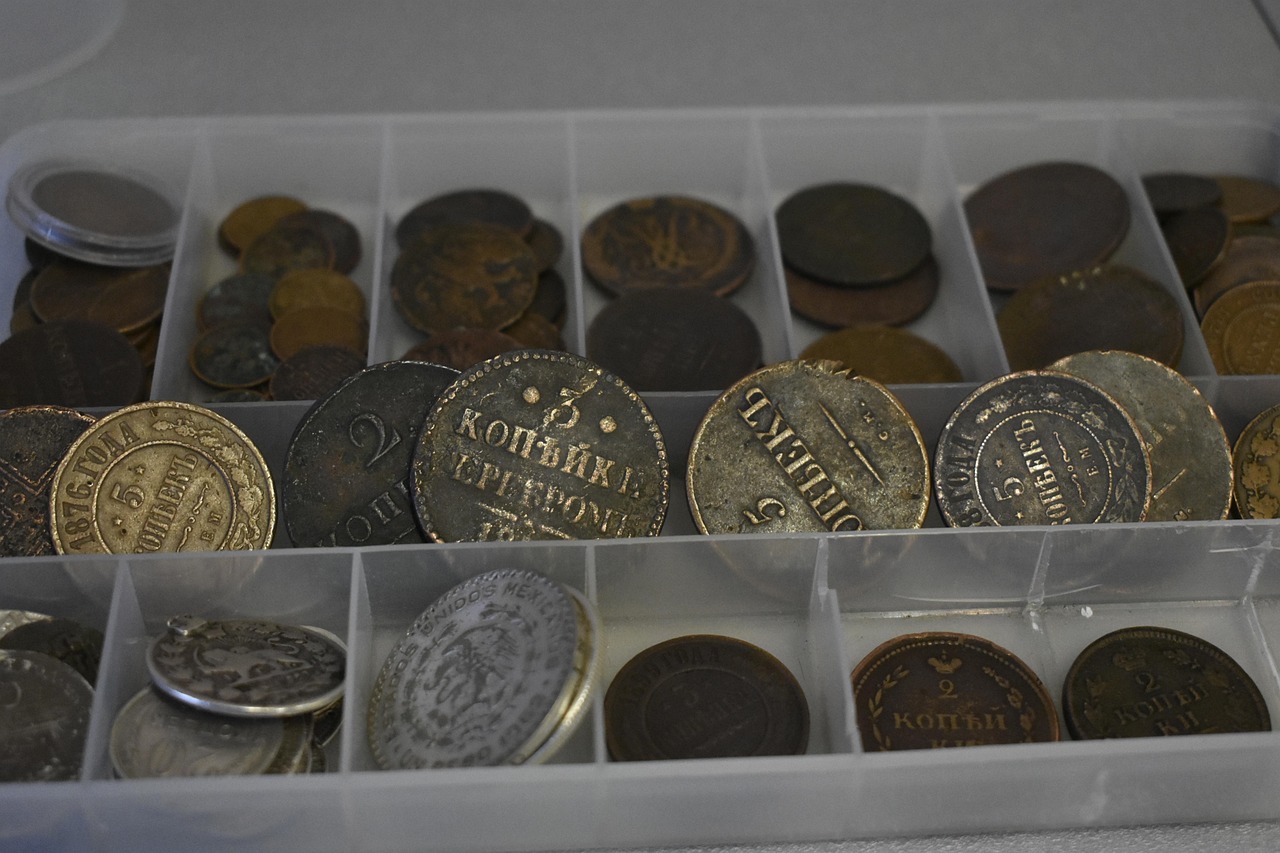
Before taking a box of loose coins to a show, turn it into an orderly set of questions. Sort the coins by country or issuing authority, denomination, and date. Then record mint marks, unusual dates, and visible design differences. That bit of preparation helps a dealer focus on the coins that need a closer look instead of sorting your whole collection from scratch.

Key takeaways
- Why Inspect Before a Coin Show
- What a Loose Collection Usually Hides
- How to Make a Useful Inventory
Why Inspect Before a Coin Show
A coin show can be busy, and a dealer can do more with material that is clearly presented. A basic inventory makes individual coins easier to compare and discuss. It also reduces the chance that a familiar-looking coin will be mistaken for a different issue because its date or mint mark was missed.
The point isn’t to assign a final grade or announce a discovery at the kitchen table. It’s to separate ordinary material from coins that deserve more attention, while keeping a useful record of what you brought.
What a Loose Collection Usually Hides
Mixed collections often contain several kinds of material at once: common circulated coins, pieces with readable dates, damaged examples, and coins whose details are obscured by dirt or wear. A quick glance can miss an important mark on the reverse, an edge feature, or a small difference in lettering.
Don’t rely on memory. Write down what’s visible, even when the entry is incomplete. “Date unclear” and “possible mint mark” are more useful at a show than a confident but unsupported guess.
How to Make a Useful Inventory
Work in a consistent order. For each coin, note:
- Country or issuing authority
- Denomination and date
- Mint mark, if visible
- Obvious variety or design difference
- Scratches, corrosion, discoloration, bends, or other damage
- A question for the dealer
Group similar coins together, but keep anything unusual in its own holder or envelope. A simple numbering system connects each coin to the matching line in your notes without requiring you to write on the coin or its holder.
How to Examine Coins Without Changing Them
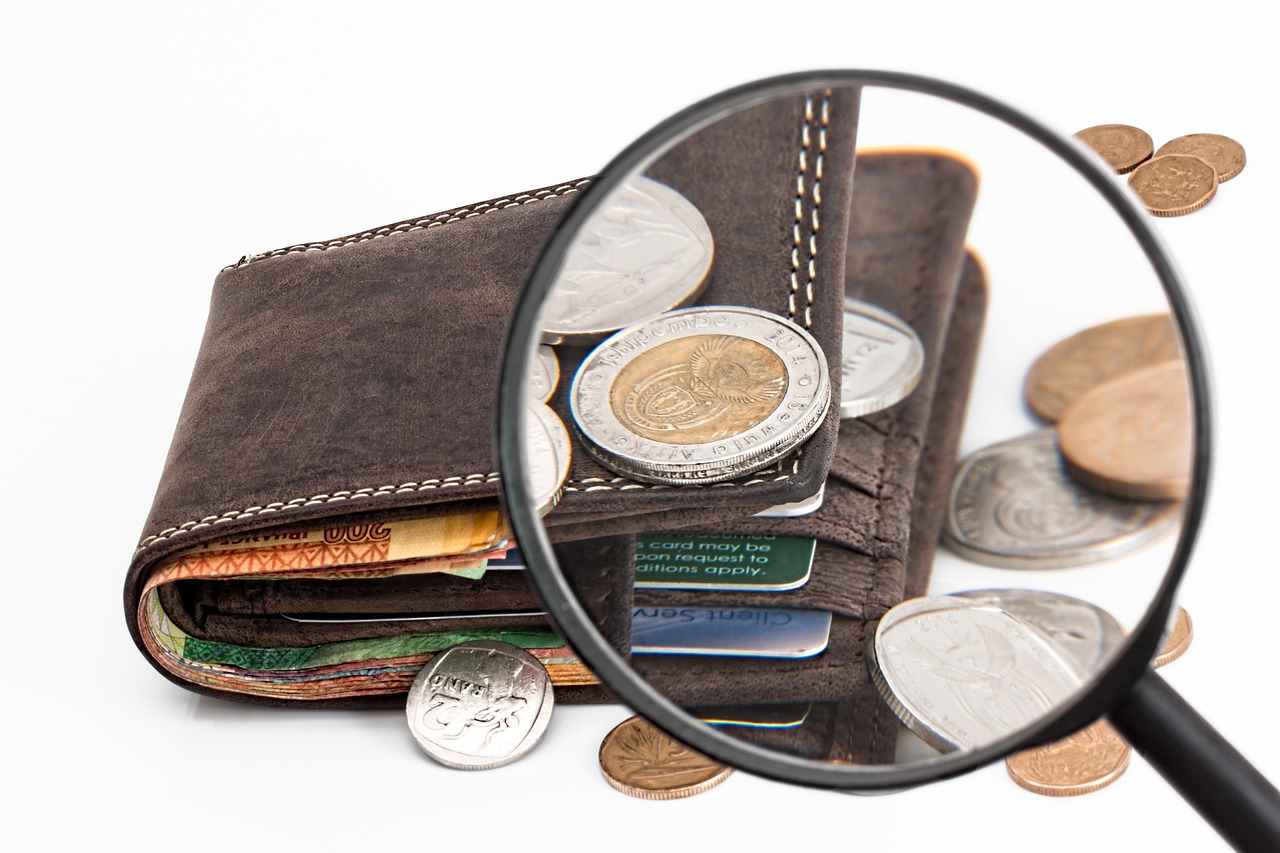
Use a clean, well-lit surface and look at both sides. A magnifier can help with dates, lettering, mint marks, edges, and possible damage, but magnification doesn’t turn a preliminary opinion into a final attribution. Rotate the coin under the light instead of rubbing it to bring out a detail.
Handle coins by their edges when possible. Avoid touching the main surfaces with bare fingers, and don’t clean or polish anything before the show. Cleaning can change the surfaces and make an expert’s evaluation more difficult.
How to Separate Condition and Questions
Make a separate group for coins with scratches, corrosion, harsh cleaning, discoloration, bent edges, or other noticeable damage. Keep coins that appear more original and undisturbed apart from that group. This isn’t a grading decision. It’s a practical way to show a dealer which pieces need a condition discussion.
Mark uncertain identifications with a question rather than a claim. A coin that might be a scarce variety, error, counterfeit, or altered piece needs comparison with references or examination by an experienced specialist before you rely on that identification.
What to Bring to the Show
Place individual coins in non-abrasive holders, flips, envelopes, or other protective storage that keeps them from rubbing against one another. Arrange the holders in the same order as your written list. If this is your first show, it helps to prepare questions for dealers before you reach the table. Bring a pen and a short list of questions, such as:
- Is the date and mint mark recorded correctly?
- Does the design difference look intentional, damaged, or altered?
- Which coins deserve a more detailed examination?
- What storage should be used for the pieces worth keeping?
Ask before removing a coin from a holder, and keep the collection close while moving through the show.
Common Red Flags in a Pre-Show Review
Be cautious when a label makes a strong claim that the coin itself doesn’t support. A handwritten note calling something rare isn’t evidence. Neither is a dramatic story about where a coin was found. Look first at the date, mint mark, design, edge, and surfaces, then take the question to a dealer or specialist.
Other warning signs include fresh-looking scratches around a date or mint mark, unusually bright surfaces, residue in protected areas, and a coin forced into a holder that doesn’t fit. These signs don’t prove what happened. They tell you to slow down and ask for a closer examination.
Final Practical Advice
Arrive with an inventory, not a verdict. Separate the easy-to-identify coins from the uncertain ones, protect the surfaces, and write down the questions you want answered. If a piece seems unusual, treat the first visual identification as provisional. A careful dealer can help decide whether the coin merits reference work or a specialist examination.
The best pre-show inspection doesn’t promise a valuable find. It gives every coin a fair look, reduces avoidable handling, and makes the conversation more useful when you reach the tables.
Notes
[1] The sorting, inspection, handling, storage, and provisional-identification guidance in this article follows the supplied research packet’s general numismatic collecting practices.