

A meet-up is the last chance to inspect a loose diecast car before money or trade stock changes hands. Photos hide worn tampos, bent axles, and repainted bases, and once you have paid at a car park or a café table, the car is yours. Ten minutes of methodical checking under decent light tells you more than any listing description.

Key takeaways
- Inspect under direct light, not room light, before you agree a price.
- Drilled or flattened base rivets usually mean the car has been opened for a repaint or wheel swap.
- The year stamped on the base is generally the casting copyright date, not necessarily the year that car was built.
Prepare before you travel
Ask the seller for sharp photos of the base, both ends of the car, and the wheels before you agree to meet. A base photo should show the casting name, copyright year, and manufacturing details, and it is usually the fastest way to spot a car that does not match its description. Take a small torch, a soft cloth, and a few reference photos of the same casting on your phone. Meet somewhere with daylight and a flat surface, and agree a time limit so neither side feels rushed into a decision. If loose models are new to you, the die-cast car collecting guide for beginners covers scales, materials, and the parts that matter.
Start with the light, then the paint
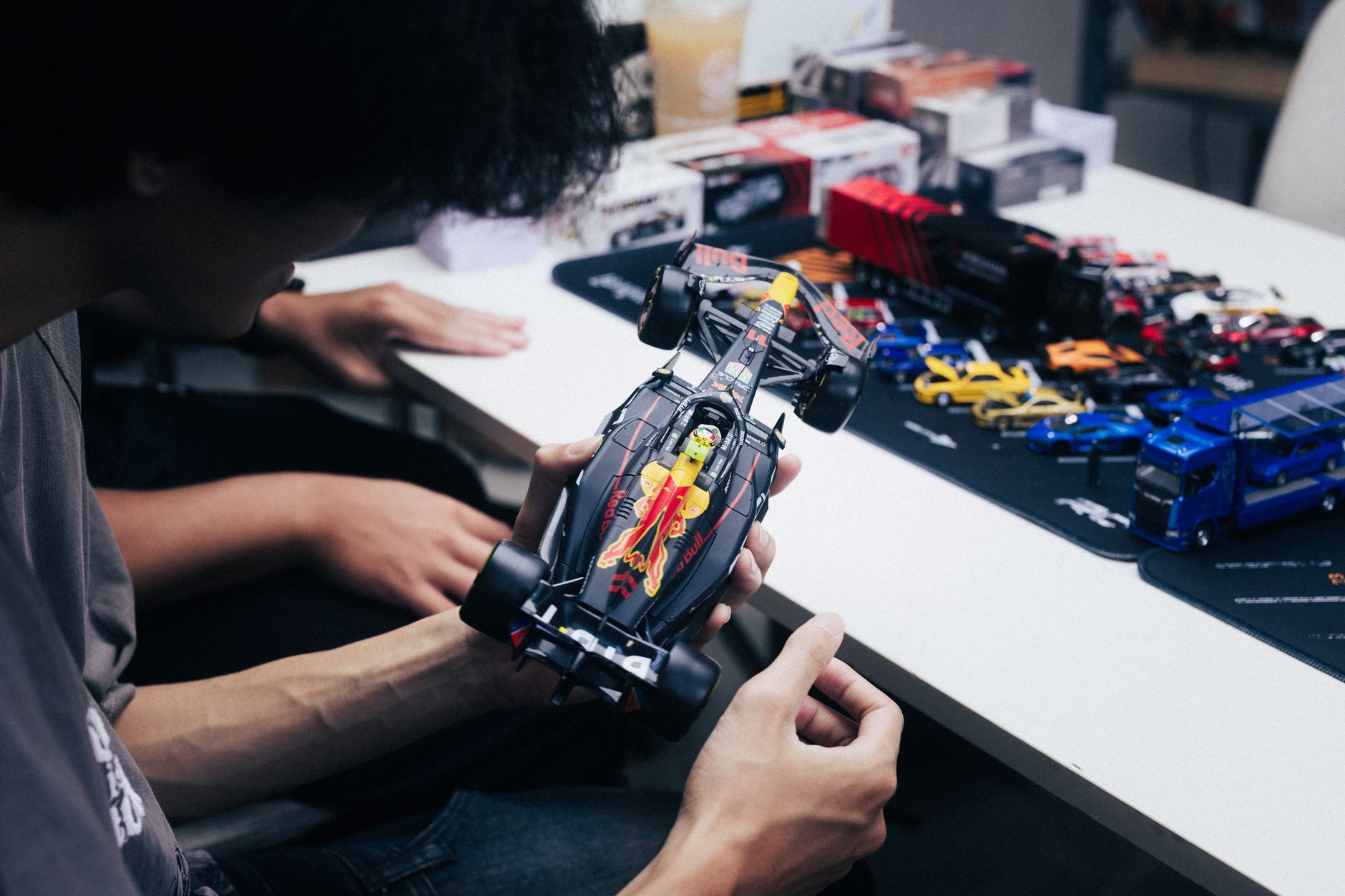
Hold the car under bright light and rotate it slowly. Imperfections that disappear under room lighting become obvious under direct light, and paint is where loose models show their history. Look for chips, scratches, fading from sun exposure, and uneven factory paint.[1] Factory paint is typically smooth and consistent, so orange-peel texture, brush marks, or overspray on the windows are reasons to slow down and ask questions.[3] Fading and handling chips are common on loose cars and are usually easy to describe once you see them.
Check the graphics and the wheels
Printed graphics, or tampos, should be sharp and properly registered.[3] Blurry, pixelated, or crooked logos stand out when the rest of the car looks factory-fresh. Then place the car on a flat surface and roll it gently. Wheels should sit evenly and turn without obvious resistance. A wheel that wobbles, sits crooked, or rubs the fender may have been swapped, which matters if the car is being sold as an untouched example. Do not force a stiff axle or press hard on a loose wheel. The check should not create the damage you are trying to find.
Turn the car over
The base is the part most sellers photograph least. Factory rivets are typically evenly peened, so drilled, flattened, scratched, or misshapen rivets suggest the car has been opened, usually for a repaint, repair, or wheel swap.[3] Check that the base sits square against the body. Note that the year on a base is generally the copyright date of the casting design, not the year that particular car was made, so do not use it alone to judge age or originality.[3]
Describe what you see, then decide
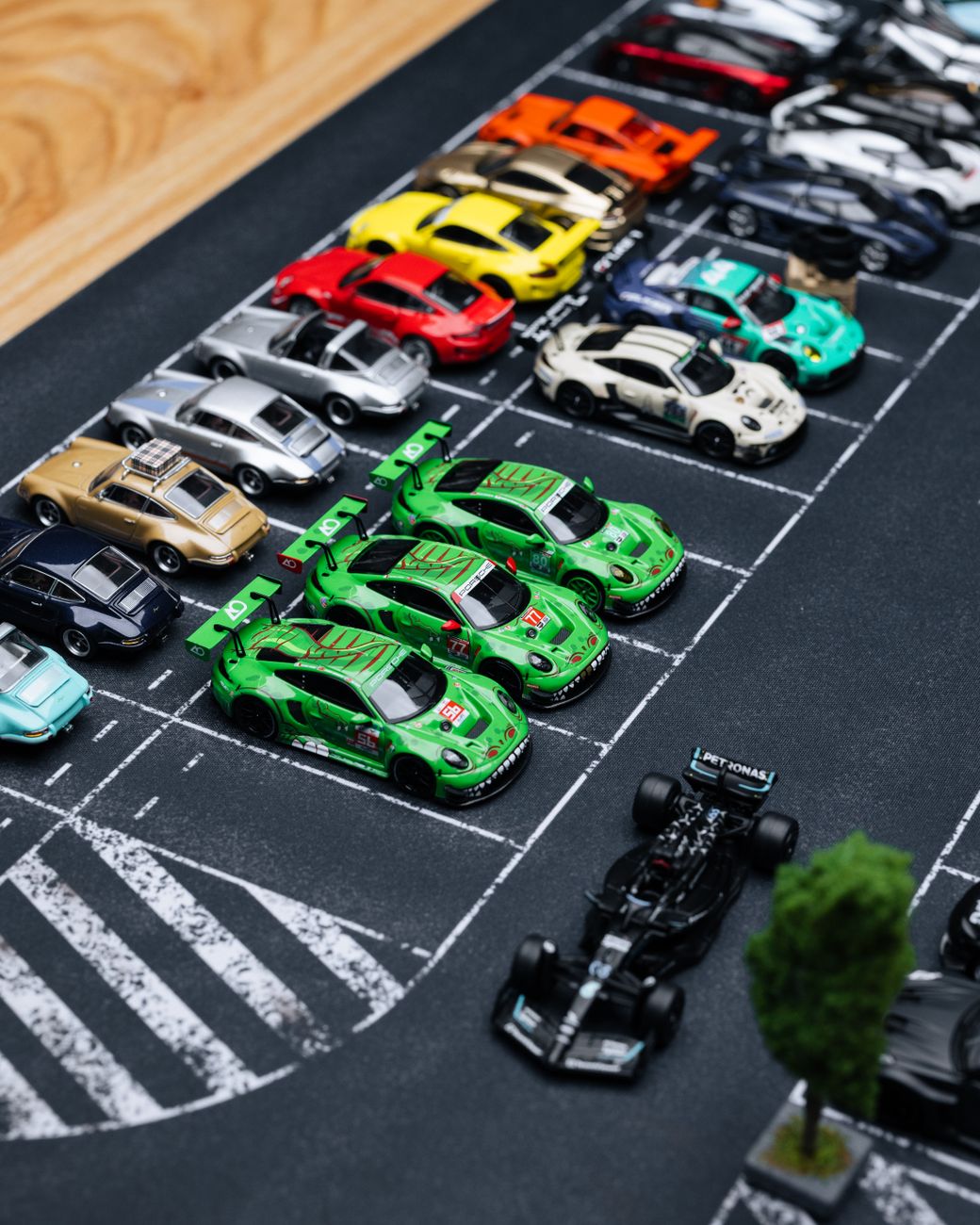
For loose cars, the useful checks are paint, wheels, base, graphics, and a written note of condition.[2] Tiny Torque’s buying guide splits condition into three tiers: no visible flaws, minor chips or light scratches, and more noticeable scratches, dents, or paint chips that can still be reasonable.[1] Use that language rather than “good condition”, which means different things to different collectors. Say the defects out loud, photograph them on your phone, and agree with the seller what happens if you find a problem later.
Keep the order the same every time: light, paint, graphics, wheels, base, then your notes. If something does not add up, ask for the seller’s history of the car or compare it with a known example of the same casting. Buying from photos instead of in person calls for a different set of checks, covered in how to inspect loose diecast cars before an online purchase. Walking away from a doubtful car costs nothing. Buying one you did not inspect properly costs money and a lot of explaining later.
Notes
[1] Tiny Torque, “How to Evaluate the Condition of Diecast Cars Before Buying”: https://tinytorque.com/blogs/collectors-corner/how-to-evaluate-the-condition-of-diecast-cars-before-buying
[2] Muncle Mikes, “Grading & Condition Policy”: https://munclemikes.com/pages/grading-condition-policy
[3] The Peppy Store, “Real, Repainted or Fake? How to Check a Hot Wheels Before You Pay”: https://thepeppystore.in/blogs/title-the-peppy-store-blogs/real-repainted-or-fake-how-to-check-a-hot-wheels-before-you-pay
[4] GrandCollector, “Die-Cast Car Collecting Guide For Beginners”: https://grandcollector.com/die-cast-car-collecting-guide-for-beginners/