

A useful coin inventory is not a private auction catalogue. It is a record of what you can support: what the coin appears to be, where it came from, what you photographed, where it sits, and which details remain uncertain for later research work. Formal grading language should stay out until there is evidence for it.
Key takeaways
- Why a plain inventory protects the collection
- What beginners usually get wrong
- Build the record around fixed identifiers
Why a plain inventory protects the collection
Collectors often start an inventory because they want order. The stronger reason is control. A clear record helps you find the right coin, avoid repeat buys, explain the collection to someone else, and stop uncertainty from hardening into “fact” after a few months.
The tool matters less than the habit. A spreadsheet, notebook, or simple database can all work if the entries are consistent. Weak inventories mix observation, hope, and borrowed seller language in the same box.
What beginners usually get wrong
The common mistake is filling every field because an empty field feels untidy. That is how guesses enter the record. A coin with an unclear date becomes a dated coin. A worn surface becomes a grade. A seller’s confident description becomes your own conclusion.
Use empty space honestly. “Unknown,” “not readable,” “seller stated,” and “needs later check” tell the next reader how much weight to give the entry. That reader might be you, a family member, a dealer, or an estate helper.
Build the record around fixed identifiers
Give every coin its own inventory ID before you write detailed notes. The ID can be simple: a short prefix, a year, and a running number. Put the same ID on the storage flip, envelope, tray map, photo filename, and inventory row.
This prevents a quiet problem: two similar coins swapping identities. Once that happens, your photographs, acquisition notes, and condition observations may point to the wrong object. The inventory ID is the thread that keeps the physical coin and the written record attached.
Record what you can see, then mark what you cannot
Start with observable fields: country or issuing authority, denomination, date if readable, mint mark if visible, metal colour, design, lettering, weight, diameter, and storage location. Record measurements as measurements, not instant proof of identity.
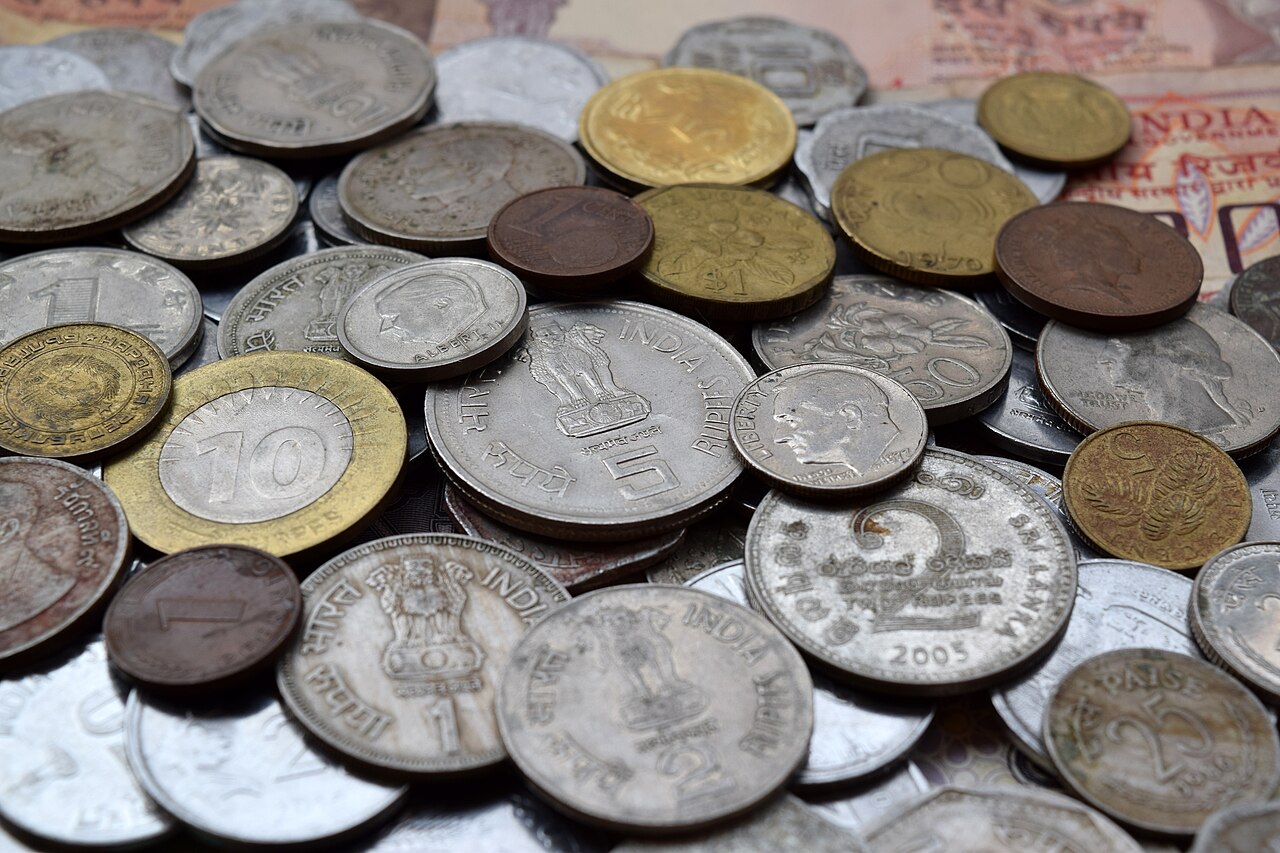
When a detail is unclear, say so. “Date partly readable” is stronger than forcing a full date. “Possible mint mark” is safer than presenting a mint as settled. The inventory becomes more useful when it shows the path from evidence to conclusion.
Keep condition notes separate from grades
A condition note can describe what is visible without turning into a formal grade. Write what you see: heavy wear on high points, scratches in the field, rim marks, spots, cleaning-like brightness, toning, corrosion, or edge damage. Avoid numeric grades unless a reliable source has actually assigned one.
This separation is especially important for inherited coins and mixed lots. Many coins look better or worse under different light. A plain note plus good photos gives you something stable to revisit. A guessed grade can mislead later decisions about storage materials, insurance, sale, or further research.
Attach photographs to the entry
Photograph both sides of the coin. Add an edge photo when the edge has lettering, damage, reeding, or another visible feature worth recording. The goal is documentation, not glamour. Clear, flat, well-lit photographs beat dramatic images that hide surface detail.
Name the files with the inventory ID. If you change the storage location or update the written record, keep the photo link intact. Without photos, memory carries too much weight when several pieces share the same denomination or design.
Preserve acquisition and source notes
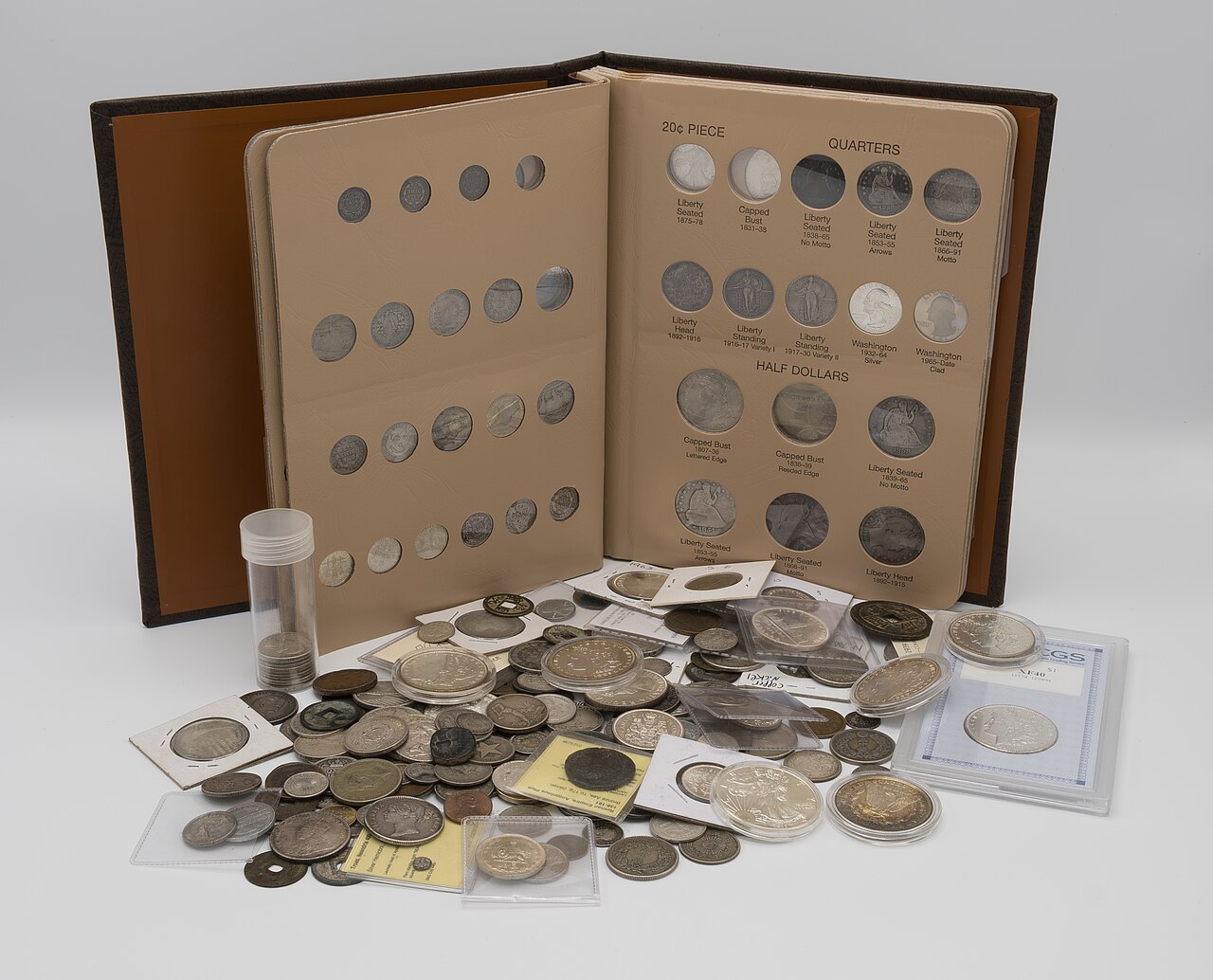
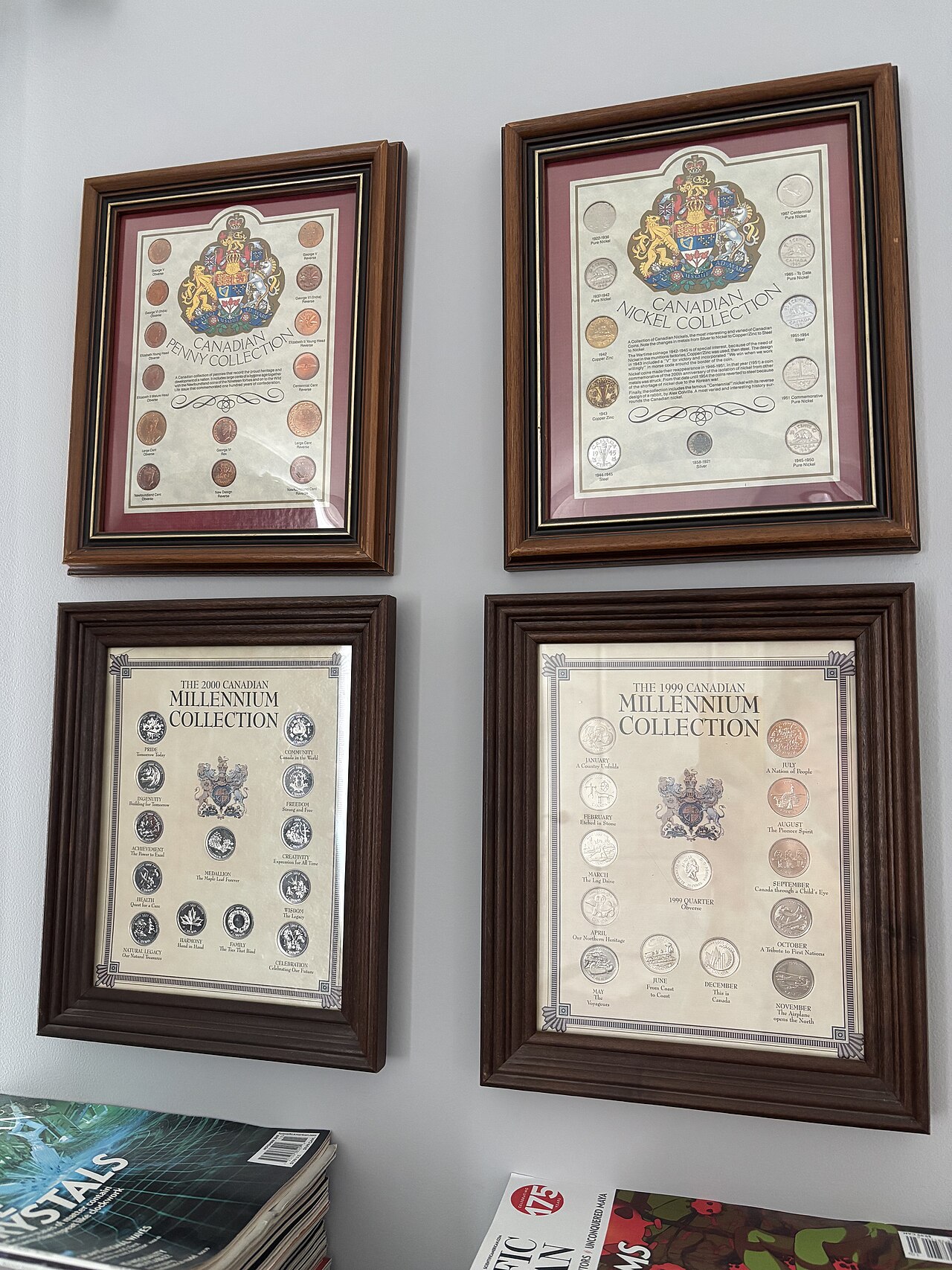
Record how the coin entered the collection if you know it: inherited group, dealer purchase, club trade, show pickup, online order, or old album. Add the date acquired when known and keep receipts, labels, envelopes, or seller descriptions as supporting material.
Treat the source note carefully. “Seller described as uncirculated” is different from “uncirculated.” “Came from grandfather’s box” is a provenance note, not an authentication result. The wording should preserve the history without overstating it.
Use a simple review status
Add one field that tells you what the entry needs next. Useful statuses include “record complete,” “needs identification,” “needs better photo,” “needs weight check,” “needs attribution,” and “ready for outside opinion.” This keeps the inventory active without pretending every question is settled.
Review statuses also help you spend time wisely. You can batch photography, measurement, and research instead of reopening the same box repeatedly. The inventory becomes a working tool, not a one-time filing exercise.
Final practical advice
The best coin inventory is boring in the right way. It uses repeatable fields, modest language, clear photographs, and visible uncertainty. It does not try to turn every coin into a graded asset. It records what you know today so future work starts from evidence, not memory.
If you improve one habit first, make it this: never let a guess look like a fact. A careful “unknown” is more valuable than a confident entry you cannot support.
Notes
[1] This guide uses descriptive condition notes as collector recordkeeping, not formal grading standards or authentication conclusions.