

Before a built LEGO model goes into a moving box, photograph it, remove the parts most likely to catch or snap, and support the main build without pressing on it. The safest box is clean, rigid, cushioned around the model, and light enough to lift without crushing what is inside.

Key takeaways
- Why a built model needs a moving plan
- Photograph and label it first
- Remove vulnerable details
Why a built model needs a moving plan
A finished build can look sturdy while still having loose sections, projecting details, and connections that are easy to disturb. Moving brings lifting, vibration, and changes of orientation. A few minutes spent documenting the model and deciding what should come off is easier than figuring out where an unlabelled piece belongs after the move.
If the model is displayed in sections, treat each section as its own packing job. Keep the build identifiable, keep detached parts with it, and stop the box from becoming a second puzzle.
Photograph and label it first
Take photographs from several angles before dismantling anything. Include the front, back, sides, top, and any area where a section joins the main build. These pictures provide a reassembly reference and show which loose elements belong to the model.
Give every section or bag a simple label. “Roof,” “vehicle,” or “left-side details” tells you more than one large bag marked “LEGO.” Keep a short parts note with the photographs if the model has several detachable groups.
Remove vulnerable details
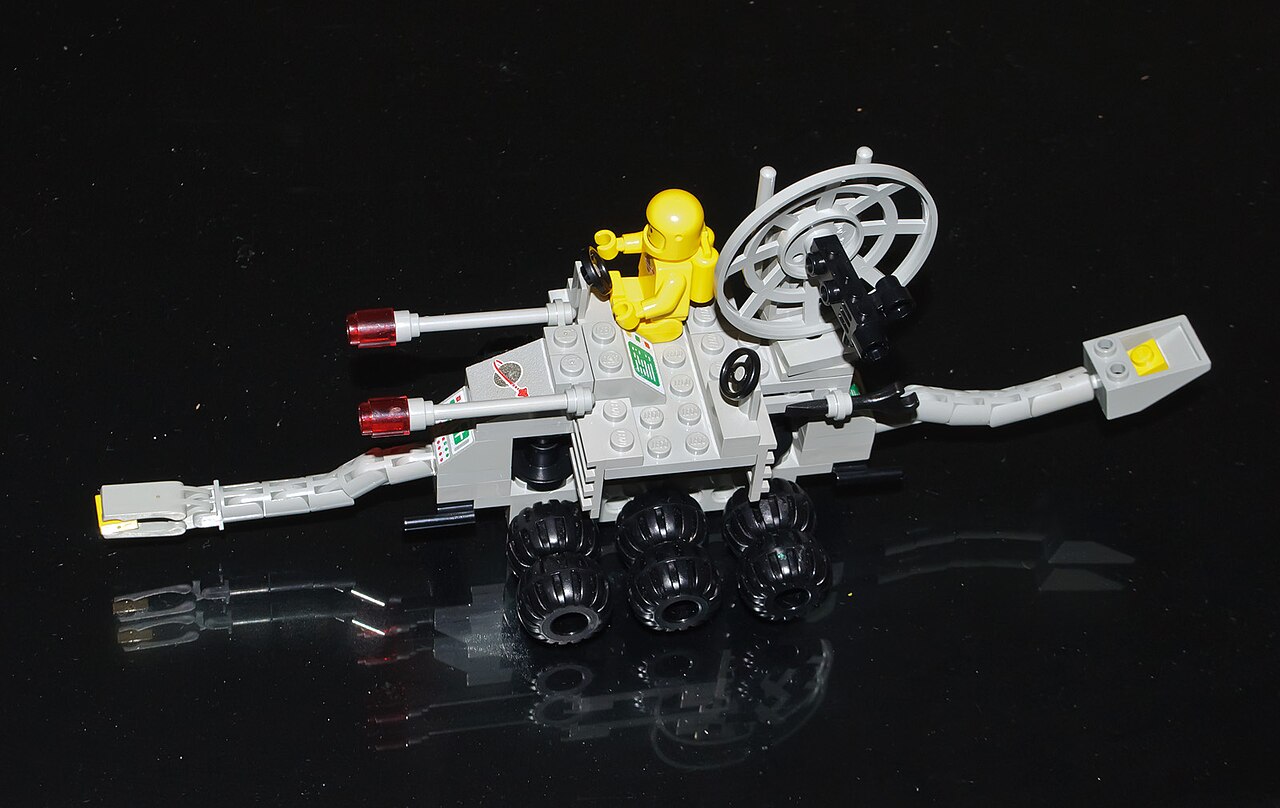
Detach fragile, projecting, or easily caught elements before packing the main model. These might include antennas, flags, trees, vehicles, minifigures, roof sections, and decorative parts that extend beyond the main shape. Do not force a part that is firmly integrated into the build. If it does not separate cleanly, leave it in place and protect the area around it.
Put each group in its own clean, labelled bag or small container. Keep those bags with the matching model instead of putting all loose pieces into one moving-supplies box. That separation reduces loss and makes the photographs useful later.
Choose a box that supports the model
Use a clean rigid container with enough room for the model and cushioning on all sides. A box that is too small transfers pressure to the build. One that is too large lets it slide. The model should sit in place, with padding around it, not a tight layer forced over its upper surfaces.
Cushion the base and sides first. Fill open space with soft, clean material so the model cannot travel across the box when it is lifted. Keep the padding from pushing into fragile details. If the model has a broad base, support that base and leave the decorative top free of pressure.

Pack for handling
Mark the box with the model name and an orientation note if useful, but do not rely on the label alone. Keep the box where it can be carried without being dropped or squeezed. Avoid placing heavy boxes on top. Top-loading can compress the container and increase the chance of breakage.
For a large model, use more than one supported container if that keeps each load manageable. Label every container as part of the same model. Moving the build in smaller, clearly identified sections is safer than forcing an awkward shape into one box.
Control the storage conditions
Keep the packed model in a dry, moderate location away from excessive moisture, heat, and direct sunlight. Avoid a leak-prone spot, a radiator, a hot vehicle, or a bright window. Do not put the container directly in a damp area just because the storage is temporary.
Before stacking nearby boxes, check that the model box remains supported and that nothing is bearing down on its lid. Keep the detached-parts bags inside or beside the correct container so they stay with the model throughout the move.
Reassemble without guessing
When the model reaches its new location, use the photographs as your reference. Open one model box at a time and keep its labels and parts together. Reattach the larger sections first, then work through the smaller bags. If a piece is not obvious, set it aside and compare it with the photographs instead of forcing it into a nearby connection.
Keep the build on a stable surface while you work. Once it is complete, view it from the same angles used before packing. That makes it easier to spot a missing section or a detail in the wrong position.
Final practical advice
The dependable moving routine is simple: photograph the model, label the sections, remove vulnerable details, cushion the main build in a rigid box, keep heavy boxes off it, and store it in a dry moderate place. For broader display and storage ideas, see GrandCollector’s LEGO storage and display guide.
There is no need to dismantle every model completely. Separate what is vulnerable or clearly detachable, support the rest, and keep the record beside the build. That saves reassembly time while reducing avoidable damage from loose parts, pressure, and poor labelling.
Notes
[1] Research packet, moving and handling: photograph a built LEGO model from several angles and label sections or loose elements before packing.
[2] Research packet, moving and handling: remove detachable, fragile, or protruding elements before packing the main model.
[3] Research packet, storage and packing: use a clean rigid container with cushioning around the model and avoid pressure directly on the build.
[4] Research packet, organization: keep detached parts in separate labelled bags or containers with the corresponding model.
[5] Research packet, environmental storage: keep stored LEGO models away from excessive moisture, heat, and direct sunlight.
[6] Research packet, storage and packing: avoid stacking heavy boxes on top of a box containing a built LEGO model.