

Collectible sneakers are often sold with a story attached: a famous release, a limited run, a celebrity connection, or a claim that a pair is “deadstock.” The story may be true, partly true, or simply copied from another listing. A careful buyer starts with the object, the evidence, and the risks—not the headline.
Start with provenance
Provenance is the record of where a pair came from and how it reached the current seller. It can include the original retailer receipt, order confirmation, dated photographs, previous invoices, collection records, or a documented transfer from the first owner. None of these items proves authenticity by itself, but together they can make the ownership history easier to test.
Ask specific questions. When and where was the pair purchased? Was it worn, stored, or resold? Does the box belong to the shoes? Are there photographs showing the pair before the current listing? A seller who cannot answer every question may still have a genuine pair, especially for older releases, but the missing history should reduce confidence and affect what you are willing to risk.
Separate release facts from seller claims
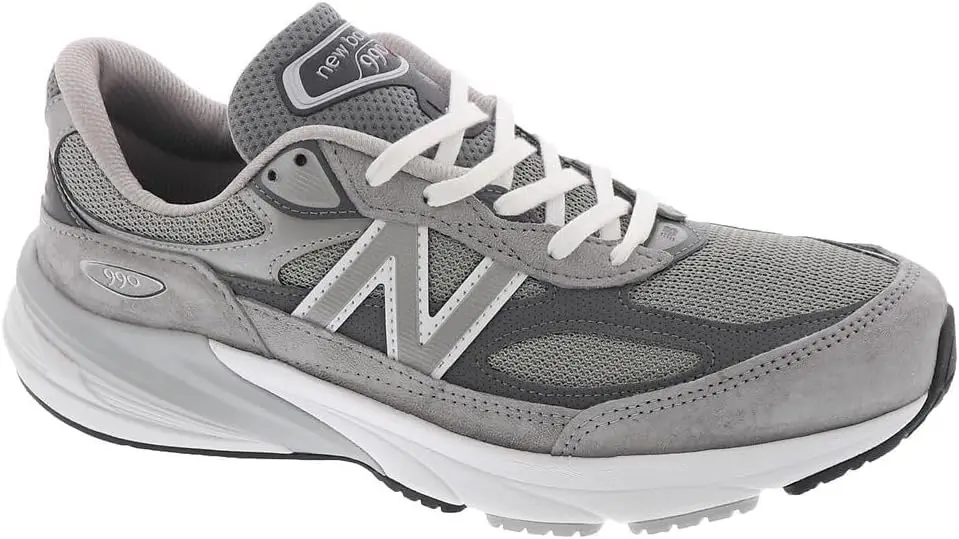
Before evaluating condition, confirm the basic release information from reliable records. Check the model name, style or product code, colour description, size, release period, and the details that should appear on the box label and inside the shoe. Manufacturer archives, contemporary retailer records, reputable reference books, and established auction catalogues can help establish what was actually released.
Release documentation is useful because counterfeit listings often combine a real model name with the wrong label format, colour description, box, or size run. A matching product code is not enough: fake pairs can copy codes from authentic shoes, and genuine boxes can be paired with different shoes. Treat documentation as a chain of checks, not a magic certificate.
Condition is more than “unworn”
Condition descriptions are inconsistent. “New,” “unworn,” “deadstock,” and “near mint” can mean different things to different sellers. Look at clear photographs of both shoes, the outsoles, midsoles, collars, tongues, insoles, heel areas, stitching, logos, labels, and all accessories. Ask for close-ups of any area hidden by tissue paper or laces.
- Outsoles: Look for tread wear, dirt in the grooves, heel drag, separation, and hardening.
- Midsoles: Check for yellowing, cracking, compression, peeling, or evidence of repainting.
- Uppers: Inspect creasing, scuffs, stains, colour transfer, dry leather, flaking coatings, and uneven panels.
- Interior: Check the insoles, size tags, footbed markings, odour, and signs of moisture or mould.
- Accessories: Compare spare laces, hangtags, tissue, inserts, and box condition with the release documentation.
A pair can be unworn yet structurally compromised. Adhesives, foam, rubber, synthetic coatings, and some leather finishes can deteriorate during long storage. Conversely, a lightly worn pair may be more usable than a supposedly untouched pair that has been stored badly.
Assess storage history
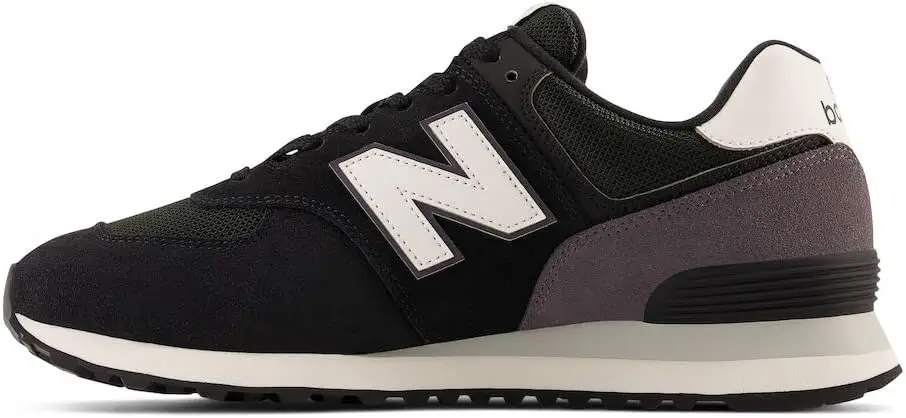
Storage affects both appearance and wearability. Heat, humidity, direct sunlight, dust, pressure, and fluctuating temperatures can damage materials or distort shape. Ask whether the shoes were kept in an attic, garage, damp basement, display case, or climate-controlled room. The answer is not proof of damage, but it tells you where to look.
Do not assume that an original box is protective. Cardboard can retain moisture, and plastic bags can trap it. Look for corrosion on eyelets, brittle rubber, staining on tissue, warped soles, and a musty smell. If a seller refuses to show the inside of the box or the sole edges, treat that omission as a condition risk.
Authentication needs multiple signals
Authentication is not a single visual trick. Compare the pair against several trustworthy references: construction, materials, stitching, fonts, label placement, hardware, outsole pattern, insole details, box printing, and packaging. Small differences matter, but a photograph-only opinion can still be wrong when images are dark, edited, incomplete, or taken from a flattering angle.
For an expensive or difficult-to-replace purchase, use a recognised authentication service or an experienced specialist who can inspect the actual pair. Understand the service’s limits before paying. A result may cover authenticity but not condition, restoration, ownership history, or future resale. Keep the written assessment and the listing record with your collection files.
Resale is uncertain
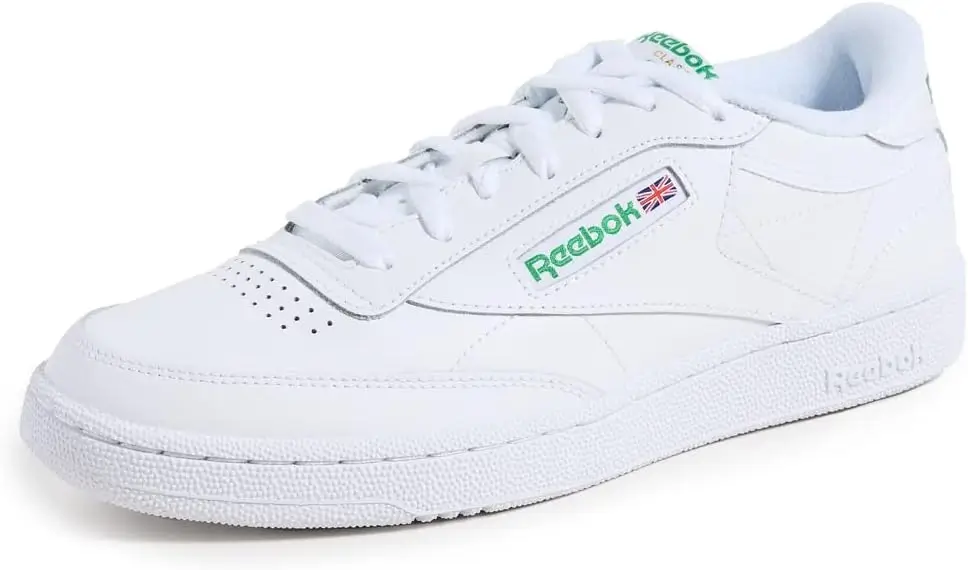
Collectible sneakers are not guaranteed investments. Demand can change with fashion, athlete or celebrity attention, reissues, platform rules, economic conditions, and the availability of comparable pairs. A catalogue estimate, asking price, or unsold listing is not the same as a completed sale. Fees, shipping, authentication costs, taxes, returns, and damage can reduce the amount a seller actually receives.
Buy a pair because its history, design, or place in your collection makes sense to you. If resale matters, record the purchase date, seller, receipt, condition, photographs, authentication documents, and storage changes. Good records improve transparency; they do not guarantee a profit.
Buyer red flags
- Pressure to pay immediately because another buyer is supposedly waiting.
- Stock photos, cropped labels, or no photograph of the actual pair.
- Refusal to show soles, size tags, box labels, or close-ups of defects.
- Contradictory release details, vague ownership history, or copied listing text.
- Unusually low pricing paired with a promise of guaranteed authenticity or future value.
- Payment requests that remove platform protection or leave no written record.
- Claims that a celebrity connection, “sample” status, or rarity cannot be documented.
The safest response to several red flags is not a more aggressive negotiation. It is walking away. There will always be another pair, while a disputed purchase can consume more time and money than the shoes are worth.
A practical buying record
Before committing, save the complete listing, seller messages, photographs, release references, receipt, payment record, and any authentication report. Write down what was promised and what was not. On arrival, photograph the unopened package, inspect the pair promptly, and compare it with the listing before removing tags or changing the condition. If the pair is materially different, use the platform’s documented dispute process within its deadline.
Notes
- Release details should be checked against manufacturer information, contemporary retailer records, reputable reference works, or established auction catalogues. These sources can confirm documented facts but cannot authenticate an individual pair without examining it.
- Condition terminology is not standardised across all sellers. The guidance above is a practical inspection framework, not a formal grading scale.
- Material ageing and storage damage vary by construction, climate, and storage conditions. Manufacturer care guidance and a qualified conservator or repair specialist are better sources for a specific pair.
- Past sale results, asking prices, and catalogue estimates describe different things. None is a promise of future resale value.