

A sneakerhead is someone who follows, wears, studies, collects, or participates in sneaker culture. The term can describe a casual enthusiast with a few meaningful pairs or a dedicated collector who tracks designs, collaborations, release history, materials, and condition.
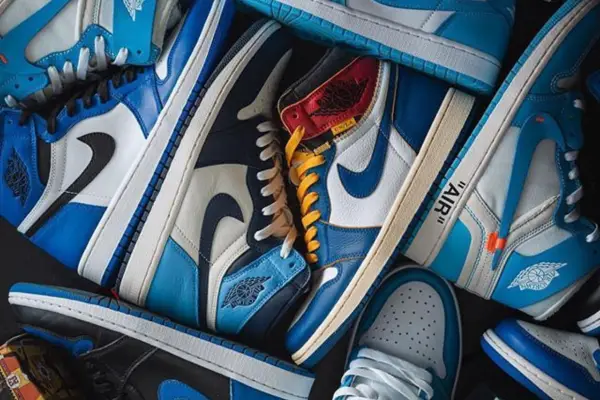
There isn’t a membership test, spending threshold, or single style that makes someone a sneakerhead. Some people collect basketball shoes, running shoes, skate shoes, or classic casual models. Others focus on a brand, a designer, a particular era, or the connection between sneakers and music, sport, art, and streetwear. The hobby is broad, and it shouldn’t be reduced to stereotypes about wealth, status, or chasing every release.
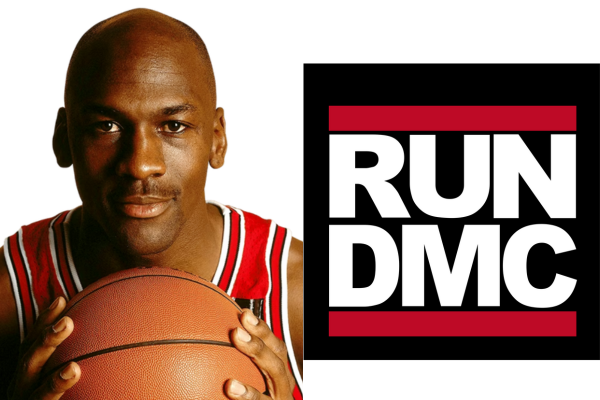
Sneaker terminology to know
Sneaker communities use shorthand that can be confusing at first. These terms appear frequently in listings, forums, and collection discussions:
- Deadstock (DS) usually means a pair that has not been worn. The exact meaning can vary, so check the seller’s description.
- New with defects (N/D) describes an unworn pair with a manufacturing flaw, damaged packaging, or another disclosed issue.
- Used or pre-owned means the shoes have been worn. Wear should be described clearly rather than hidden behind vague language.
- Colorway refers to a particular combination of colors and materials.
- Collaboration is a release created with another designer, brand, artist, store, team, or organization.
- Retro generally refers to a previously released design brought back, sometimes with changes to materials or shape.
- OG can mean “original,” but its use depends on context. It may refer to an original release, an original colorway, or design details associated with an earlier version.
- Grail is a personal term for a pair a collector particularly wants. It doesn’t prove that the shoe is rare or valuable.
Why people collect sneakers
Collectors have different goals. One person may collect shoes connected to a favorite athlete or childhood memory. Another may be interested in design, construction, brand history, or the evolution of performance technology. Some collectors wear every pair, while others preserve selected pairs as visual references or historical objects.
Building a collection around a clear purpose can make the hobby more satisfying and less expensive. A theme might be a specific sport, a design period, a color family, or shoes that fit a particular lifestyle. A collection doesn’t need to be large to be meaningful. A small group of well-chosen pairs can tell a stronger story than a crowded closet assembled through impulse purchases.
Condition is more than “new” or “used”
Condition affects how a sneaker looks, wears, and is described in a sale. Inspect the uppers, midsoles, outsoles, heel areas, insoles, laces, stitching, labels, and packaging. Look for discoloration, creasing, separation, peeling, odors, replacement parts, and signs of storage damage.
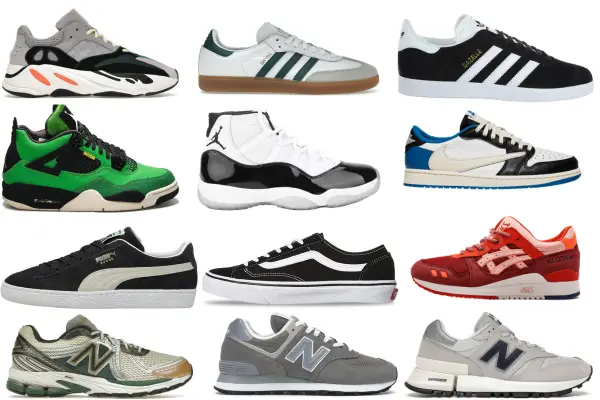
Even unworn sneakers can deteriorate. Adhesives may weaken, foam can change, and some materials may yellow or crack with age. Original packaging is useful context, but a box alone doesn’t guarantee excellent condition. Ask for clear photographs of both shoes, the size label, soles, heel tabs, and any flaws before buying remotely.
Authenticity requires evidence
Popular models attract copies, altered pairs, mismatched components, and misleading listings. No single detail proves authenticity in every case. Compare the size and production labels, stitching, shape, materials, logos, insoles, packaging, and included accessories with reliable references. Small differences can result from production runs, but unexplained inconsistencies deserve caution.
Use established marketplaces or professional authentication services when the risk justifies the cost, and understand what their guarantee does and doesn’t cover. A receipt or original box can support a claim, but neither is conclusive by itself. Be particularly careful with unusually cheap offers, pressure to pay outside a platform, stock photographs, incomplete descriptions, and sellers who refuse detailed pictures.
Community is part of the hobby
Sneaker culture includes collectors, designers, athletes, retailers, customizers, photographers, historians, and people who simply enjoy wearing interesting shoes. Communities may gather through local events, specialist forums, social platforms, shops, and trade groups.
Good participation means asking informed questions, crediting photographers and designers, disclosing flaws when selling, and respecting different budgets and tastes. A person who wears affordable general-release sneakers is no less interested than someone who owns limited collaborations. Knowledge should help people make better decisions, not establish a hierarchy.
Buy deliberately, not under pressure
Release culture can encourage urgency. Before buying, decide whether you want the shoes for wearing, collecting, research, or gifting. Check the fit and return rules where applicable, set a budget, and include cleaning, repairs, shipping, fees, and storage in the real cost.
Don’t treat every limited release as a financial opportunity. Demand can change, condition can decline, and resale prices are uncertain. A sneaker may be personally important without becoming more valuable. Buy because the pair suits your collecting goals, not because a seller promises guaranteed profit or future scarcity.
Storage and care
Store sneakers in a cool, dry, reasonably stable environment away from direct sunlight, dampness, heat sources, and tightly packed piles. Allow materials to breathe, avoid trapping moisture inside the shoes, and use clean, non-damaging supports where needed. Keep pairs off dirty floors and handle them with clean hands when inspecting delicate materials.
Boxes can protect against dust, but they aren’t a substitute for suitable conditions. Photograph important pairs, record purchase details, and note repairs or replacements. For shoes intended to be worn, regular gentle cleaning and appropriate rotation may be more useful than trying to preserve every pair indefinitely.
Ethical and responsible collecting
Responsible collecting starts with honest transactions and realistic consumption. Don’t buy counterfeit goods, misrepresent condition, exploit another person’s mistake, or use bots and deceptive methods to bypass fair access. Consider whether a purchase adds genuine value to your collection before acquiring it.
Think about labor, materials, waste, and the lifespan of the shoes. Repairing, cleaning, trading, donating, or responsibly recycling unwanted pairs may be preferable to treating sneakers as disposable. Respect cultural references and collaborations, and give credit when sharing custom work or collection photography.
The strongest sneaker collections aren’t necessarily the biggest or most expensive. They reflect curiosity, personal meaning, careful buying, and respect for the people who make and collect the shoes. That is sneaker culture without the hype: informed, social, and grounded in enjoyment rather than promises.
Notes
Source notes: Terminology is based on common usage in sneaker collecting and resale communities. Condition and storage guidance reflects general footwear-care principles. Authenticity checks are guidance, not a substitute for a professional authentication service. No investment return, rarity, price, or product-availability claims are made.