

Updated August 2026. Current products, availability, and prices change quickly.
A list of stamps that can be bought today ages faster than a history guide. Retailers change inventory, sellers change prices, and an item being available does not make it a sound purchase. A better guide helps you assess a current stamp release without pretending that every recommendation is scarce or profitable.
Start with the issuing authority
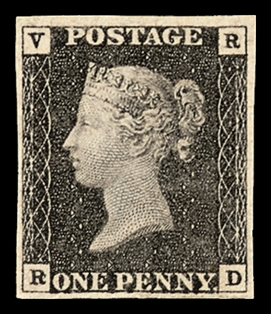
Identify who issued the stamp, when it was released, the denomination or service, and whether it is intended for postage, collecting, or a commemorative program. Use the postal authority’s own catalogue or release information where possible. Record the issue date and format because sheets, panes, booklets, coils, and miniature sheets can be different products.
Separate collecting interest from investment language
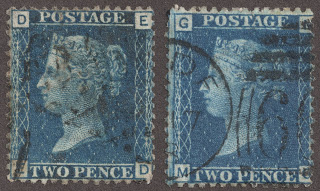
A stamp can be enjoyable because of its design, history, printing method, subject, or connection to a personal interest. None of those qualities guarantees future demand. Be cautious when a seller describes a modern issue as a “sure winner,” “future rare stamp,” or “investment.” Ask what evidence supports the claim.
Check condition before buying
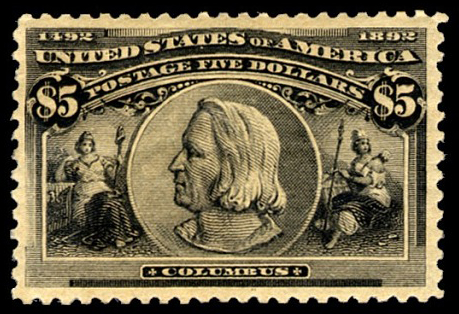
Look for intact gum where applicable, clean perforations, sharp centering, undamaged paper, and no folds, thins, foxing, stains, or hinge damage unless the item is being sold specifically as used or damaged. A certificate can help with a scarce item, but it does not replace careful inspection.
Compare like with like
Do not compare a mint sheet with a used single, a signed cover with an unused stamp, or a dealer’s asking price with a completed sale. Record the exact issue, condition, format, and whether the item includes an envelope, certificate, or original packaging.
Use a budget and a collecting theme
New collectors usually make better decisions when they choose a manageable theme: a country, time period, subject, printing method, or postal history area. Buy fewer examples and document each purchase. A collection built around a clear question is more useful than a box of random modern releases.
Red flags
- Unverifiable claims about future value.
- Stock photographs instead of the actual item.
- Missing issue details or condition disclosure.
- Pressure to buy immediately because a listing is “about to disappear.”
- A price based on an unsold listing.
Bottom line
Current stamps can be worth collecting, but availability is not rarity and rarity is not a guaranteed return. Buy issues you can identify, inspect, and enjoy, then keep a record of what you paid and why you bought it.
Notes
[1] Postal authorities publish official issue information and release formats for their own stamps.
[2] Condition terminology varies by dealer and catalogue; compare the actual item with the description.