
Vaulted is Funko’s term for a collectible that has been officially retired from production or circulation. It does not mean a Pop is automatically rare, valuable, or a good investment. In practice, the word is useful only when it describes a specific figure and box version, not a character, franchise, or every Pop in a product line.
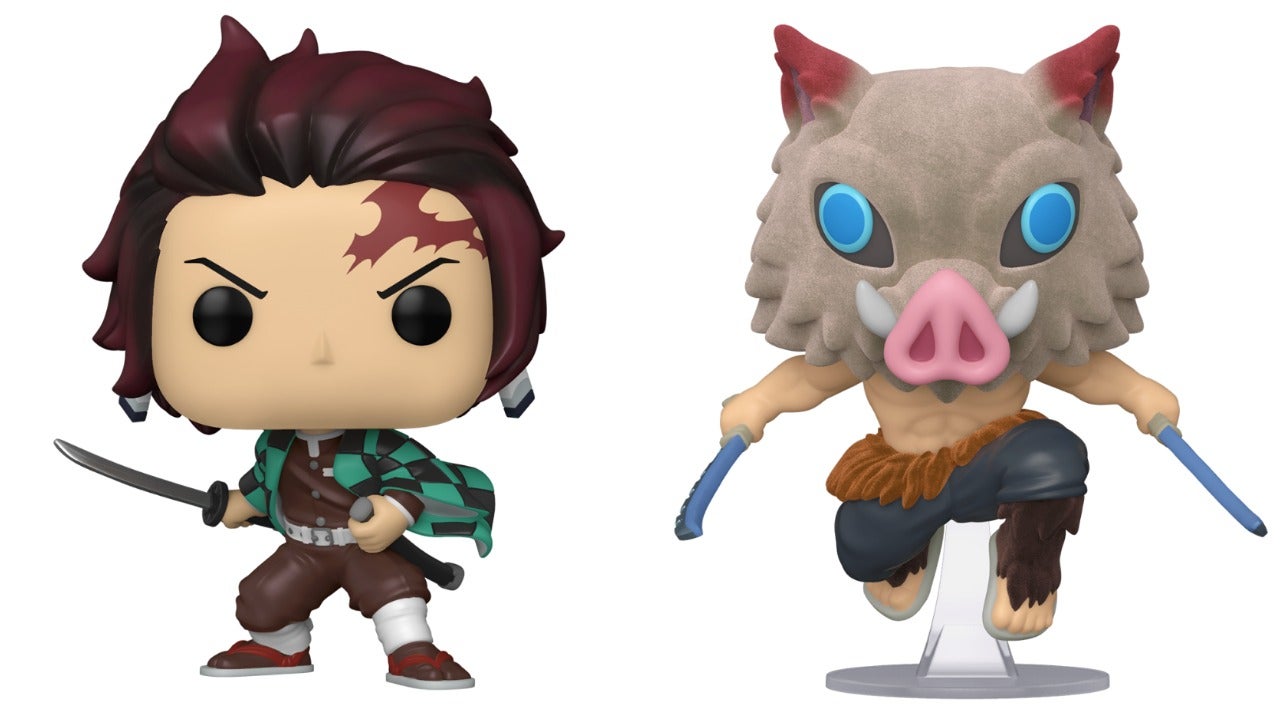
Vaulted, retired, and sold out are not the same thing
A Pop can disappear from a retailer because that shop sold its stock, because Funko temporarily removed the listing, or because distribution has moved to another market. That is a sold-out or unavailable listing, not proof of retirement. A vaulted Pop is one Funko has identified as officially retired. Funko’s own From the Vault collection describes these products as officially retired and no longer available to purchase on Funko.com.
Collectors and resale listings sometimes use retired, discontinued, and vaulted as if they were interchangeable. Treat those labels as claims to verify, especially when a seller uses them in a headline. A retailer’s “out of stock” notice, an old social-media post, or a price-guide label alone does not establish current official status.
How to check official status
Start with the exact item, not a broad search for the character. Record the box number, product name, sticker or convention designation, exclusive retailer, and any visible variant details. Then use several checks:
- Check Funko’s site. Search the official product catalogue and the From the Vault section. A page that identifies an item as vaulted is stronger evidence than a third-party listing.
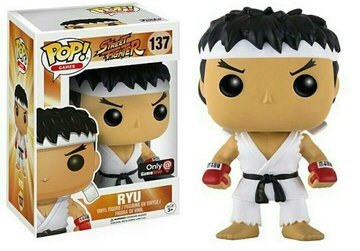
- Compare the exact version. A common release, retailer exclusive, convention edition, chase, flocked version, and signed piece may have different product records and different supply. “This character is vaulted” is too vague.
- Use the official Funko app as a catalogue aid. Funko describes the app as a collection and value-tracking tool. A barcode match can help identify a product, but it is not, by itself, a complete authentication decision or proof of market value.
- Save evidence. Keep a screenshot or URL and note when you checked. Product pages, terminology, and availability can change.
If Funko does not clearly confirm the status, describe the Pop as “currently unavailable” or “widely described by sellers as vaulted,” rather than presenting an uncertain label as fact.
Why vaulted does not guarantee scarcity or appreciation
Retirement stops a particular product from being sold as a current item by Funko; it does not reveal how many were made, how many remain, or how many collectors want them. A mass-produced Pop can have a large existing supply. Many owners may also list their figures at the same time, creating plenty of available examples even after production ends.
Demand can change when a film, series, game, or celebrity returns to public attention, but it can also fade. A later version, restock of retailer inventory, licensed reissue, or a different sculpt may reduce interest in the older one. “Vaulted” therefore describes production history, not a promise of scarcity or future appreciation. Buy because the figure fits your collection; treat any future price increase as uncertain.
Condition and provenance matter
For boxed Pops, condition applies to both the vinyl figure and its packaging. Check every corner, window, seam, flap, sticker, and printed surface. Look for crushing, creases, tears, fading, moisture damage, tape residue, replacement packaging, loose accessories, paint defects, and a figure that does not match the box. A vaulted label cannot compensate for significant damage.
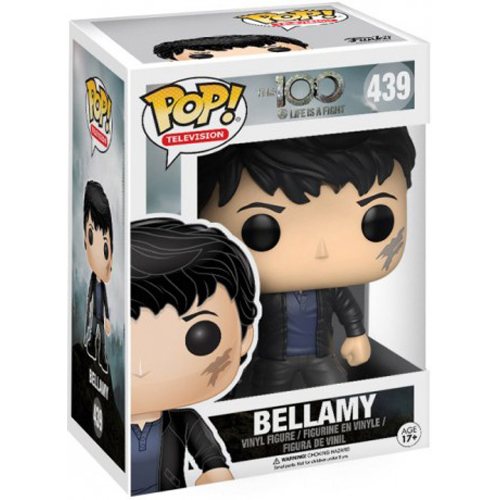
Provenance means the documented history of the item: where it was bought, when it was acquired, who owned it, and whether receipts, event records, or prior sale records exist. Provenance does not make a questionable item genuine, but a clear chain of ownership can make an unusual exclusive easier to evaluate. Ask for sharp photographs of the front, back, sides, top, bottom, stickers, and the figure outside the box when appropriate. Compare those details with Funko’s official images and established collector references.
Use completed sales, not asking prices
A seller’s asking price is an opinion. To estimate a realistic market range, search for the exact box number and version, then review completed or sold listings. Separate genuine sales from unsold listings, cancelled orders, bundles, damaged examples, signed items, and listings with different stickers. Compare several recent transactions rather than treating one unusually high result as the market.
Also account for shipping, platform fees, taxes, currency, and the seller’s return policy. A price guide or app estimate can help organize research, but it should not replace comparable sales for the exact item and condition.
Buyer red flags
- The listing says “rare,” “investment,” or “guaranteed to rise” without identifying the exact product and evidence.
- The price is dramatically below comparable sales, but the seller refuses detailed photographs or questions about provenance.
- Stock images are used instead of photos of the item being sold.
- The box number, character, sticker, colour, pose, or accessories do not match the description.
- Packaging has blurry printing, misspellings, incorrect logos, poor alignment, or a sticker that looks wrong compared with documented examples.
- The seller pressures you to pay outside the platform, avoids buyer protection, or offers no meaningful return route.
A barcode scan or catalogue entry can confirm that a product record exists, but counterfeiters can copy packaging and codes. When doubt remains, pause the purchase and seek a second opinion from an experienced collector or an authentication service that can explain its process.
Notes
[1] Funko, “From the Vault,” https://funko.com/from-the-vault — official description of the Vaulted Collection and retired products.
[2] Funko, “Get the NEW Funko App!,” https://funko.com/funko-app.html — official information about the collection and value-tracking app.
[3] Funko, “New Funko App Integrations With The Collectors In Mind,” https://funko.com/funko-blog-home/funko-stabilizes-collection-value-tracking-with-new-app-integration.html — official discussion of catalogue, collection, and value-tracking features.
[4] Funko, “Funko x Octane5: New Stickers to Authenticate Your …,” https://funko.com/funko-blog-home/funko-x-octane5-new-stickers.html — official information about QR-code and item-code verification stickers.