
This guide covers ten types of paper money that offer a mix of history, good looks, and realistic availability in 2026. Whether you like American classics, world currency with new security features, or notes from times of economic crisis, you’ll find something here to interest you
Top 10 Achievable Paper Money to Collect
1. 1957 $1 Silver Certificate
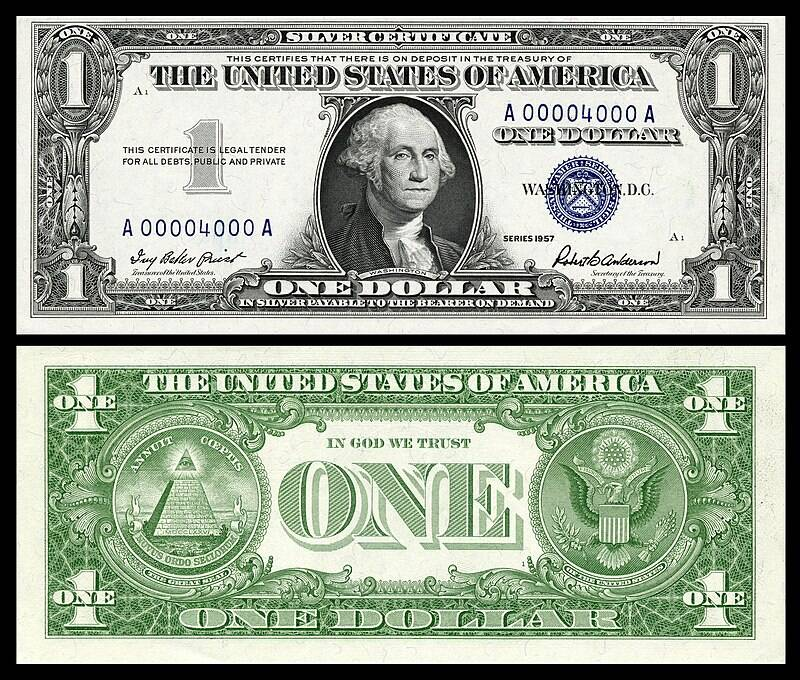
Price Range: $1.50–$2 (circulated), $12–$12.50 (uncirculated MS63), $17+ (star notes)
The 1957 $1 Silver Certificate is a common starting point for American paper money collections. With about five billion printed, these are the most widely available silver certificates.
The blue Treasury seal next to George Washington’s portrait is a reminder that these notes were once exchangeable for real silver at the bank.
Because they are so common, these notes are great for beginners. Circulated examples often cost just a little more than face value, while uncirculated ones usually sell for $12 to $15. Star notes, which have a small star in the serial number, are more expensive at about $17 each.
You can find these notes on eBay, at coin shops, and from dealers like Great American Coin Company and Money Metals Exchange.
The 1957 series includes three types: 1957, 1957A, and 1957B, each signed by a different Treasury Secretary. Collecting all three is an easy way to start learning about signature varieties without spending much money.
2. 1953 $2 Red Seal (United States Note)
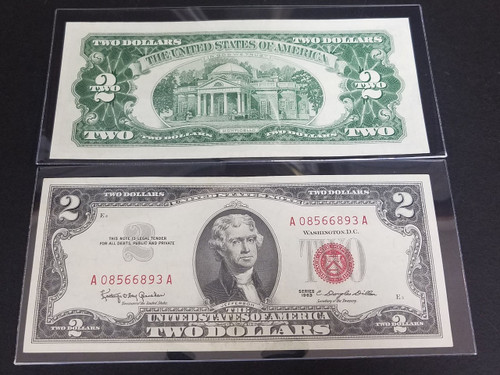
Price Range: $2.50–$3 (circulated), $12–$25 (uncirculated), $60–$120+ (star notes)
The bright red seal and serial numbers make these $2 bills stand out from the ones you see today. The 1953 series is a United States Note, unlike the Federal Reserve Notes we use now. Thomas Jefferson is on the front, and his home, Monticello, is on the back.
Nearly 80 million of these notes were printed across the 1953, 1953A, 1953B, and 1953C series, making them easy to find. Circulated notes cost $2.50 to $3, making them a good choice for new collectors. Uncirculated notes range from $12 to $25, depending on their condition.
Star notes from this series start at about $60 and can reach $100 or more for top-quality examples. The red Treasury markings, the unusual $2 denomination, and their easy availability make these notes both interesting to discuss and great for collections.
3. 1935A Hawaii WWII Emergency $1 Note
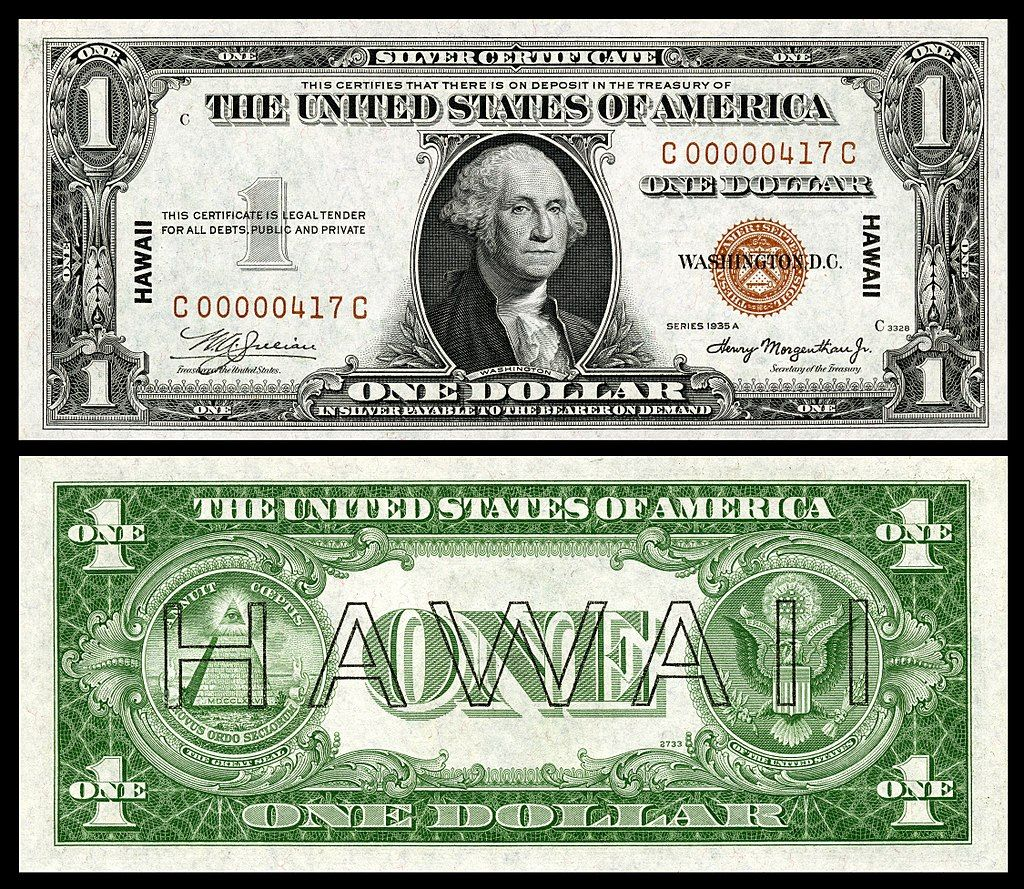
Price Range: $25–$40 (circulated), $80–$150+ (uncirculated)
This note has real wartime history behind it. After Pearl Harbor, the U.S. government worried that Japanese forces might take over Hawaii and get hold of American money. To prevent this, they printed special notes that could be made worthless if Hawaii were captured.
These emergency notes have brown seals instead of the usual blue and the word “HAWAII” printed clearly on both sides. About 35 million were produced between 1942 and 1944, and they were used only in Hawaii during the war.
Circulated examples usually cost $25 to $40, making real WWII history affordable for most collectors. Uncirculated notes are more expensive at $80 to $150 or more, but even a worn note has a story to tell.
Each one survived a time when its owner faced real uncertainty, which is part of what makes collecting paper money so interesting.
4. Fiji 2026 Complete Polymer Series
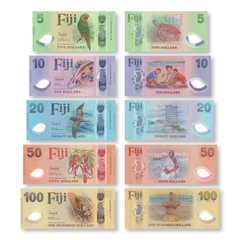
Price Range: $197.95 (complete set with matching serials), $7–$84 (individual notes)
On December 2, 2025, the Reserve Bank of Fiji launched its first full set of polymer banknotes. The five denominations ($5, $10, $20, $50, and $100) include what Fiji says are the world’s first “motion surface” security features, which create moving effects when you tilt the notes.
These notes are made from a special plastic called BOPP, putting them at the forefront of banknote technology. They last longer than paper, are harder to fake, and are better for the environment because they stay in use longer.
Now is a great time for collectors, since these notes have just started circulating. You can easily find uncirculated examples from dealers like Robert’s World Money.
A full set with matching serial numbers costs about $197.95. These first-issue notes have advanced security features and may become more valuable as perfect examples get harder to find.
5. Thailand 2025 Polymer 50 & 100 Baht
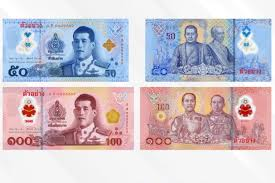
Price Range: $4.95 (50 baht), $7.95 (100 baht)
Thailand took another step in modernizing its currency by releasing new polymer 50- and 100-baht notes on November 21, 2025. These join the earlier 20-baht polymer note, bringing Thailand closer to a full set of polymer banknotes.
These notes are especially appealing to collectors because they are affordable. The 100-baht note costs less than $8, and the 50-baht note is under $5, so you can get both for about $13.
For a small price, you get new notes from a major Southeast Asian country, featuring King Rama X and unique Buddhist designs.
Dealers such as Robert’s World Money sell these notes at the listed prices. Since Thailand is slowly switching to polymer notes, getting early issues from this series is an affordable way to build a meaningful collection over time.
6. German 1923 Weimar Republic Hyperinflation Notes
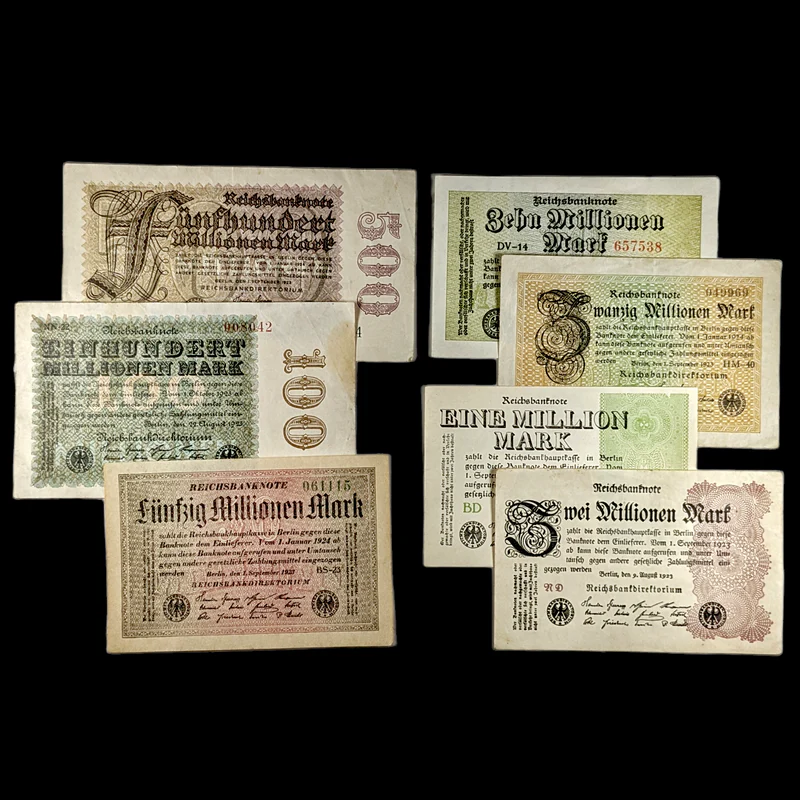
Price Range: $2–$10 (most denominations), $15–$40 (complete sets)
Interested in owning a piece of economic history? German hyperinflation notes from 1923 let you do that for very little money. During the Weimar Republic’s crisis, the mark lost value so quickly that prices became almost impossible to imagine. At its worst, inflation was 29,500% per month.
People used wheelbarrows of cash to buy bread, and banknotes were even used as wallpaper because they were cheaper than real wallpaper.
The Reichsbank printed notes in huge denominations: 1 million marks, 10 million, 100 million, and by late 1923, even 100 trillion marks. Many of these notes still exist today. Sets with different denominations sell for $15 to $40 on Amazon and eBay, and single notes go for $2 to $10.
These notes are worth collecting for their educational value alone. In November 1923, the mark was replaced by the Rentenmark at a rate of 1 trillion to 1, turning these notes into instant historical artifacts.
Holding a 100-million-mark note is a powerful way to understand how damaging inflation can be.
7. Zimbabwe 100 Trillion Dollar Note
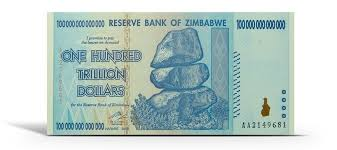
Price Range: $50–$200+ (depending on condition and authentication)
The Zimbabwe 100 trillion dollar note is famous among collectors. It was issued on January 16, 2009, during Zimbabwe’s hyperinflation crisis, and is among the highest-value banknotes ever issued.
The note shows the Chiremba Balancing Rocks near Harare and Victoria Falls, beautiful images that contrast with the economic troubles they represent.
Zimbabwe’s inflation reached about 79.6 percent per month in November 2008. The government kept printing higher denominations until the Zimbabwe dollar was dropped in 2009.
Only a few million 100-trillion notes were issued before the currency collapsed, so they are much scarcer than German hyperinflation notes.
Prices for these notes have risen significantly over time. Circulated examples cost about $50, while PMG-graded uncirculated notes are $100 to $200 or more.
Because these notes are so well-known, authenticity is important. Buy from trusted dealers or look for PMG or PCGS certification. Noteshobby and reputable eBay sellers offer authenticated notes at different prices.
8. New Zealand $5 (2015 “Banknote of the Year”)
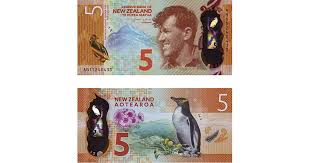
Price Range: $6.75–$7 (About Uncirculated)
When the International Bank Note Society calls a note the “Banknote of the Year,” collectors take notice. New Zealand’s $5 polymer note from the 2015–2018 “Brighter Money” series won this award for its great design and advanced security features on a polymer base.
The note shows Sir Edmund Hillary, the first confirmed climber to reach the top of Mount Everest, and New Zealand’s Aoraki/Mount Cook.
The design honors national pride and mountaineering history, while also highlighting the use of polymer technology.
At $6.75 to $7 for About Uncirculated examples at Robert’s World Money, this award-winning note is a great value. You get a top-quality collectible for the price of a fast-food meal.
These notes make nice gifts for new collectors and are a solid choice for any world banknote collection.
9. Morocco 100 Dirham AFCON 2025 Commemorative
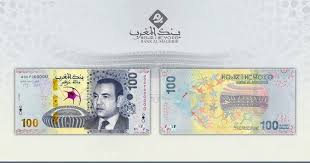
Price Range: ~$11 (face value), collector premiums may apply
This special 100-dirham note was released on December 22, 2025, to celebrate Morocco hosting the 2025 Africa Cup of Nations.
It features King Mohammed VI, the Prince Moulay Abdellah Sports Complex, and a map of Africa highlighting Morocco’s role in African football.
Commemorative notes are special because they mark important events and are printed in limited numbers.
Unlike regular notes issued in large quantities, commemoratives are both money and collectibles, and they often become more valuable after the event is over and they become harder to find.
At about $11 (100 dirhams), this note is an affordable way to start collecting commemoratives. As Morocco hosts a major African sports event, this note brings together sports history, African politics, and Moroccan culture.
It’s best to get these early, since finding perfect examples becomes harder once the tournament is over and the notes are used in daily life.
10. Samoa 2025 Polymer 50 & 100 Tala
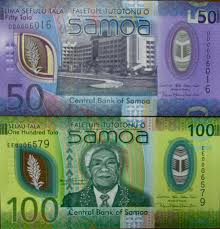
Price Range: $41.95 (50 tala), $84.35 (100 tala)
The Central Bank of Samoa issued these polymer notes on December 8, 2025, finishing Samoa’s move to all-polymer currency. If you collect notes from Pacific Island countries or are interested in the global shift to polymer, these are a key addition.
Samoa’s small population (under 220,000) means fewer notes are printed than in larger countries. Notes from smaller nations often appreciate over time because they are less common.
The 100 tala note at $84.35 is at the higher end of our price range, but it’s a must-have for anyone collecting polymer notes or Pacific Island sets.
You can find these new notes at Robert’s World Money and Notes Hobby. Like other new polymer notes, buying now lets you get first-issue examples before they start showing signs of use.
Final Thoughts
Collecting paper money takes patience, curiosity, and a reasonable budget. The notes in this list cost from under $2 to about $200, with most under $50. Each one has a story—whether it’s emergency money from wartime, new technology in polymer notes, economic crises, or cultural celebrations.
Begin with what interests you most. If you love history, you might like WWII Hawaii notes or hyperinflation currency. If you’re into technology, look for new polymer notes. If you’re on a budget, silver certificates and red seals are great choices. And if you enjoy good design, New Zealand’s $5 note is a standout.
No matter which path you take, 2026 is a great time to build a meaningful collection without spending too much. The notes are out there, dealers have them, and prices are still reasonable. The real question is: which piece of history will you add to your collection first?
✅ Fact-checked and refreshed on August 9, 2026. Banknote prices, availability, and market data are reviewed periodically. This article is part of GrandCollector’s editorial freshness program.