

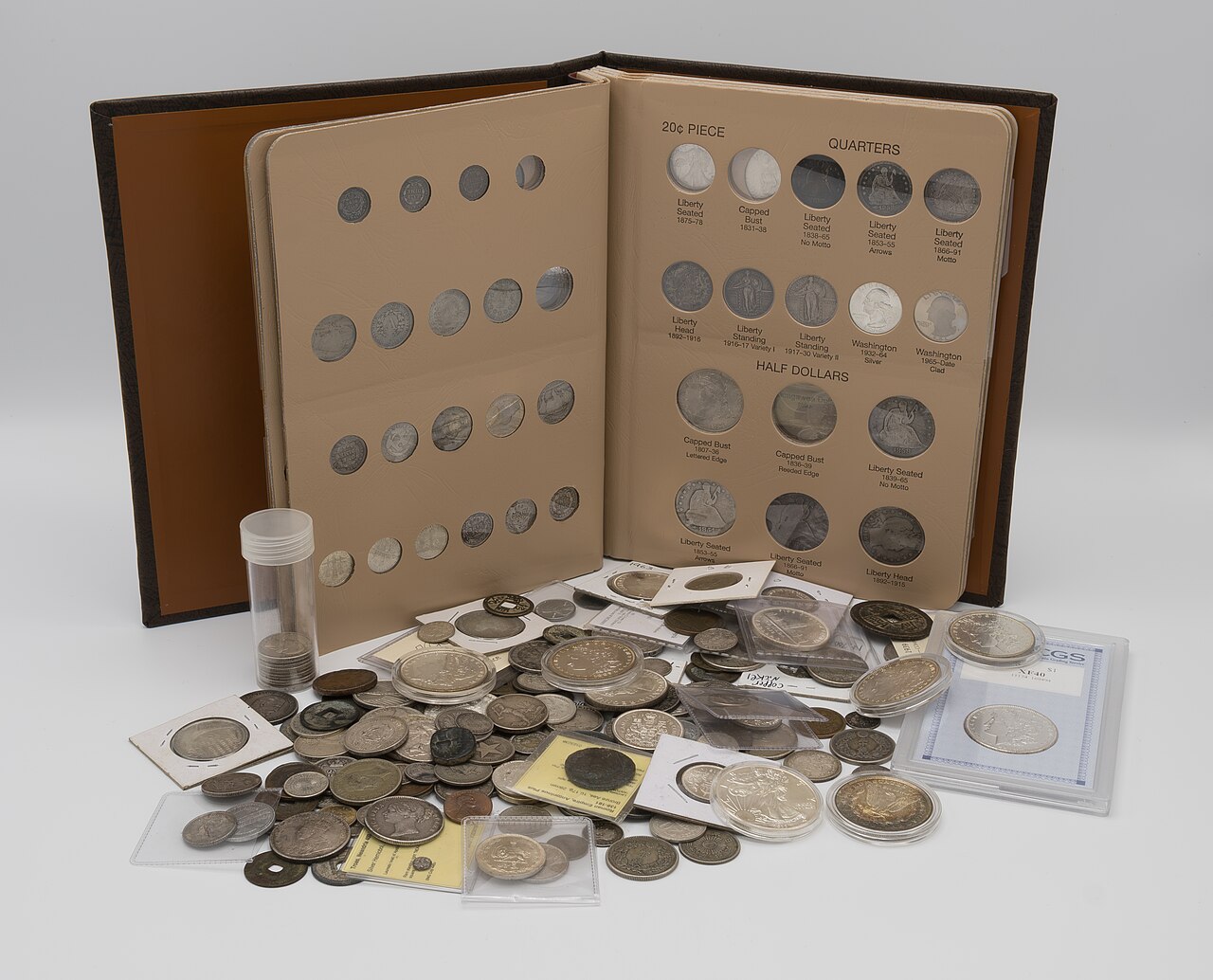
A useful coin inventory answers two questions quickly: what is in the collection and which records support it. A rough box total is weak evidence for an insurer, heir, or future buyer.
Key takeaways
- Why a coin inventory matters
- Choose a system you will keep using
- Record identifying details first
Why a coin inventory matters
Documentation stops a collection from becoming a memory test. Albums move, labels fade, and similar coins get confused after years. Give each coin, or each defined low-value group, a stable record that connects the item, its photographs, and supporting documents.
Choose a system you will keep using
A simple spreadsheet is usually enough for a changing collection. A paper ledger can work if the photos and documents use the same IDs. Avoid a database you will abandon.
Use a plain inventory ID such as C-0001. Put that ID on the holder or storage location, never on the coin. Repeat it in photo filenames, document folders, and spreadsheet rows. The American Numismatic Association’s template follows the same basic idea: labelled fields and a repeatable list. [1]
Record identifying details first
Start with what can be seen or safely known: denomination, issuing country or authority, date, mintmark, and a short type or design description. Add material, variety, or error notes only when there is a reliable basis. Label uncertain attributions as leads. [1]
- Inventory ID and general storage location
- Denomination, country or authority, date, and mintmark
- Observed condition, including scratches, cleaning, damage, or toning
- Purchase date, seller, cost paid, and linked paperwork when available
- Holder, certification, or examination details, if any
Match photos to each record
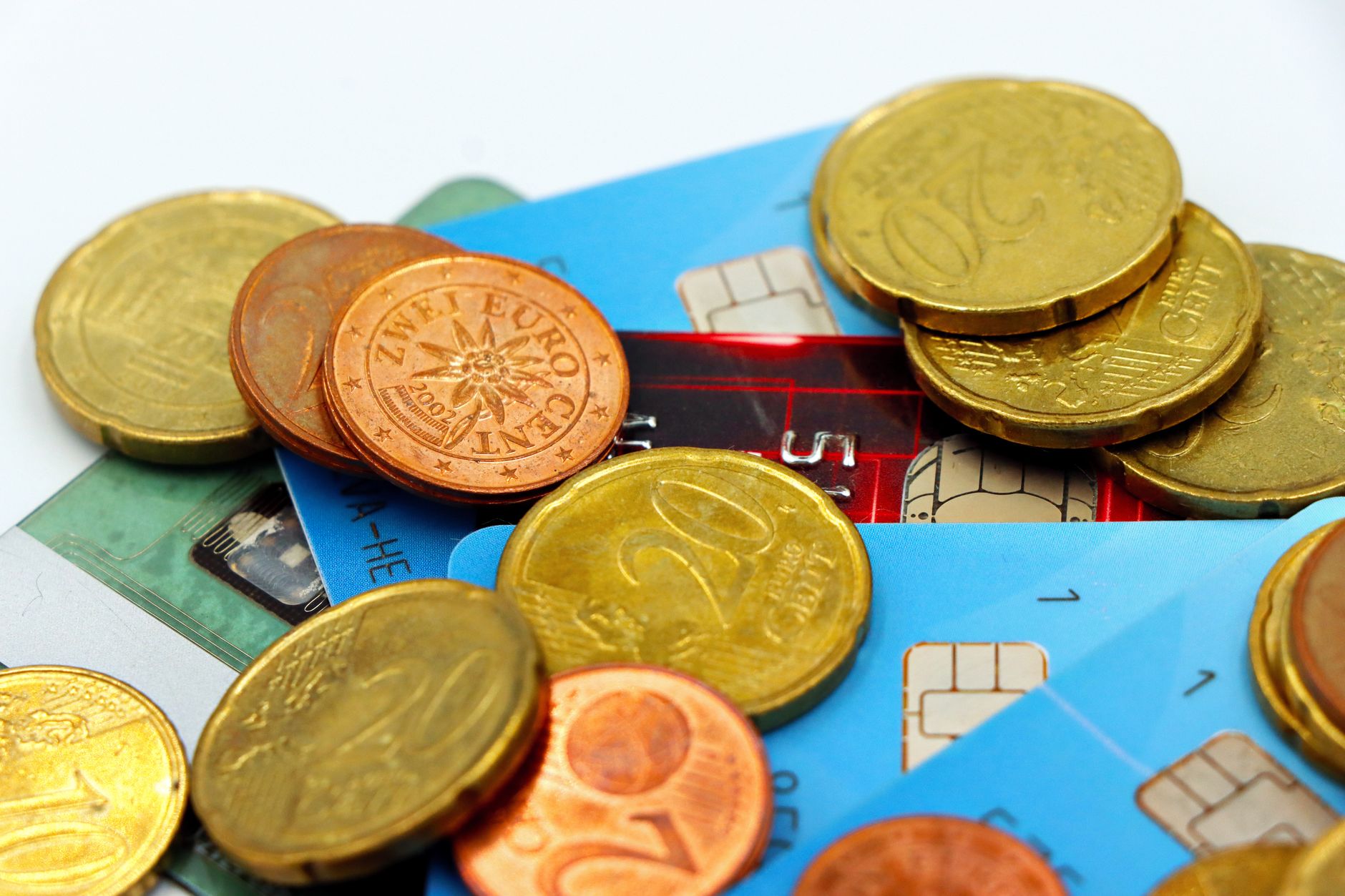
Photograph the obverse and reverse of each coin. Add the edge if it carries useful identifying detail. For encapsulated coins, photograph the holder and label as well. The image should show which coin the record refers to, while the written record explains what the image cannot.
Separate observation from opinion
Record visible condition before recording a grade or outside opinion. “Rim nick at 3 o’clock” is more useful than “nice condition”. If a third party has examined or encapsulated the coin, copy the holder details exactly as shown and keep that opinion in its own field. [2]
Keep paperwork linked
Save receipts, prior descriptions, appraisals, correspondence, and family notes when they exist. Name each file with the inventory ID. Keep a second secure copy of the file and photos away from the collection’s physical location. [3]
Share the right version
The full file can contain storage notes and private records. A family, insurer, adviser, or buyer copy should be cleaner. Remove home addresses, access codes, and sensitive locations. Ask the insurer which valuation method, limits, exclusions, and update cycle apply. For family handover, add the inventory system, storage locations, key records, and trusted contacts. Keep display notes separate; GrandCollector’s guide to displaying a coin collection covers that side. [3]
Update the inventory
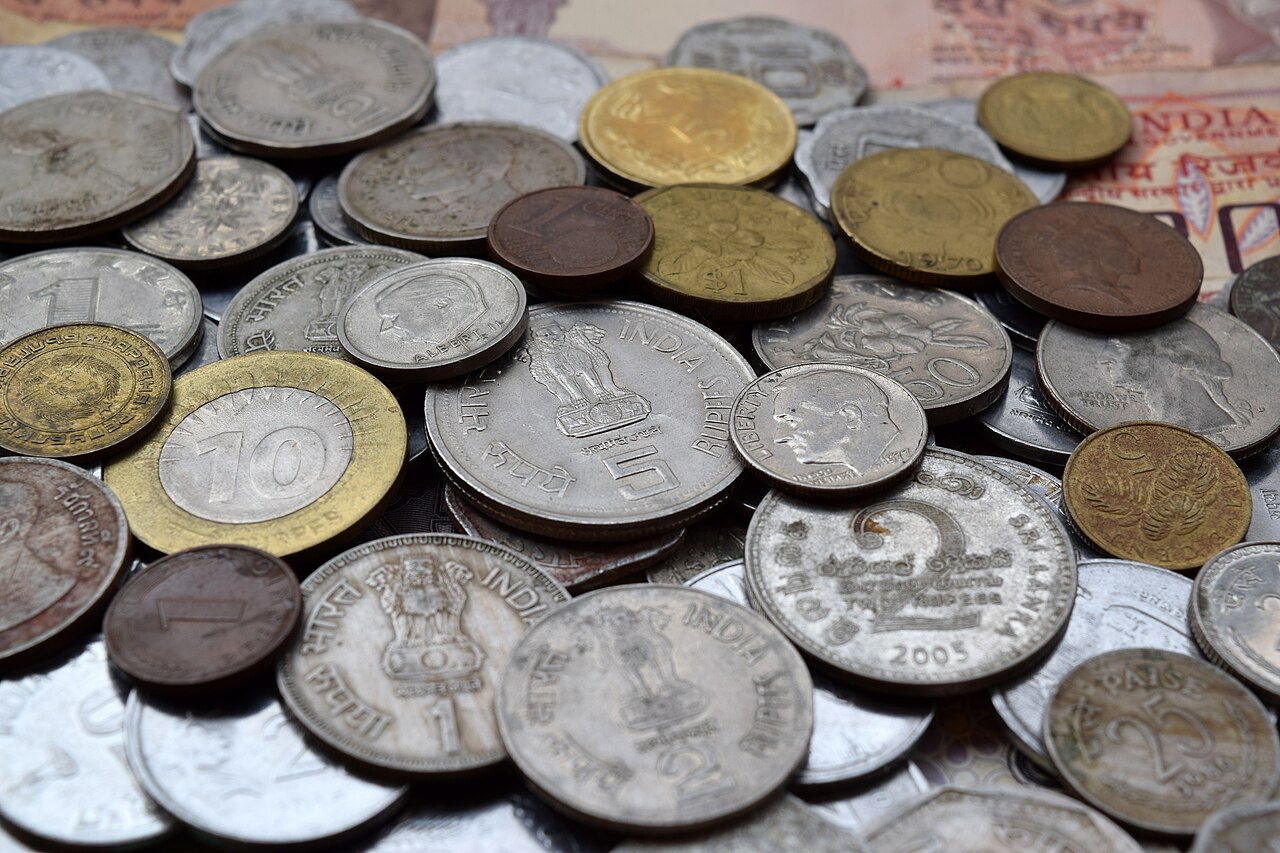
Date the inventory, then update it after a purchase, sale, transfer, storage change, new examination, damage, conservation, encapsulation, or correction. If a coin leaves, mark it sold or transferred instead of deleting the row. Acquisition cost, appraisal notes, and sale results are different facts, so keep them separate.
Good documentation will not make an ordinary coin rare. It can make a collection easier to protect, explain, hand over, and sell honestly.
Notes
[1] The American Numismatic Association publishes coin label inserts for date, condition, denomination, and country of origin, plus an inventory spreadsheet: Coin Collection Inserts and Inventory Spreadsheet.
[2] PCGS describes holder labels with date, mintmark, denomination, grade, and serial/certification numbers; NGC Cert Lookup confirms description and grade from a certification number: How to Read PCGS Labels; NGC Cert Lookup.
[3] The Insurance Information Institute recommends item details, proof of value, photos, backup copies, and coverage checks for collectibles: How to create a home inventory.