
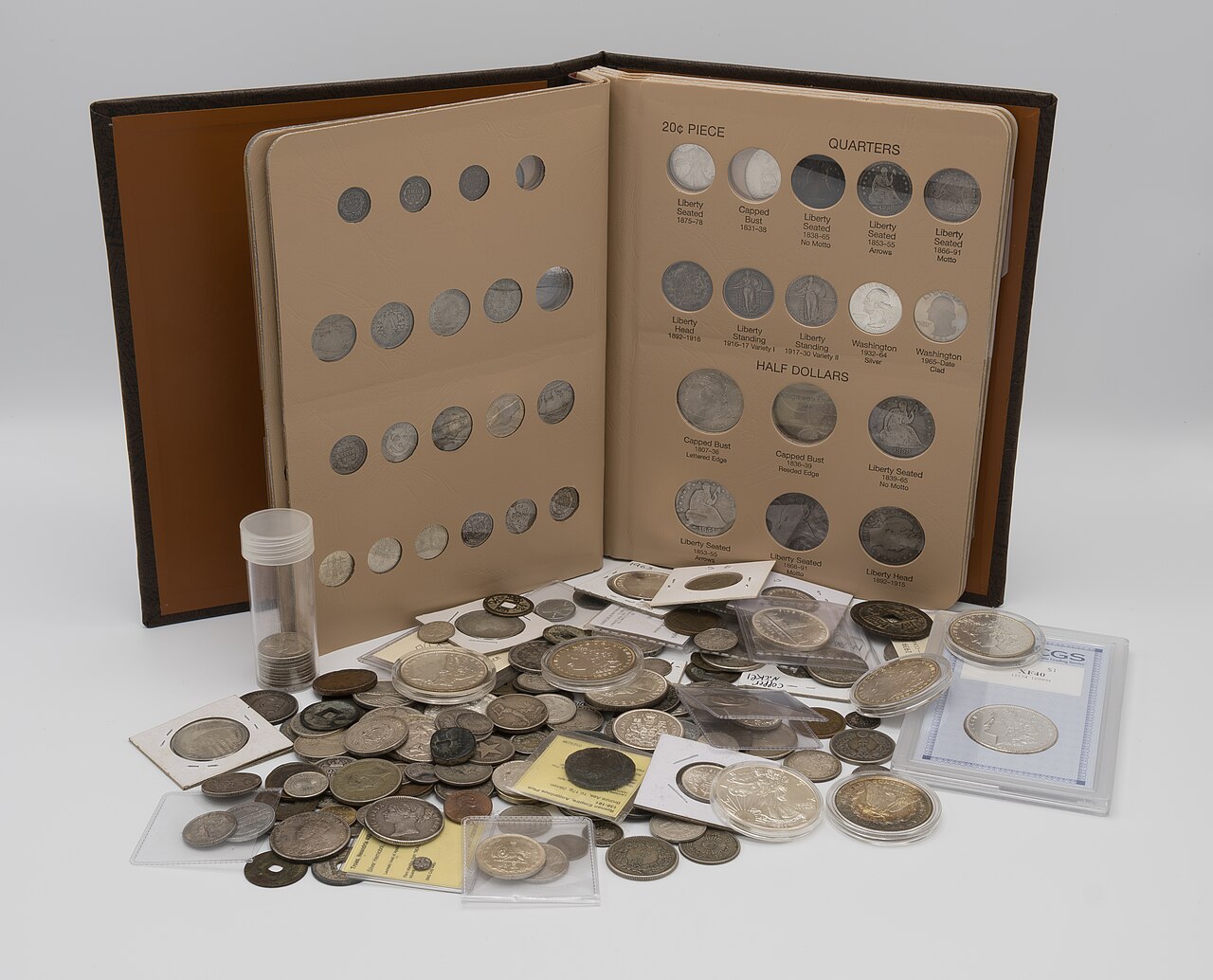
A useful coin starter kit tells you what is inside, helps you identify and store it, and does not turn a mixed bundle into a promise of value. Before buying, look for a complete inventory, plain item descriptions, and supplies that will not create avoidable storage problems. [1]
Key takeaways
- Start with the inventory
- Know what the items actually are
- Check the storage and handling supplies
Start with the inventory
The listing should name the coins, quantities, dates, denominations, countries or issuing authorities, and accessories. That gives you something concrete to compare with the kit you receive. It also makes missing pieces or substitutions easier to spot.
Be cautious when a kit is described only with a phrase such as “assorted coins.” It is hard to organize or research a collection when the contents are left vague.
Know what the items actually are
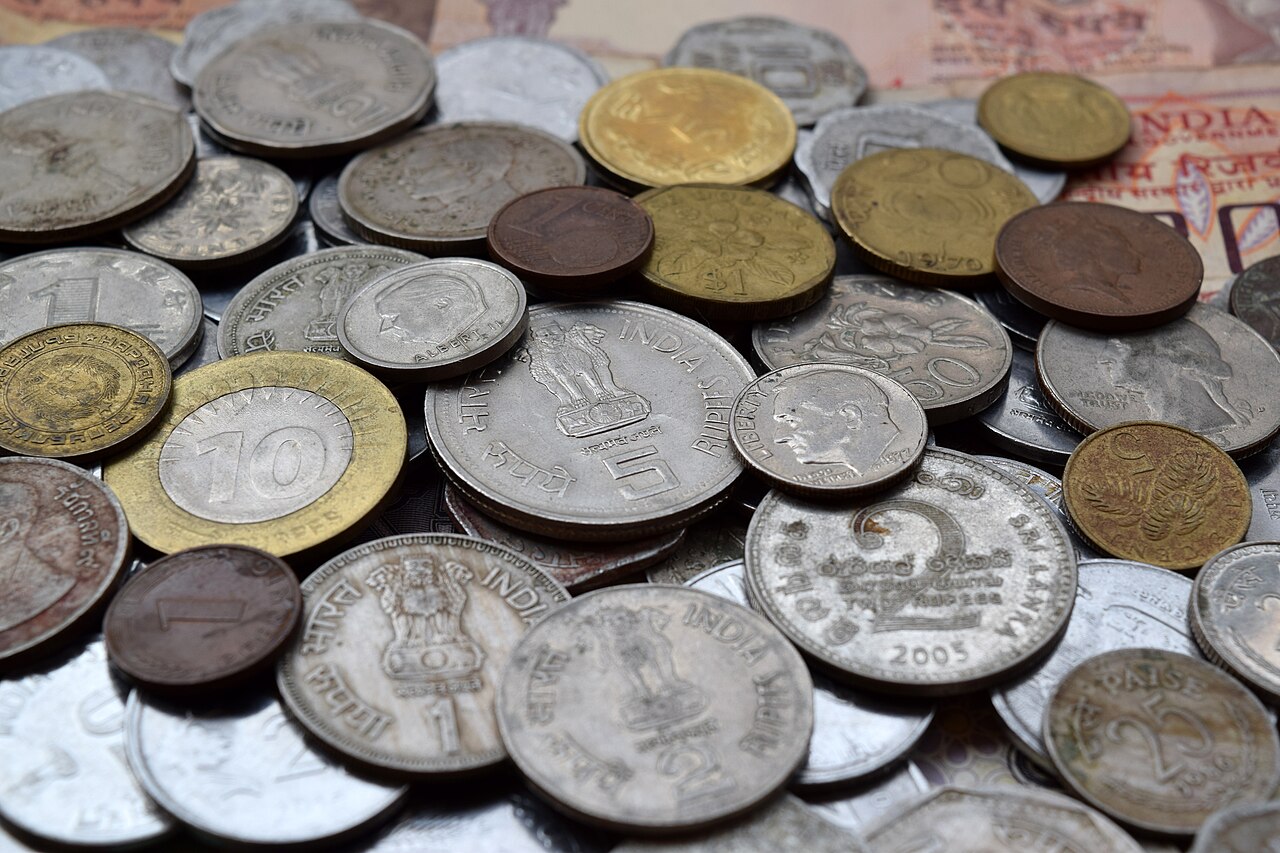
Do not assume every piece is a circulating coin. A kit may contain genuine coins, replicas, tokens, medals, or commemorative issues. The seller should say which is which before you buy.
Each coin should be identifiable enough for basic cataloging. Look for the denomination, issuing country or authority, and date when those details appear on the coin. Identification guidance can be more useful to a beginner than a larger pile of unidentified pieces.
Check the storage and handling supplies
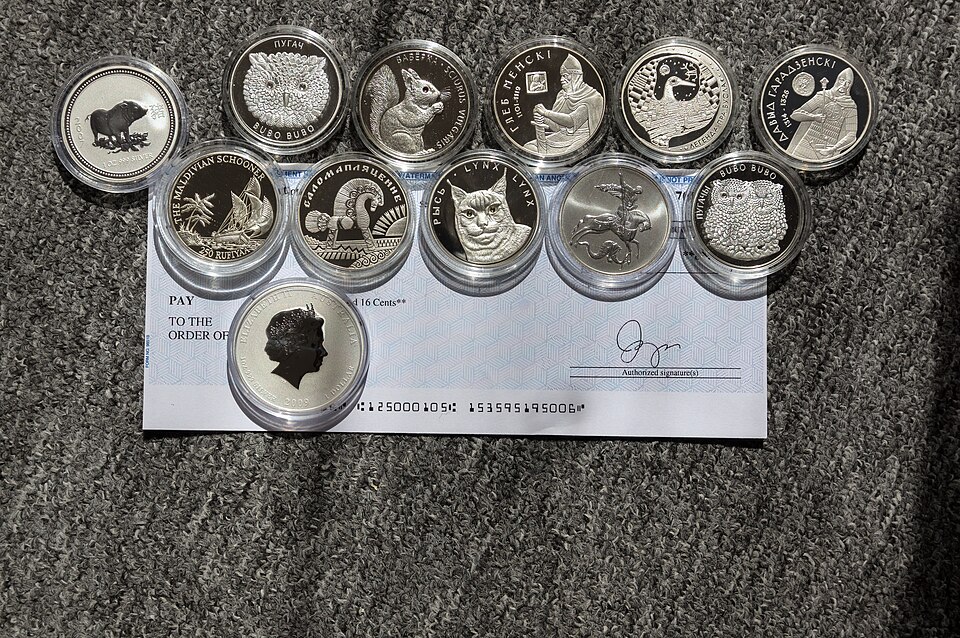
Look closely at the holders, pages, capsules, trays, or album. They should fit the included items and let you handle the coins without unnecessary contact with their surfaces. Avoid prolonged storage in materials that can damage coins, including PVC-containing plastic, because some plastics can leave harmful residues over time. [2]
The kit does not need elaborate accessories. It needs storage that is clearly described and practical for the items supplied.
Separate learning value from sales language
Claims about condition, grade, rarity, investment potential, or exceptional value are not automatic benefits of a bundle. They describe individual pieces and need separate verification. A starter kit is not proof that its contents are valuable. [3]
Give extra weight to beginner-friendly references, identification guidance, and explanations of basic terms. Those features help you learn what you own instead of leaving you with more pieces to sort out.
Review the purchase terms
Before paying, check the seller’s condition descriptions, listing images, stated contents, shipping terms, and return terms. Keep a copy of the listing so you can compare it with the kit when it arrives. If the contents do not match the description, that record gives you a clear starting point for resolving the problem.
A simple decision rule
Choose the kit with the clearest inventory, useful identification information, suitable storage, and the least inflated language. For more background before you buy, see this coin collecting guide for beginners. If the seller is vague about what is included or treats every piece as a value claim, passing is usually the better collecting decision.
Notes
[1] Approved GrandCollector research packet for this run: kit contents, identification, and purchase-review claims based on general collecting and consumer-evaluation practice.
[2] Approved GrandCollector research packet for this run: storage and handling claims based on general coin-storage and preservation practice.
[3] Approved GrandCollector research packet for this run: marketing-claim and educational-usefulness guidance based on general numismatic evaluation and collecting education practice.