

Raw coins are easiest to damage when you’re trying hardest to identify them. The safe approach is simple: hold the coin by the edge, inspect it under good light, write down what you can see, and don’t clean, rub, or “improve” anything. A better look is never worth a new scratch. [1]
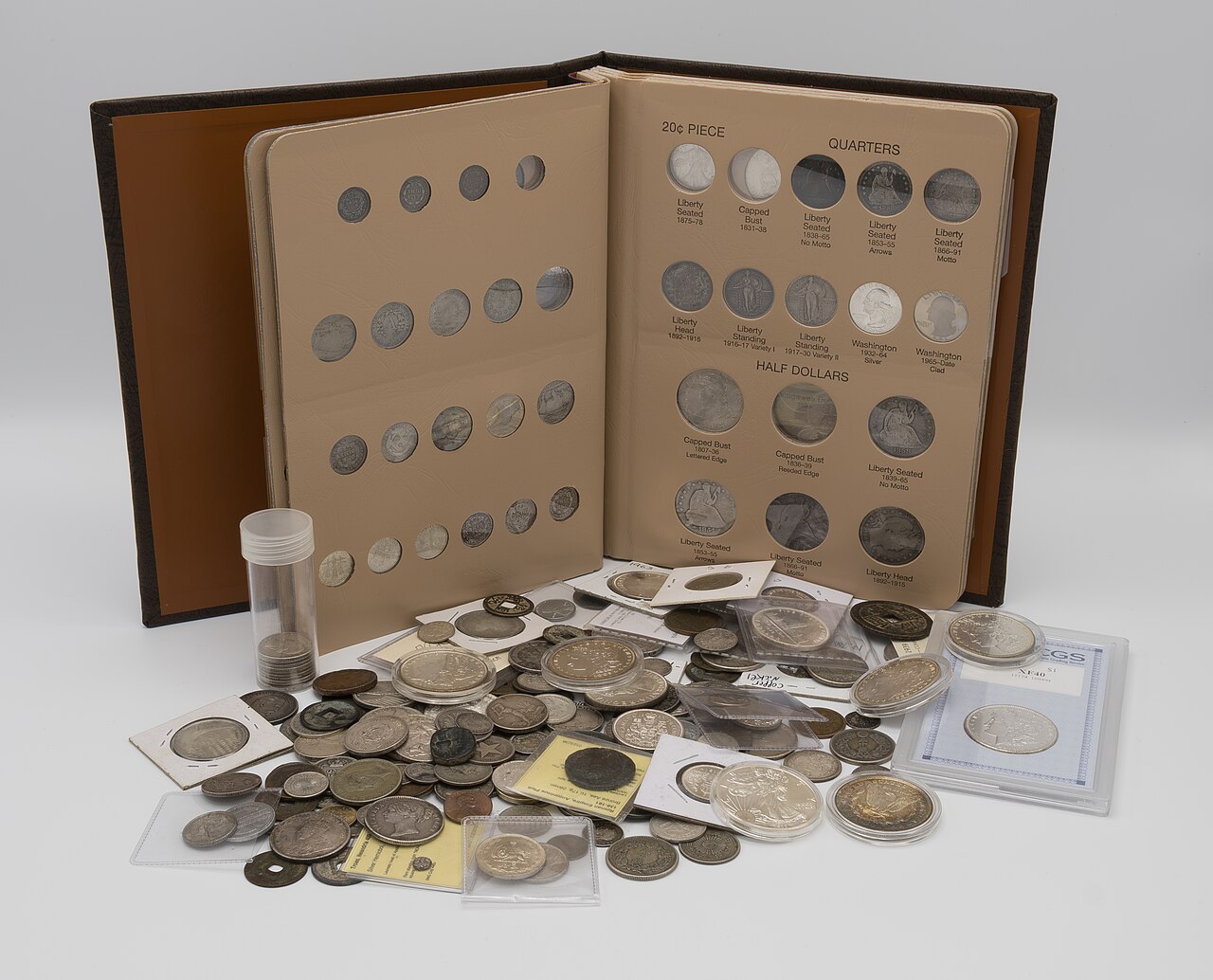
Key takeaways
- Why careful handling matters
- What beginners usually get wrong
- Set up the work area first
Why careful handling matters
A raw coin has no slab between your fingers and the surface. Skin oils, moisture, dust, and a careless slide across a table can leave marks that were not there before. Treat it well until you know what it is.
What beginners usually get wrong
The common mistake is treating inspection like cleaning. A dark date, dirty rim, or weak mint mark can tempt a beginner to rub with a thumb, cloth, eraser, toothpick, or metal tool. Don’t. Rubbing can create hairlines or drag grit across the surface. [3]
The second mistake is overcalling condition. “Looks nice” is not a grade. At home, you’re checking visible wear, marks, color, and obvious damage.
Set up the work area first
Wash and dry your hands before handling coins. Work over a clean, soft, stable surface such as a microfiber cloth, towel, or padded desk mat. Keep drinks, food, tape, glue, and loose tools away. [2]
If the coin is in a holder, don’t force it out. If it won’t come out easily, leave it alone until you have the right holder or help.
How to hold the coin
Hold the coin by the edge between thumb and forefinger. Avoid the obverse or reverse fields, portraits, devices, and open flat areas. If the coin is small, place it on the soft surface and rotate the surface instead of chasing it around with your fingers.
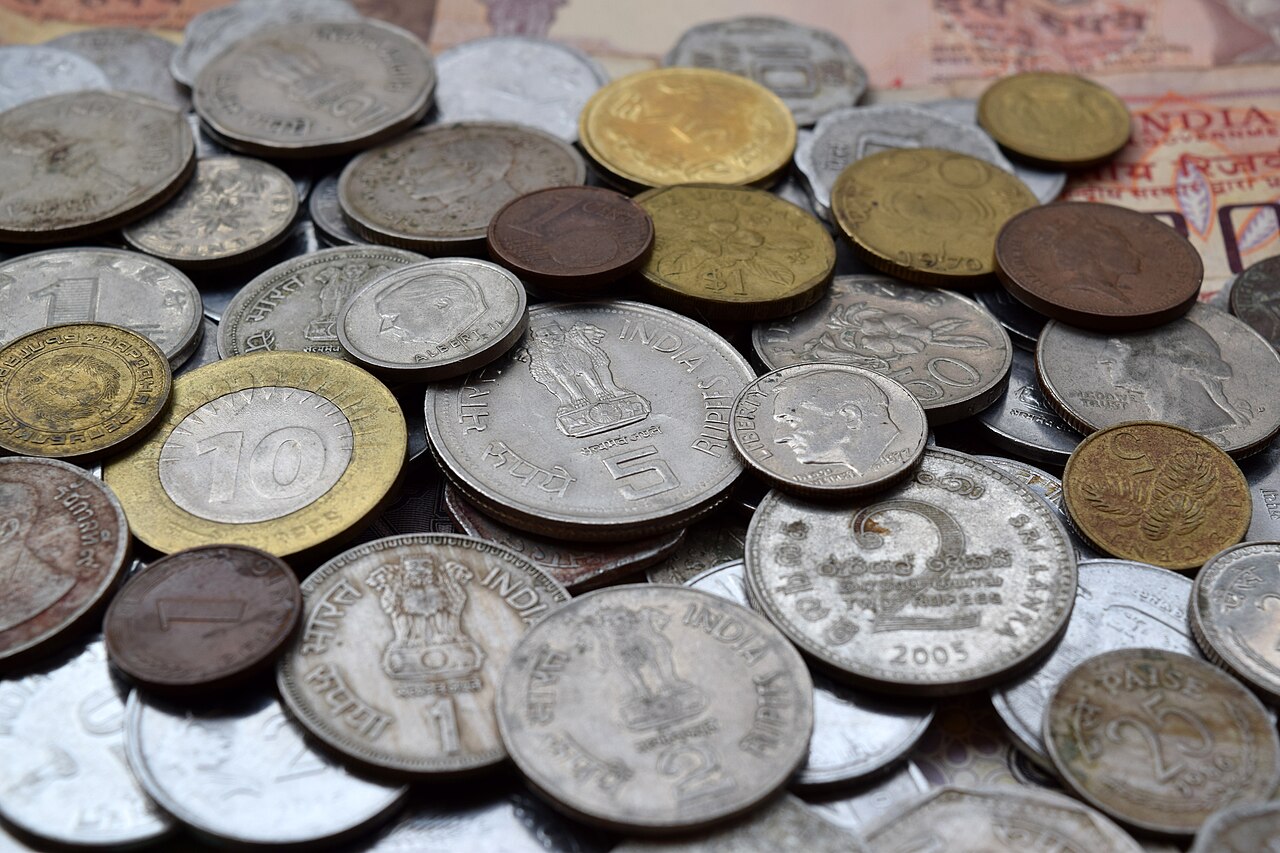
Gloves aren’t automatically better. PCGS says most coins do not require gloves; clean hands, edge handling, and a clean surface matter more for routine checking. [2]
Checking dates and mint marks
Use bright, diffuse light instead of harsh glare. Tilt the coin slowly and look from more than one angle. A basic magnifier can help with small mint marks, date digits, and rim details. [2]
Do not scrape dirt away from a date or dig around a mint mark. If the detail isn’t visible under light and magnification, record it as uncertain.
Checking condition without pretending to grade
Start with the big questions: is the design heavily worn, are the rims damaged, are there scratches, has the coin been bent, cleaned, stained, or corroded? Then look for smaller surface issues under angled light.
For valuable-looking coins, unusual errors, key dates, or anything you plan to sell seriously, professional grading may be appropriate.
Common red flags
- Fingerprints, spots, or corrosion after face contact
- Fine parallel hairlines from wiping
- Fresh scratches around the date or mint mark
- Residue or color change that needs expert advice
- A tight holder that pinches the edge
Final practical advice
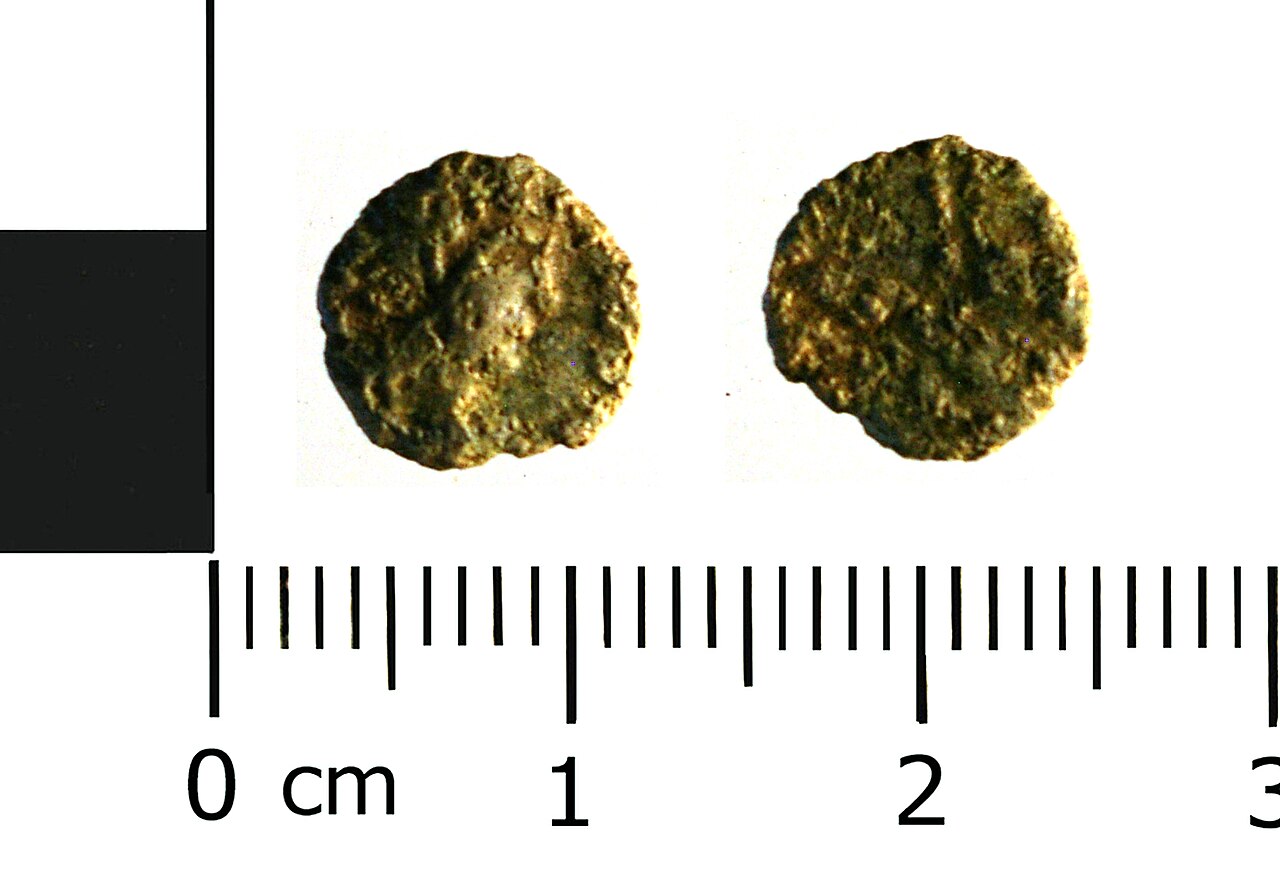
Handle first, research second, decide third. Write down the date, mint mark, denomination, visible problems, and uncertainty before comparing examples with a basic coin collecting guide. If the coin might matter, slow down. The safest check leaves it exactly as it was.
Notes
[1] NGC/NCS, “Fingerprint Damage,” says clean hands and edge-only handling help prevent fingerprints and surface damage: https://www.ngccoin.com/news/article/5461/NCS-conservation/
[2] PCGS, “The Tools of a Professional Coin Grader,” covers clean hands, edge handling, clean surfaces, lighting, magnification, rotation, and glove limits: https://www.pcgs.com/news/tools-of-a-professional-coin-grader
[3] PCGS Grading Standards describes cleaning as surface damage and includes hairlines among condition observations: https://www.pcgs.com/grades