

Buying a mixed circulating coin collection online starts with reducing unknowns. The title might say “old coins,” “estate lot,” or “world coin collection,” but the useful question is simpler: can you identify what is actually shown, judge the condition honestly, and understand what the seller is promising to ship?
Key takeaways
- Why online coin lots tempt buyers
- What beginners usually miss
- Start with the photographs
Why online coin lots tempt buyers
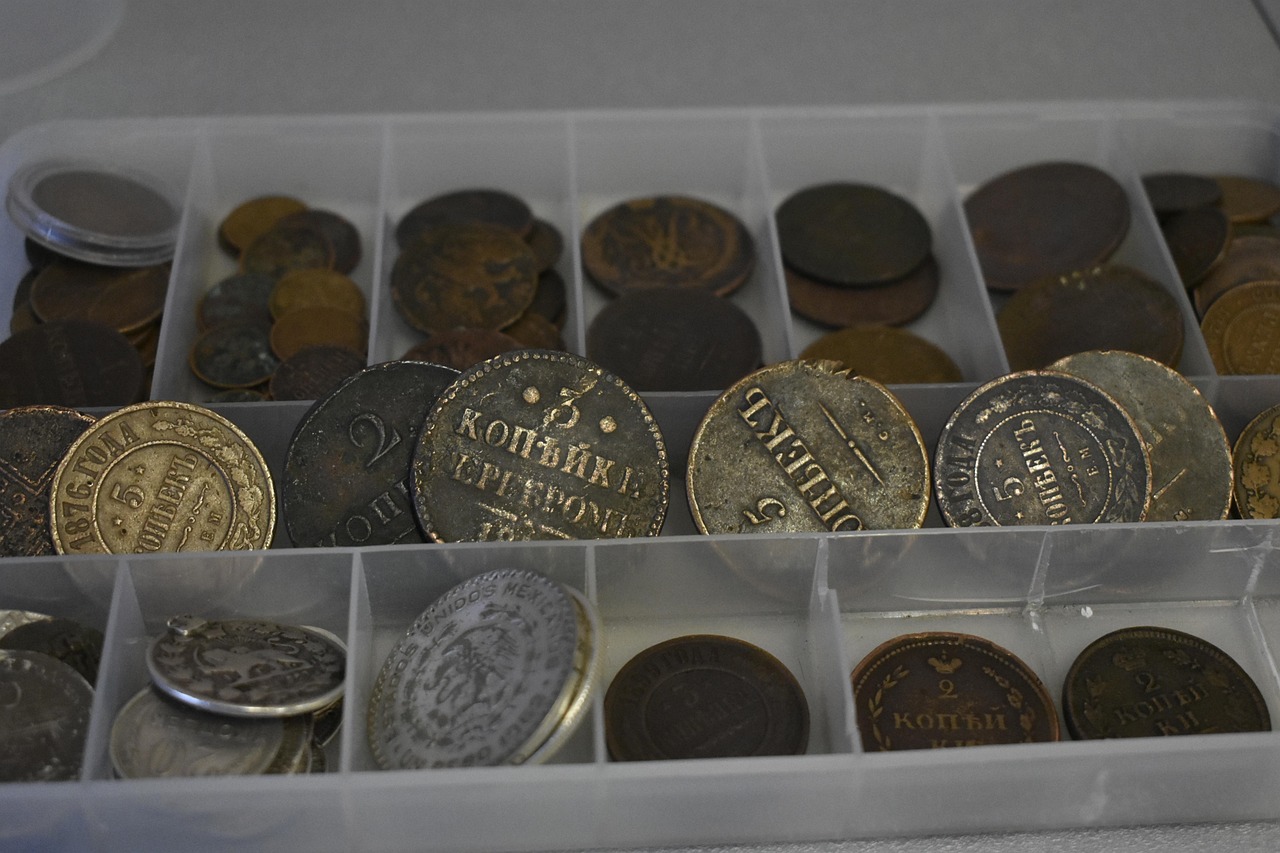
Circulating coin collections look approachable. They are often photographed in jars, trays, albums, envelopes, or loose piles, and the listing can make the lot feel like an untouched discovery. That presentation is part of the appeal.
The problem is that “collection” does not mean “valuable collection.” A pile can include interesting dates, damaged coins, duplicates, common modern pieces, or foreign coins that need closer inspection before you decide what they are worth to you. Treat the listing as an inspection job, not a lottery ticket.
What beginners usually miss
The biggest mistake is judging the lot from the headline. A better listing lets you identify coins by denomination, issuing country or authority, date, mint mark, and quantity where those details are visible. If you are still learning how to buy circulated coins online without overpaying, use the same discipline here. If the seller gives only a broad label, the photographs need to carry more of the evidence.
Do not assume every coin in the group is in the same condition. Mixed lots can include sharp examples beside heavily worn, scratched, spotted, corroded, cleaned, or polished pieces. If the photos show only the best few coins, the rest of the lot is still an open question.
Start with the photographs
Look for clear photos of both sides of the coins. For some coins, edge views matter too, especially when edge lettering, reeding, or damage may affect identification. The listing should make it clear whether the photos show the actual coins being sold, a sample, stock image, or representative group.
Zoom in on dates, mint marks, rims, and obvious surface problems. Scratches, dents, stains, green corrosion, odd shine, and uneven color all matter. Bright surfaces on circulated coins can be a warning sign that the coins were cleaned or polished, so treat the condition description cautiously.

Match the text to the lot
The written description should line up with the images. If the title promises a complete pictured collection, the photos should show the full lot clearly enough to count or compare. If the description says the photos are examples only, you are not inspecting the exact group you will receive.
Watch for soft language such as “unsearched,” “estate find,” or “could contain better dates.” Those phrases are not proof of value. Keep the decision anchored to what the photos and description actually show.
Check condition without pretending to grade
You do not need to assign formal grades to inspect an online lot. You do need to separate normal circulation wear from visible problems. Heavy wear, rim hits, bends, holes, residue, corrosion, and obvious cleaning should lower your confidence in the lot.
If a coin is already in a certified holder, compare the holder, label, coin, and photos carefully. For raw coins, treat condition as approximate until the coins are in hand.
Ask what is included before buying
Before purchasing, check whether the sale includes every coin shown, only selected coins, the album or holders, and any labels or envelopes in the images. Also read the return terms and shipping costs before deciding what you are willing to pay.
If details are missing, ask the seller before bidding or buying. A useful answer should clarify quantities, whether the photos are item-specific, and whether any coins have known damage. If the answer does not clarify those points, keep the uncertainty in your decision.
Common red flags
- Only one blurry group photo for a large lot.
- Photos that hide dates, mint marks, or both sides of key coins.
- Claims built around “unsearched” mystery instead of visible details.
- Different coins shown in the photos and the description.
- No clear statement on whether the pictured lot is the exact lot for sale.
- Return terms that leave you uncomfortable when the images or description are incomplete.

Final practical advice
A better online circulating coin purchase is one where the boring details are clear. You can identify enough coins, see both sides, spot obvious surface problems, understand the quantity, and know the transaction terms before money changes hands.
If the listing forces you to imagine the good parts, pass or bid like the unknowns are real. Circulating coin lots can be enjoyable, but your decision should rest on patient sorting, careful inspection, and visible evidence.