
Disclosure: This article may contain affiliate links. If you buy through them, GrandCollector may earn a commission at no extra cost to you.
Buying circulated coins online sounds easy. Type a year, click Buy It Now, and wait for the mail. But the gap between what a coin is worth and what online sellers ask can be wide, and beginners absorb that gap every day without knowing it.
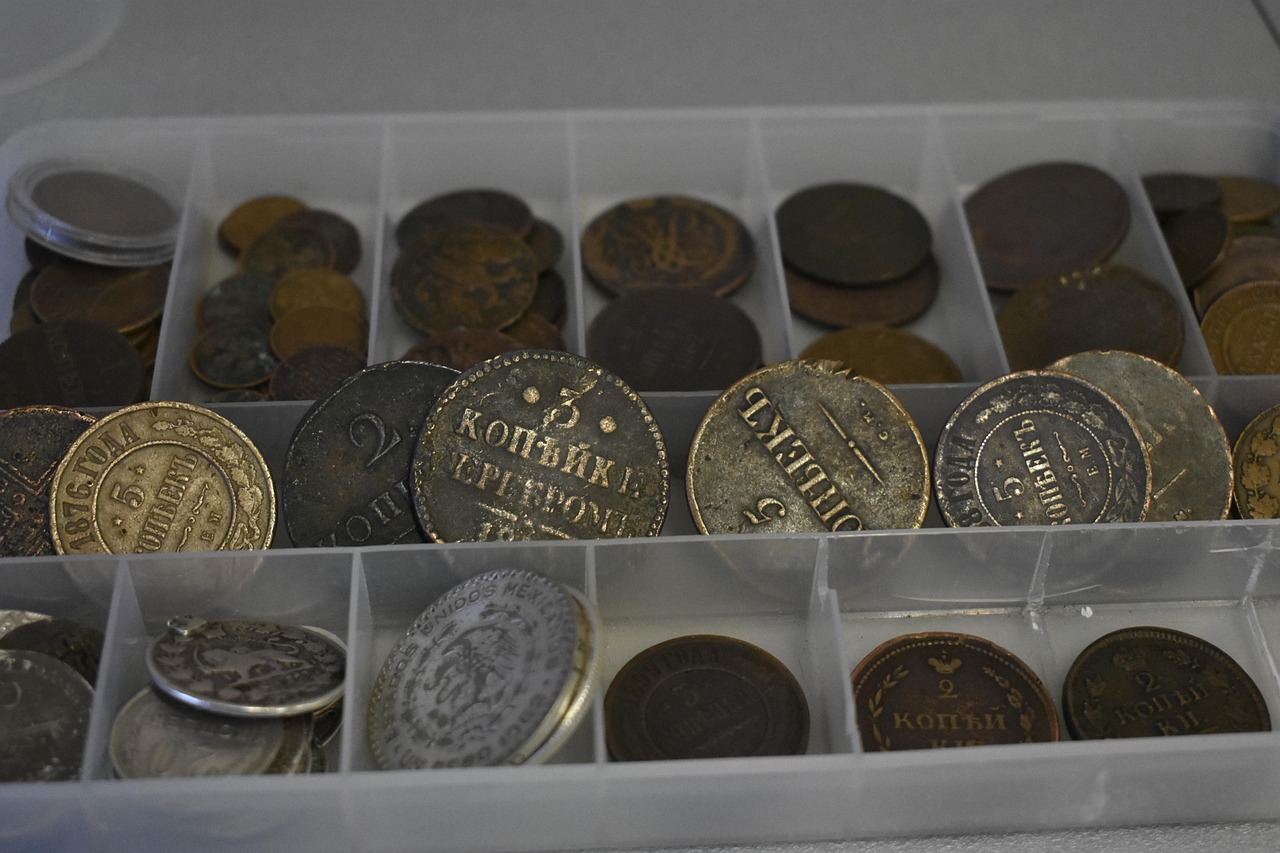
This guide is about buying circulated coins, the everyday kind, not the slabbed and graded kind. Coins that have spent decades in pockets and cash registers. They still have value, but knowing how to separate fair prices from padded ones is the whole game.
Why circulated coins are priced so inconsistently online
Most circulated coins don’t have a single fixed price. A 1941 Lincoln cent might sell for 15 cents from one dealer and $3 from another, same coin, same condition. The reason usually isn’t dishonesty. It’s laziness. Sellers list at whatever sounds reasonable, often without checking recent sold listings. Some price everything in their inventory the same, common date or semi-key. Others just hope a buyer won’t compare. The same coin can appear at three different price points on three listings simultaneously. Your job is knowing when you’re paying for a seller’s wishful thinking.
What beginners usually get wrong when buying circulated coins online
The biggest mistake is buying the first reasonably-priced example you see. On most platforms, the first result is a promoted or algorithm-pushed listing, not the best deal. Patience costs nothing. Rushing costs margin.
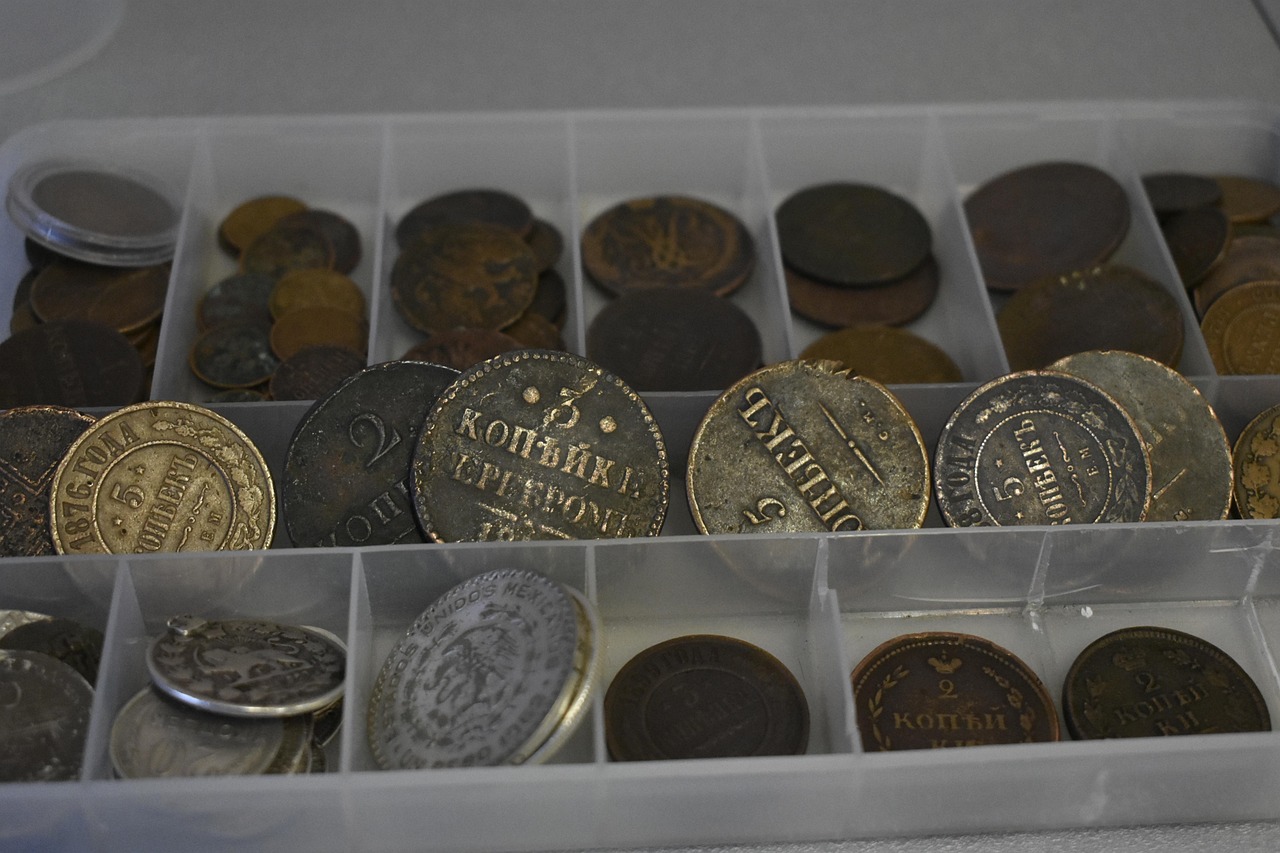
Another common error is trusting a single photo. Circulated coins have wear that a head-on photograph hides, rim dings, hairlines from cleaning, flat spots on high points. If a listing has one photo at one angle, assume the seller isn’t showing you something.
Many beginners also ignore shipping costs when comparing prices. A coin listed for $2 with $5 shipping is a $7 coin. The same coin from another seller at $4 with free shipping is $3 cheaper. The math is simple but easy to overlook when you’re comparing dozens of listings.
How to judge the value of a circulated coin before you buy
Start with sold listings, not asking prices. eBay’s “Sold items” filter, Heritage Auctions past results, and dealer price guides all give you actual transaction data. If the last five sold examples of a 1943-D steel cent in circulated condition went for $0.50-$1.50, a listing at $12 isn’t a deal, it’s a pass.
Related: How to Read a Coin Auction Listing Without Confusing Estimate, Reserve, and Sold Price — learn to separate estimates, reserves, and actual transaction prices before placing your next bid.
Related: How to Read a Coin Price Guide Without Falling for Inflated Retail Numbers — understand why retail guide prices differ from actual transaction values and how to cross-check them.
Condition matters more than date for most circulated coins. A common-date Mercury dime with strong details and no cleaning can be worth more than a semi-key date in poor shape. Learn to judge wear on the high points: the hair above the ear on a Lincoln cent, the cheek and feathers on a Standing Liberty quarter, the steps on a Jefferson nickel’s Monticello.
Mint mark matters, but not always. A 1939-D Jefferson nickel carries a real premium over the Philadelphia issue. A 1964-D, not so much. The difference is mintage. The rarer the branch-mint issue, the more a circulated example is worth finding. But a Denver or San Francisco mark on a common coin from the 1960s or later doesn’t add meaningful value by itself.
How to read listing photos like a buyer, not a browser
Good photos tell you most of what you need to know before you click Buy. Look at the coin under consistent lighting and check for:
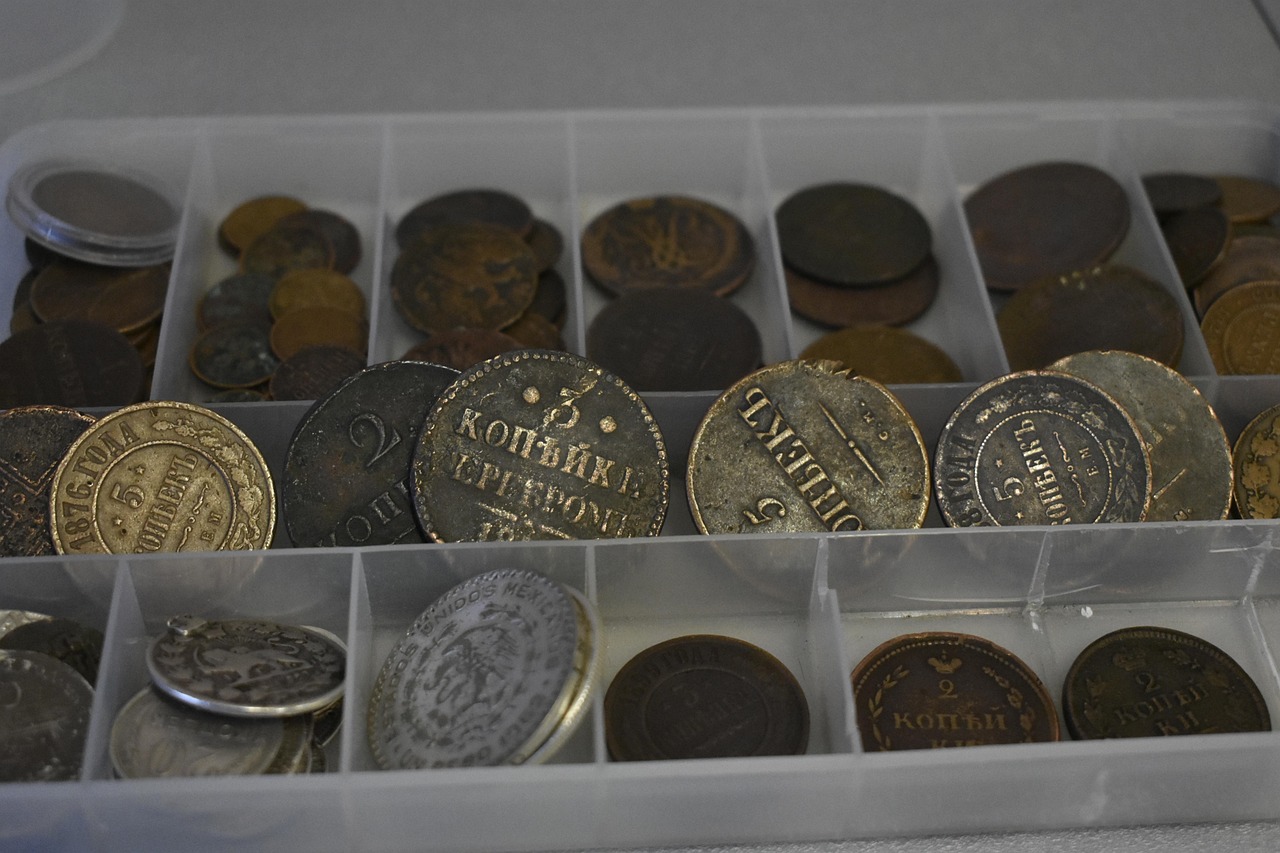
Wear patterns. The highest points of the design should show some detail. If Lincoln’s hair is a smooth blob or Lady Liberty’s gown has no folds, the coin is heavily worn, fine if the price reflects it, not if the listing calls it “sharp.”
Colour consistency. A coin with a dark ring on one edge but bright colour elsewhere may have been stored in an album. That’s natural. But splotchy patches of unnaturally bright metal next to dark areas suggest cleaning, and cleaning destroys collector value.
Rim completeness. The raised border should be even and intact. Major rim dings or flat spots suggest rough handling. These are visible even in mediocre photos.
Which platforms give you the best shot at fair prices
eBay remains the largest marketplace for circulated coins, and the Sold Items filter makes it the best tool for price discovery. But the Buy It Now section is cluttered with overpriced listings. The real deals usually show up in auctions ending at odd hours, lots with poor photos that scare off other bidders, and coins listed with vague titles you need to hunt for with broader search terms.
Specialised marketplaces like VCoins and MA-Shops offer vetted dealers with quality control that eBay lacks. Prices run slightly higher than eBay auction results, but the trade-off is less junk to filter and a higher likelihood the coin matches the description. For beginners still learning to read photos, the premium can be worth it.
Reddit’s r/Coins4Sale is smaller and reputation-based. Sellers list closer to wholesale because they avoid platform fees. The r/PMsFeedback system tracks transactions. It’s not for bulk buying, but for researched specific coins, it offers strong price-to-value ratios.
Red flags that should make you scroll past a listing
Some listings are designed to catch beginners who don’t know what they’re looking at. Here are the most common patterns:
“Unsearched” lots. Whenever you see “unsearched estate lot” or “grandfather’s unsearched collection,” keep scrolling. These are the remains after valuable coins have been removed. Dealers sell leftover common material in bulk, add a story, and price it higher than the coins are worth. No professional leaves valuable inventory unsearched.
Blurry photos on supposedly valuable coins. A blurry photo of a coin with claims like “rare date” or “key date” is a warning. Modern phone cameras take clear close-ups easily. If the seller can’t produce a sharp photo, they’re likely hiding wear, cleaning, or damage.
Vague condition claims. Terms like “nice,” “great shape,” or “high grade” mean nothing without a recognised grading standard behind them. If the seller doesn’t use standard terms, Good, Very Good, Fine, Very Fine, Extremely Fine, About Uncirculated, and can’t identify where the coin sits on that scale, treat the listing with caution.
Free shipping that masks the real price. A coin listed for $1 with $6 shipping costs $7. The same coin from another seller at $3 with $3 shipping costs $6. Always add shipping to the listing price before comparing offers.
Selling or holding considerations for circulated coins
Most circulated coins bought online won’t appreciate meaningfully. A 1940s wheat cent bought for $1 today will still be worth about $1 next year. That’s not a reason to avoid buying, it’s a reason to be clear about why you’re buying. If you’re buying with an eye toward resale, focus on semi-key dates, branch-mint issues with lower mintages, and coins in genuinely above-average circulated condition. Those hold value across market cycles. Common-date circulated examples in average condition bought at full retail are almost impossible to resell for anything close to what you paid. Buy those because you want them, not because you expect them to appreciate.
Final practical advice
Before buying any circulated coin online, spend a few minutes doing your own price check. Search sold listings for the same coin in similar condition. Add shipping to the total cost. Examine the photos for wear, cleaning, and damage. Read the description for vague language. If the all-in price falls within recent sold ranges and the photos show a coin you’d be happy to own, buy it. If the price is higher and you can’t see what justifies the difference, wait. Another example will show up. Patience is the cheapest tool a collector owns.
Notes
[1] eBay “Sold items” filter is available under the Advanced Search options and shows actual transaction prices, not asking prices. For coins, filtering to “US Coins” then “Sold items” gives the most relevant comp set.
[2] The Sheldon grading scale runs from 1 (Poor) to 70 (Mint State). Circulated coins generally fall between Good-4 and About Uncirculated-50. Learning to recognise the visual differences at each grade level is covered in our beginner grading guide.
[3] VCoins and MA-Shops are dealer marketplaces with codes of conduct, all listed coins are guaranteed genuine. For eBay, the Money Back Guarantee protects buyers when items don’t match the listing description.
Recommended Tools for Coin Buying and Inspection
Disclosure: This section contains affiliate links. If you buy through them, GrandCollector may earn a commission at no extra cost to you.
Rechargeable 10x Loupe for Coin Inspection
A 10x inspection loupe gives you a close, steady view of circulated coins while you check wear patterns, cleaning, rim condition, and small mint-mark details. The compact loupe is useful at your desk or when comparing listing photos with the coin in hand, without relying on vague seller descriptions.
OMOTON Adjustable Aluminum Desktop Phone Stand
When you’re evaluating listing photos, a stable phone stand lets you take sharp, evenly-lit coin close-ups without hand shake. This aluminum stand holds your phone at consistent angles — useful for capturing wear patterns, rim completeness, and colour consistency the way a serious buyer would. Solid weight prevents tipping, and the adjustable angle helps you match lighting conditions to reveal surface details that handheld shots miss.