

A coin auction listing looks straightforward until you hit three numbers that sound like they should mean the same thing but absolutely don’t. You’ll see an estimate range, maybe a note about a reserve, and eventually a sold price that may or may not match either one. If you bid before understanding which number is which, you’re gambling, not collecting. If you’re new to coins entirely, start with our coin collecting guide for beginners before diving into auction strategy.
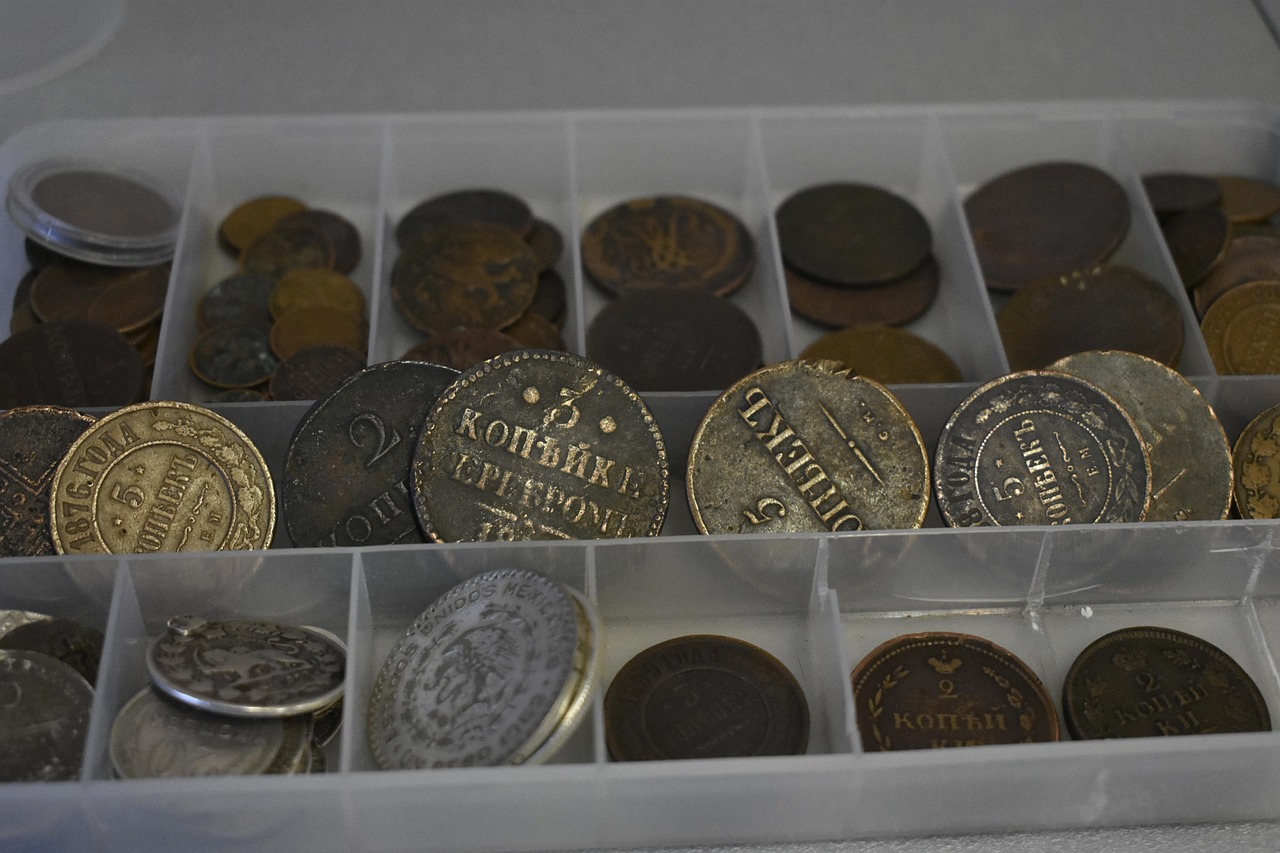
This guide walks through each term, what it actually means for your bidding decision, and how to read a listing so you know exactly what you’re paying and whether the price makes sense.
Key takeaways
- Why People Confuse Auction Numbers
- The Estimate: A Suggestion, Not a Guarantee
- The Reserve: The Hidden Floor
Why People Confuse Auction Numbers
New collectors see three price-related figures on every listing and assume they’re all connected. They aren’t. The estimate comes from the auction house. The reserve comes from the seller. The sold price comes from the room. Each serves a different purpose, and mixing them up is the single most common mistake in online coin bidding.
Most auction platforms display the estimate prominently because it helps drive interest. The reserve is typically hidden or only acknowledged with a “Reserve Not Met” indicator. The sold price appears after the hammer falls, often with a buyer’s premium already baked in. If you don’t know which is which, you’ll either overpay or miss lots you should have won.
The Estimate: A Suggestion, Not a Guarantee
The estimate is the auction house’s price range for where they think the coin will sell. It’s based on recent comparable sales, the coin’s condition, and the auction house’s own experience with similar material. But it is not a promise, not a valuation, and definitely not a price you should treat as a ceiling.
Auction houses set estimates for different reasons. A conservative estimate may attract more bidders who think they’re getting a deal. An aggressive estimate signals confidence and may bring out serious buyers. Neither tells you what the coin is actually worth. Plenty of coins sell below low estimate because the market was soft. Plenty sell above high estimate because two bidders wanted the same piece.
When you see “$500 – $700” on a listing, read it as “the auction house thinks this could sell somewhere in this neighbourhood.” Don’t treat it as a target. Don’t treat it as market value. It’s a conversation starter, not a conclusion.
The Reserve: The Hidden Floor
The reserve is the minimum price the seller will accept. It’s confidential. The auctioneer knows it. The consignment department knows it. You don’t.
If bidding doesn’t reach the reserve, the lot is “passed” or “bought in,” meaning it didn’t sell. The auction house may contact the highest bidder afterward to negotiate, but there’s no obligation. Some listings will say “No Reserve,” which means the coin sells to the highest bidder regardless of how low the bidding goes. These lots tend to attract more interest because bidders know a deal is possible.

The key with reserves: if you see “Reserve Not Met” during bidding, the current high bid is below whatever number the seller set. If you see that status disappear, the reserve has been met and the coin will sell. Don’t get attached to a lot with an unmet reserve unless you’re willing to pay whatever the seller’s unpublished minimum is.
The Hammer Price: What the Coin Actually Sold For
The hammer price is the final bid the auctioneer accepts. When the gavel comes down, that’s the number. But it’s not what the buyer pays.
Every major coin auction adds a buyer’s premium on top of the hammer price. Heritage Auctions, Stack’s Bowers, and other large numismatic auctioneers publish their buyer’s premium schedules. If a coin hammers at a thousand dollars with a typical premium added, it costs the buyer noticeably more than the bid itself. Check the auction house’s published schedule before you bid so you know the actual out-of-pocket cost.
When you look up past auction results on sites like CoinArchives or the auction house’s own archives, check whether the displayed price includes the buyer’s premium. Some platforms show the hammer price alone. Others show the all-in price. If you’re comparing results across platforms, this difference matters.
What the Numbers Together Tell You
A coin that hammers below its low estimate may mean the estimate was too optimistic, the market for that series is cooling, or the coin had an issue that photos didn’t show. A coin that hammers above its high estimate suggests strong demand, a buyer who needed that exact date or grade for a set, or an estimate that was deliberately set low to generate interest.
Neither outcome tells you the coin is “good” or “bad.” It tells you something about how the market received that specific lot on that specific day. If you’re researching values for your own collection, look at multiple results for the same type and grade across several auctions. One outlier high or low sale doesn’t define the market.
Reading a Listing Like a Collector, Not a Tourist
Start at the bottom, not the top. Before you look at the estimate, check the description for condition notes, provenance if any, and what the auction house says about the coin’s surfaces. Then compare the estimate to recent sold prices for the same date, mint mark, and grade.
If the estimate is far below recent comps, ask yourself why. Sometimes it’s a deliberate strategy to attract bidders. Sometimes the coin has a problem the photos don’t make obvious. If the estimate is far above recent comps, the auction house may be overly optimistic or the consignor may have pushed for a high number.
During the auction, watch the reserve status and bid based on your own research, not the estimate. If the coin clears the reserve and you’re the winning bidder, congratulations, but remember: the invoice will include the buyer’s premium. Do that math before you raise your paddle.
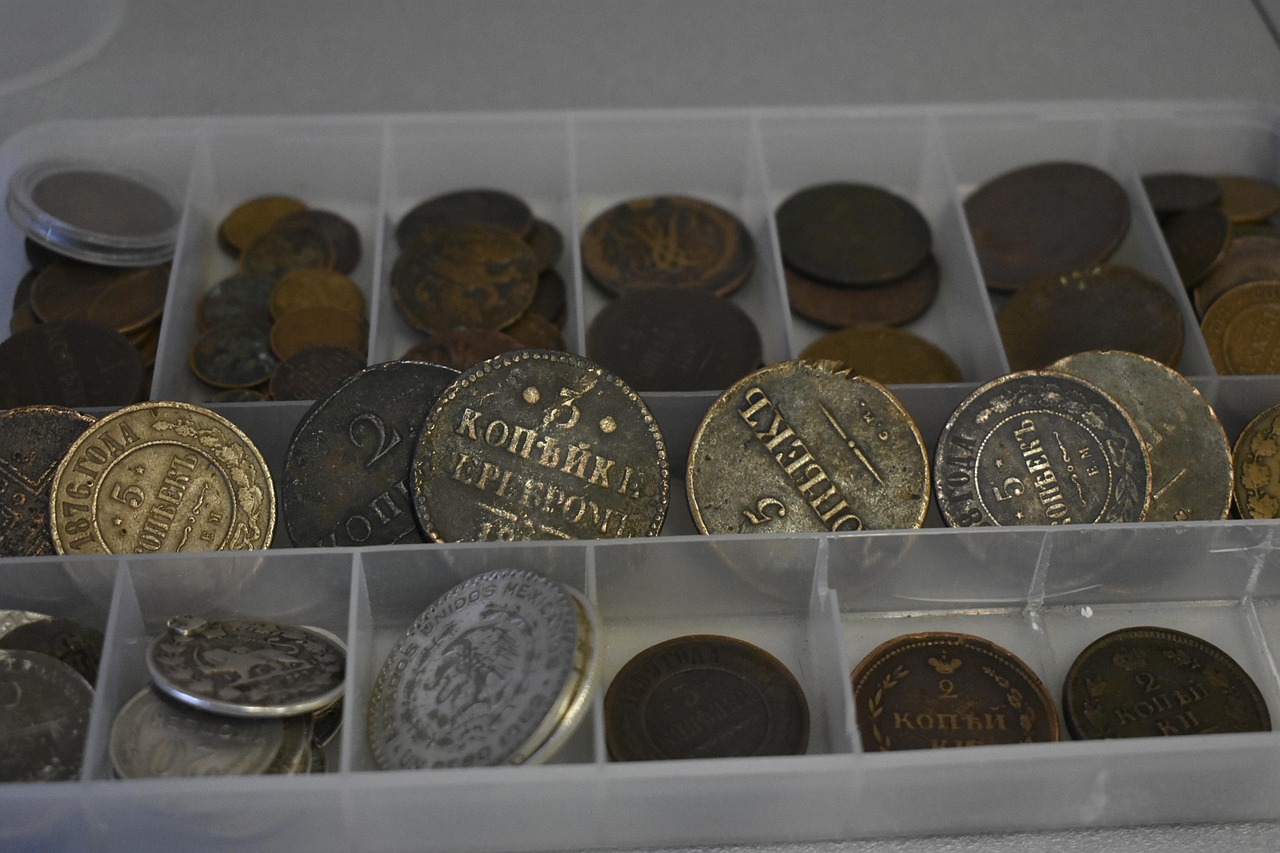
Common Mistakes That Cost Beginners Money
The most expensive mistake: bidding to the estimate. If you see $500-$700 and stop at $700 even though you’d pay $800, you let the auction house’s guess determine your ceiling. Your ceiling should come from your own research and your budget.
Another common error: forgetting the buyer’s premium. That fee is added to your bid total and can add up fast, especially if you’re bidding on multiple lots. Some auction platforms display the premium-inclusive price next to the bid. Some don’t. Know which you’re looking at.
Finally, don’t assume a coin that hammers below estimate is a bargain. If the room let it go cheap, there’s often a reason the photos didn’t capture.
Practical Advice for Your Next Auction
Before you bid on any coin auction listing, do three things: check comparable sold prices from at least three recent auctions, add the buyer’s premium to your maximum bid so you know your actual out-of-pocket cost, and decide your walk-away number before the lot opens. The estimate and reserve are reference points. Your research and your budget are the only numbers that actually matter.
Notes
[1] Auction houses including Heritage Auctions and Stack’s Bowers publish their buyer’s premium schedules on their respective websites. Rates vary depending on the hammer price tier and bidding platform (live, online, or phone).
[2] The term “bought in” refers to a lot that fails to meet its reserve and is returned to the consignor. This is standard industry terminology across major numismatic auction houses.
[3] Auction results databases such as CoinArchives, NumisBids, and Sixbid aggregate hammer prices across multiple auction houses. Check each platform’s display convention to confirm whether prices include the buyer’s premium.