

Disclosure: This article may contain affiliate links. If you buy through them, GrandCollector may earn a commission at no extra cost to you.
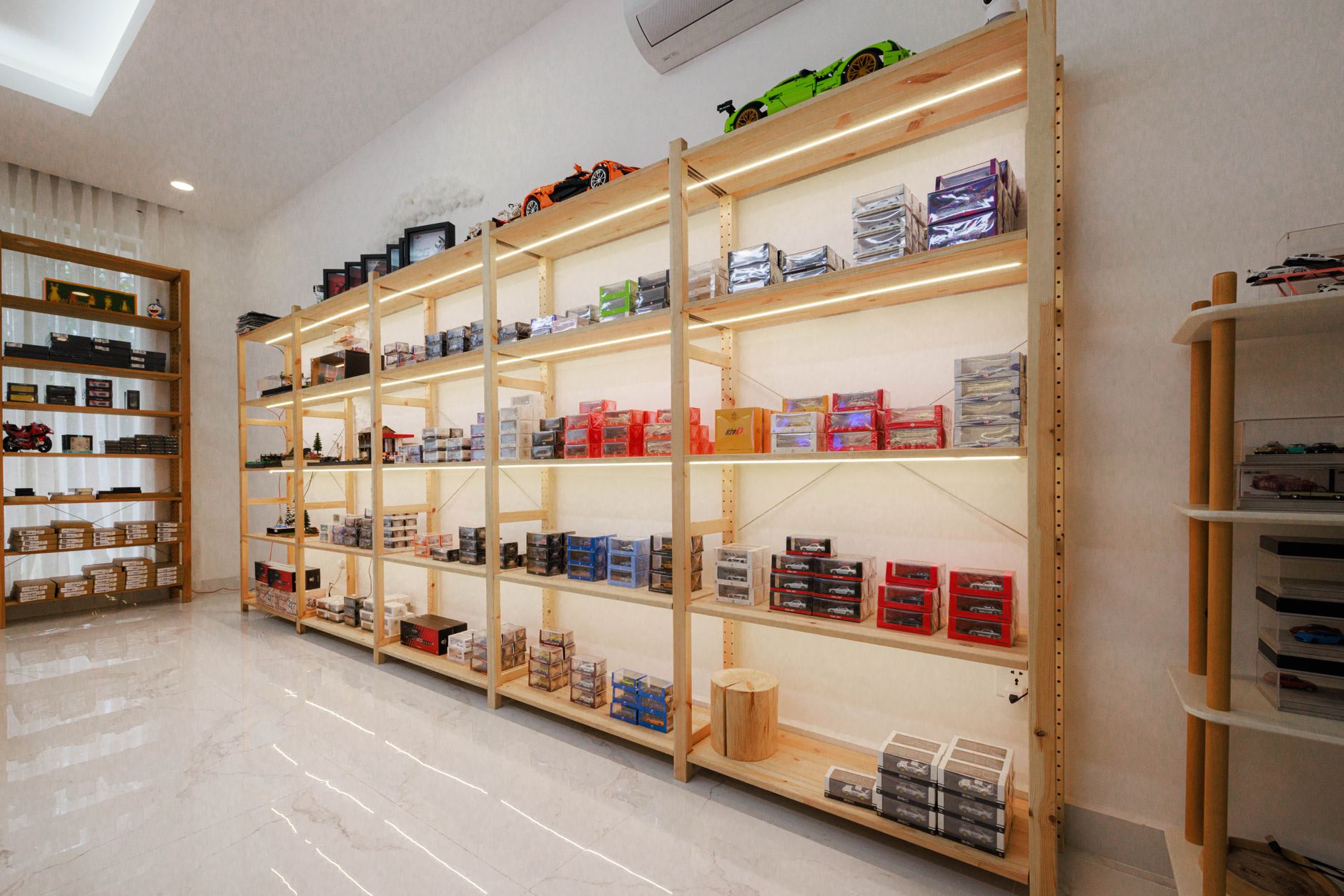
Walk into any Hot Wheels aisle and you will see the same casting in four different colours. Some collectors grab one of each. Others shrug. The real question is which differences actually change the value of the car in your hand.
Why colour variations exist in the first place
Most Hot Wheels colour variations are planned at the factory. Putting the same car in four colours keeps the pegs looking new to casual buyers and gives completists a reason to buy four copies instead of one. A smaller number are genuine production quirks: a shade produced for only a few weeks before the factory switched paint lots, or a colour that appeared in a multipack but never on a single card. These unintended variations tend to develop real long-term premiums, because Mattel never promised them to anyone.
Planned vs unplanned: the line that matters
The collecting world divides variations into two buckets. Planned variations are those Mattel documents in its own colour codes: each mainline casting gets a specific paint code, and when the same casting appears in a different code later in the year, that is an intentional second run. These are collected enthusiastically but rarely carry a significant premium since supply is ample and anyone paying attention can find them.
Unplanned variations happen when a factory uses a slightly different paint mix, when a shade drifts between production weeks, or when a tampo changes mid-run without a new assortment code. Because nobody knows exactly how many were made before the fix, scarcity is real and speculative demand builds around the uncertainty.
The practical rule: if you can walk into a store today and find it, it is a planned variation. If collectors argue about whether it even exists, it is probably unplanned.
How to tell if a colour difference is documented
Three signals separate a documented variation from wishful thinking. First, check whether the card backing shows a different colour for the same casting. Mattel sometimes photographs the wrong variant, but a card mismatch proves the factory planned two decos. Second, look for community consensus on a dedicated Hot Wheels variation forum; singleton claims with no independent confirmation are usually camera lighting differences, not real variants.
Third, compare the base codes. Every Hot Wheels car has a stamped base code (a letter followed by a number, like K32) that identifies the production week. If two cars in different colours share the same base code, that is a multi-colour run: interesting but usually planned. If they carry different base codes separated by several weeks, and the colour changed without a new assortment code, that is a stronger variation candidate.
Do not trust eBay listings that claim “super rare colour variation” without a base-code comparison.
Related: How to Identify Rare Die-Cast Variations and Error Cars — goes deeper into wheel variations, tampo shifts, base and body casting changes, and how to confirm whether you’ve found a genuine rarity or normal manufacturing noise.
Sellers who actually know variations post side-by-side photos with base codes visible.
The colour types that actually carry premiums
The colour differences that carry meaningful premiums follow repeatable patterns.
Spectraflame paint on a mainline body. Spectraflame is the translucent candy-colour paint used on Red Line Club and Super Treasure Hunt cars. On a basic mainline casting that normally uses opaque enamel, it is either a factory error or test piece. These are rare and collectors pay attention.
Shifted shades within one model year. A casting that starts the year in bright red and ends it in dark maroon, with no new assortment code, has a mid-year paint shift. The smaller the production window, the more collectors want it.
Multipack-exclusive colours. Mattel sometimes puts a colour into a 9-pack or 20-pack that never appears on a single card. Loose mint examples stay scarce even though multipacks are easy to find.
Tampo changes without a new code. When the printed graphics change and the assortment code does not, that is effectively a colour variation. Some of the most valuable Hot Wheels errors are tampo omissions, not paint differences.
What does NOT add value
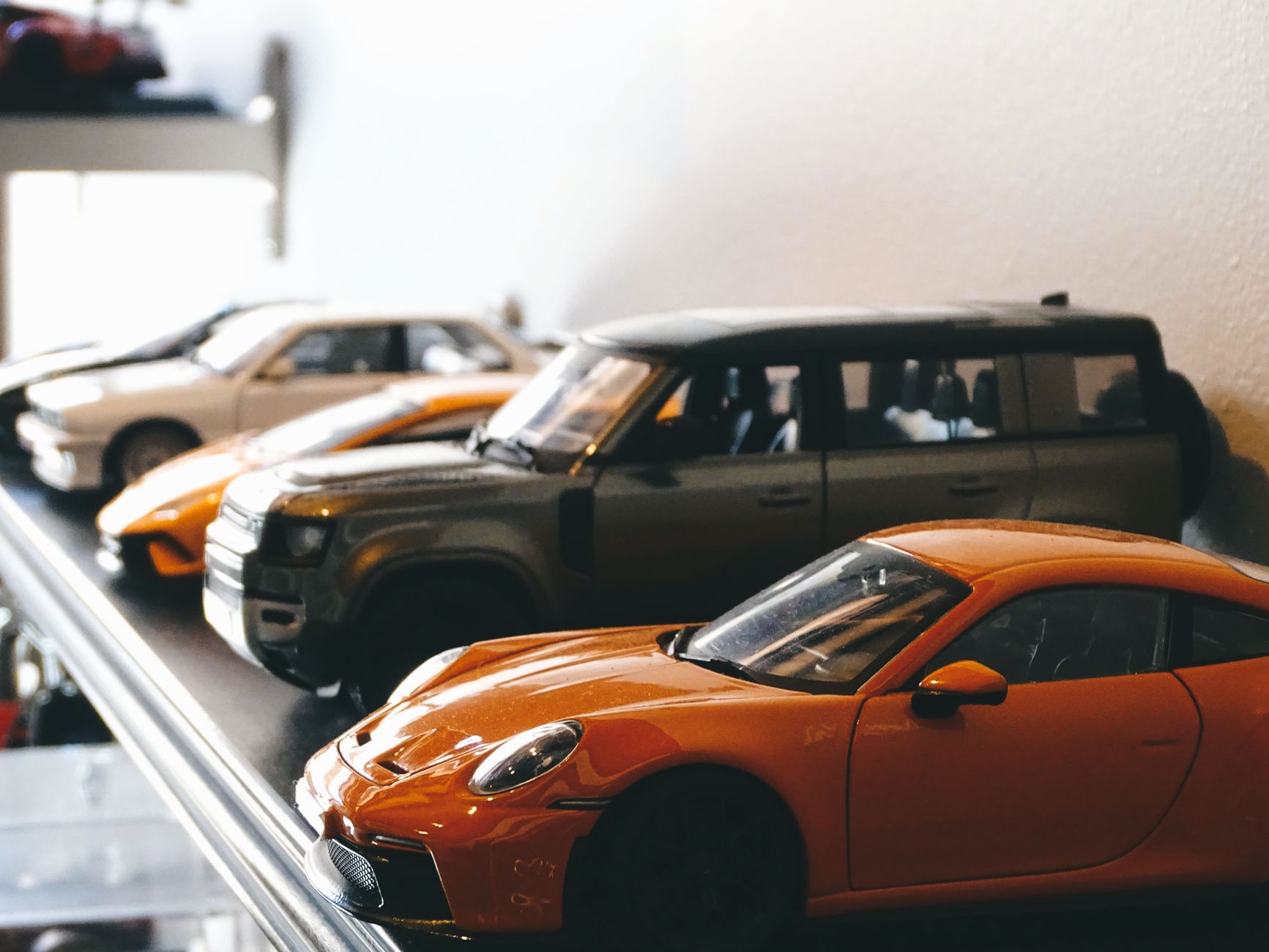
Most colour differences you will see on eBay with a “RARE VARIANT” label are not rare and not variants. A car that looks slightly darker because someone photographed it in dim light is not a variation, it is bad photography. Faded paint from sun exposure is damage, not rarity. A car in a different colour because it is from a different year’s release, clearly marked on the card, is a separate release: not a variation of the earlier one.
The most common trap is the “lighting variation”: two copies of the exact same paint code photographed under different light. One looks navy blue, the other looks royal blue. They are identical. Sellers who blur the card backs in their listings are often hiding that the assortment codes match.
Where to build a variation collection without overspending
You do not need to chase the rarest factory paint errors to build a satisfying variation collection. Start with castings you already like. If you collect the ’67 Camaro or the Bone Shaker, collecting every known colour for that one casting is a defined project with a finish line. The Hot Wheels Wiki maintains colour-tracking pages for most popular castings, and the community updates them as new colours appear at retail.
Focus on carded examples for documented variations and loose examples for unplanned ones. A carded planned variation proves its release; a loose unplanned variation costs less because nobody can prove it was not custom-painted, and the discount reflects that uncertainty.
Avoid paying a premium for current-year colour variations still shipping to stores. Mattel’s production runs are large and the secondary market for recent mainlines almost always settles below retail within a few months. Wait six months, check sold listings, and buy then.
Storing colour variations without mixing them up
If you are collecting dozens of near-identical castings in different colours, organisation becomes a real problem. A red, maroon, and orange ’69 Chevelle can look indistinguishable at a glance in a storage bin.
Use small clear display cases with labels on the back, not the bottom.
Related: Die-cast Car Storage and Display — Protecting Paint, Decals, and Packaging — covers display cases, acid-free storage bins, and climate control for keeping your variation collection organized and protected long-term.
Write the base code, colour name, and year on an acid-free sticker. If you keep carded variations, store them flat in acid-free comic book bins sorted by casting, then by colour. This saves you from the “which red is this” sorting session every variation collector eventually faces.
Common red flags when buying colour variations online
The variation market attracts sellers who know that ambiguity sells. Watch for listings that describe a colour with subjective terms (“aqua” versus “teal” versus “turquoise”) without a base-code photo. A variation defined only by colour name is not a variation.
Be wary of customs passed off as factory variations. A stripped and repainted Hot Wheels can look factory-fresh in photos. Check the rivets: a factory car has flat, unmarked rivets where the base attaches to the body. A custom will show drill marks, glue residue, or uneven rivet heads. If the seller does not show the base, ask for a photo before bidding.
Also watch for tampos chemically removed: a car listed as a “no-tampo variation” that is actually a regular car wiped with acetone. The paint will look slightly thinner or glossier in the stripped area under high-resolution photos.
Final practical advice
The Hot Wheels colour variation market rewards patience and punishes impulse. The variations worth owning are the ones the community has already documented with base codes, comparison photos, and independent confirmation from multiple collectors. Everything else is a gamble that you are paying a premium for a camera-angle illusion.
Collect the castings you enjoy, track the colours that are actually scarce, and ignore the “RARE VARIANT” listings that cannot show you a base code. The cars that matter to the market are the ones where supply is genuinely limited, not the ones where a seller wants you to think it is.
Notes
[1] Hot Wheels base code decoding: the letter indicates the production month (A=January through L=December) and the number is the day. A K32 code means November 32nd: numbers run beyond 31 for multi-day production runs.
[2] Mattel’s mainline colour codes are published in the annual collector catalog and maintained by the Hot Wheels Wiki community. A colour change without a code change signals an unplanned variation.
[3] The “lighting variation” trap is well-documented on collector forums. Side-by-side photos under consistent lighting are the minimum standard. Single-photo listings without base codes should be treated as unverified.
Recommended Tools for Hot Wheels Inspection
Disclosure: This section contains affiliate links. If you buy through them, GrandCollector may earn a commission at no extra cost to you.
Carson LumiLoupe LL-10 10x Magnifier
A pre-focused 10x loupe with built-in LED lighting — ideal for inspecting base codes, checking rivets for drill marks, and spotting repainted areas on diecast cars. The wide field of view makes it easy to compare two castings side-by-side under consistent magnification, exactly what you need when verifying whether a colour difference is real or a lighting trick.