

Before a local trade, look through the cards one at a time under bright, even light. Check both sides, then check the surface, corners, and edges. Hold each card by its edges with clean, dry hands. Read the visible name, language, set marking, and printed card number. Set damaged cards aside and note what you found.[1]
Key takeaways
- Start with the whole lot
- Use bright, even light
- Check the front, back, and condition areas
Start with the whole lot
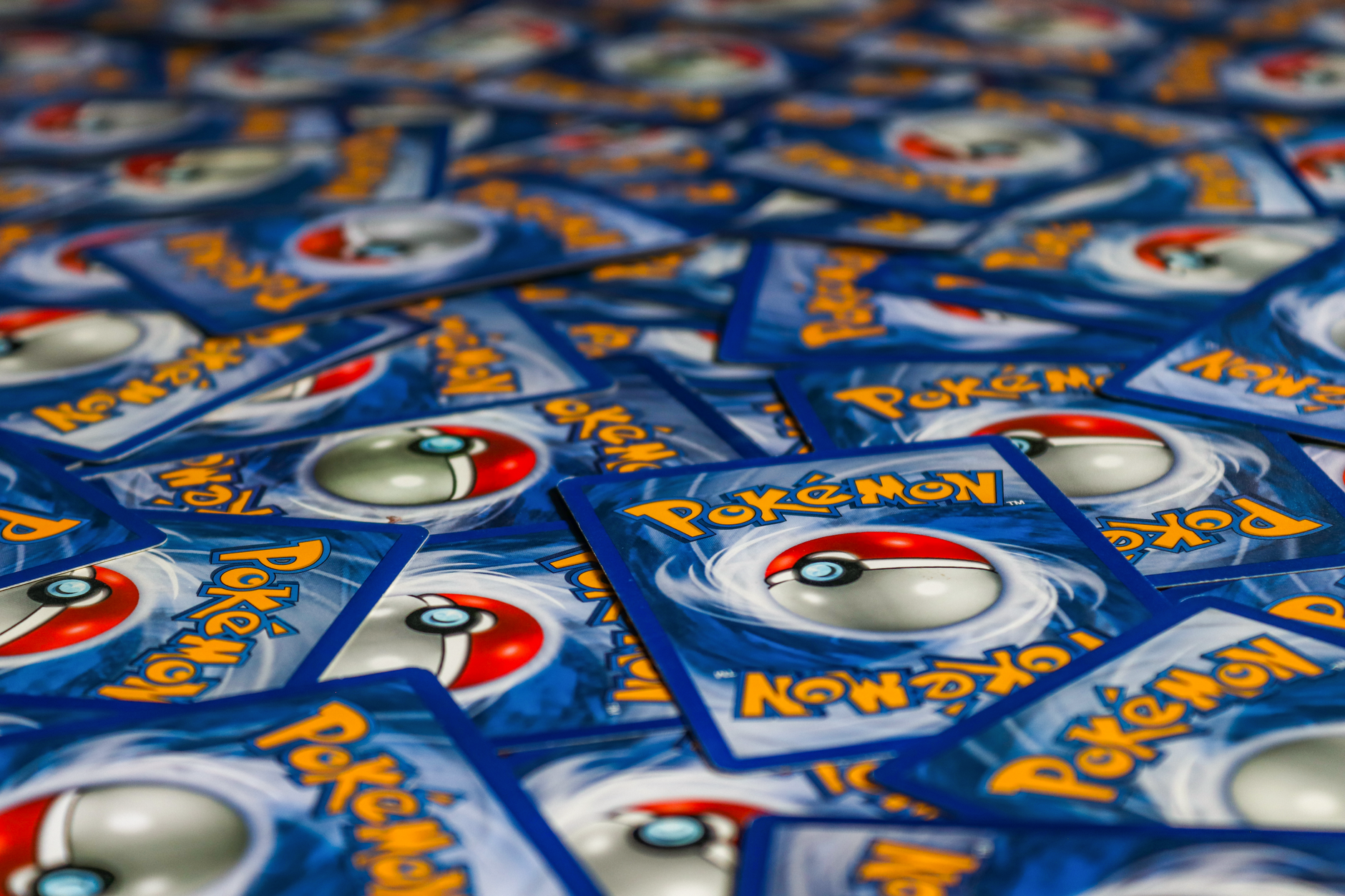
A lot still needs an individual check. Move through the cards one at a time so the front, back, surface, corners, and edges all get a look. That keeps the inspection tied to the cards you are actually discussing in the trade.
Use bright, even light
Keep the lighting bright and even as you work. Look at the front and back of each card under the same conditions, then follow the same order for the next card. A steady routine is easier to repeat than a quick glance through the stack.
Check the front, back, and condition areas
Use this short sequence for every card:
- Look at the front.
- Look at the back.
- Check the surface.
- Check the corners.
- Check the edges.
Keep those areas distinct in your notes. If something is visible on the surface, a corner, or an edge, record the area. Give the back its own look instead of letting the front stand in for the whole card.

Handle cards by the edges
Use clean, dry hands and hold cards by their edges during the inspection. Follow the same rule when moving a card into a separate group or placing it back with the lot.
Confirm visible identifiers
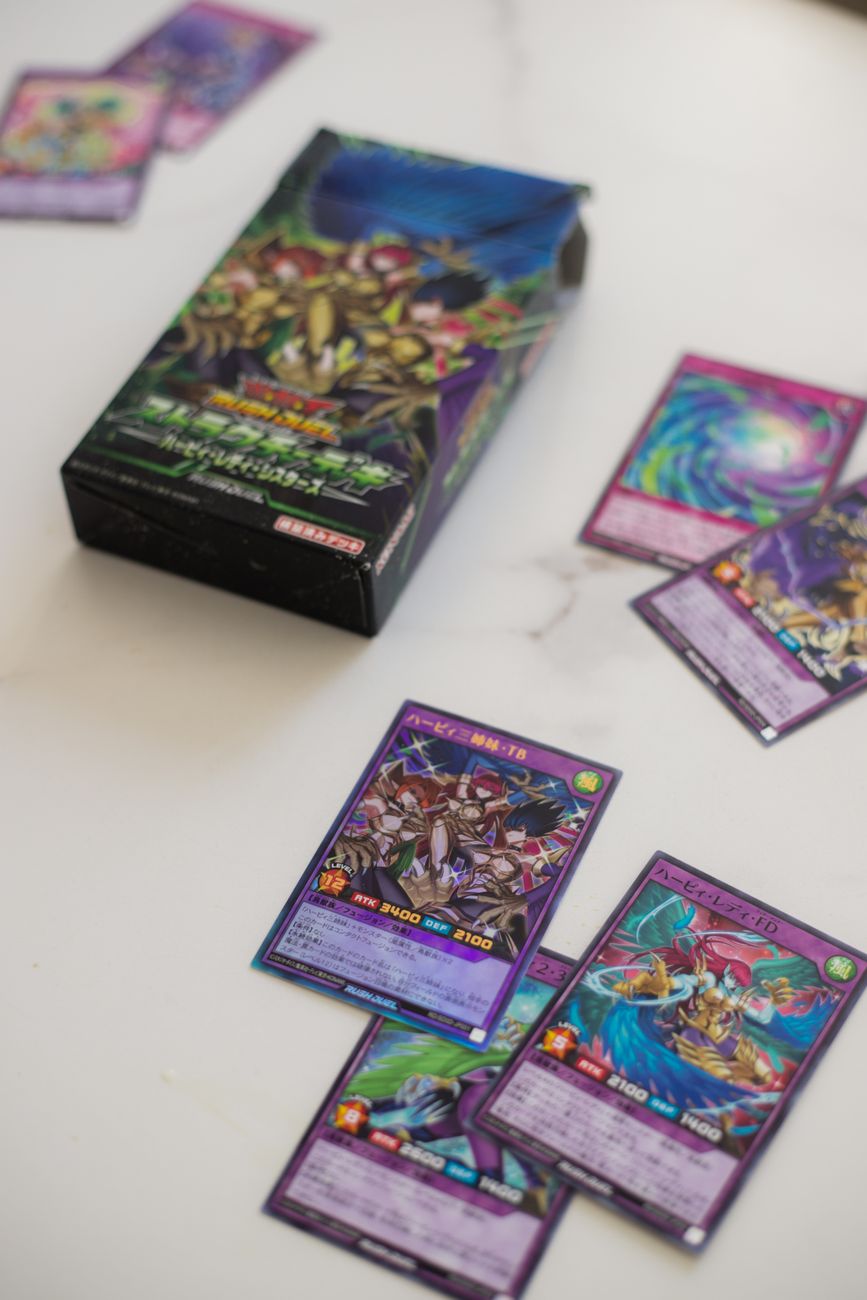
Read the details printed on the card itself. Confirm the name, language, set marking, and printed card number. Put those identifiers beside the condition note so you can identify the card again during the trade.
Visible identifiers give each note a clear reference. Record what you can read on the card rather than relying on a broad description of the lot. If you want a simple recordkeeping structure, use a trading card condition checklist as the companion record.
Separate and document damaged cards
Place damaged cards in a separate group. Document the damage and keep the note with the card or the small group it describes. The separation makes the condition difference clear when the lot is looked at again.
Keep the wording plain. Note the relevant area, such as the surface, a corner, an edge, or the back. The aim is a straightforward record of what you observed.
Keep one inspection order
For each card, use the same order: front, back, surface, corners, edges, then visible identifiers. Repeating the sequence helps keep the inspection complete and makes the notes easier to compare.
Final check before the trade
Before completing the local trade, make sure the lot was viewed under bright, even light from both sides. Confirm that the surface, corners, and edges were checked, the cards were handled by their edges with clean, dry hands, and the visible name, language, set marking, and printed card number were recorded. Keep damaged cards separate and documented.
Notes
[1] The inspection steps in this guide come from the approved research packet for this topic, which identifies general collecting knowledge as the source.