

Collectible coins can be fascinating pieces of history, but fascination is not the same thing as an investment case. A coin has no guaranteed rate of return, and a purchase price alone doesn’t tell you what you will recover when you sell. The sensible starting point is to decide whether you are buying for enjoyment, study, or possible long-term value—and to treat the last objective as uncertain.
Collecting and investing are different goals
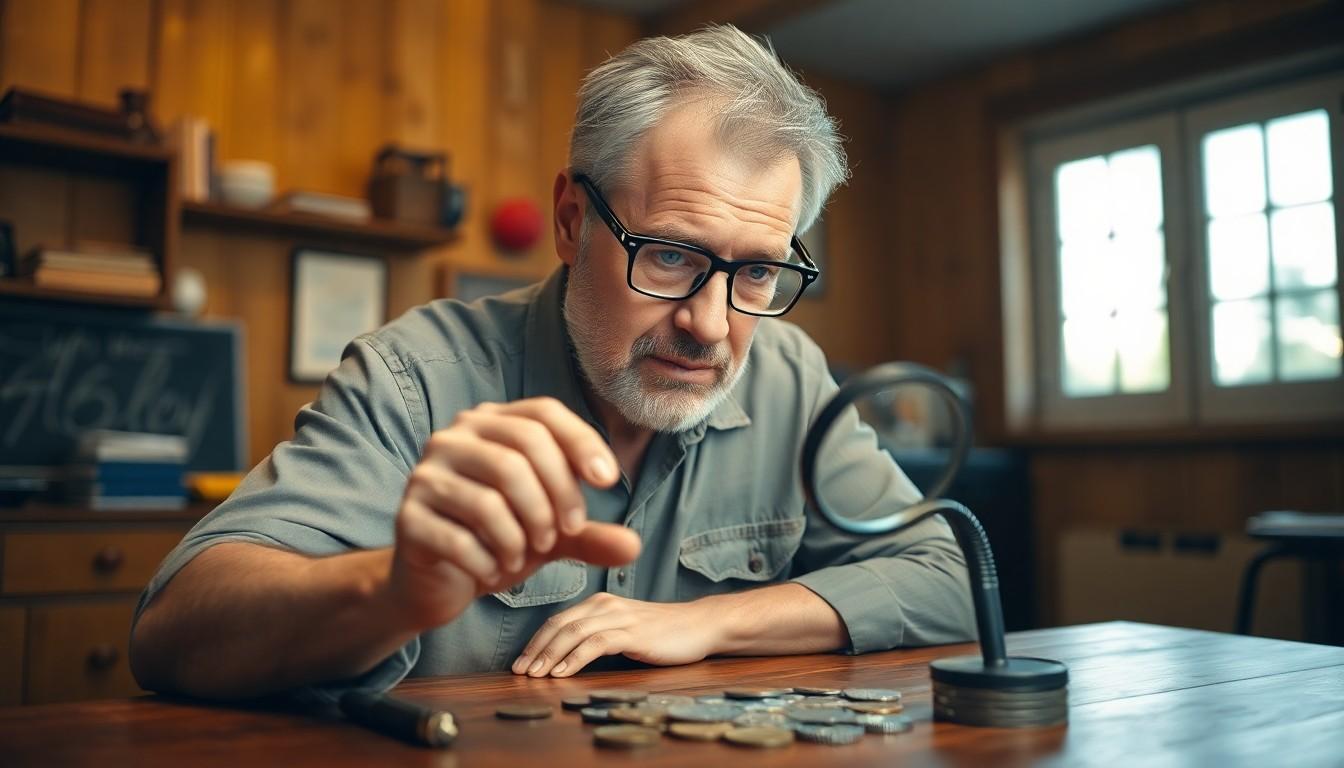
Collecting is usually about completing a set, owning a design or historical issue, and learning how rarity, condition, and demand fit together. Investing is about allocating money with an expected return and a defined level of risk. A collection can become more valuable, but that outcome is not automatic. The U.S. Mint’s beginner guidance treats coin collecting as a hobby with many possible approaches, including dealers, coin shows, clubs, and auctions—not a guaranteed wealth-building program.
That distinction matters because a coin’s appeal may not be shared by the next buyer. Demand can change with fashion, research, and the number of collectors pursuing a particular date, mint mark, variety, or grade. A historically important coin can still be difficult to sell at the amount paid.
Market risk and liquidity are real
Unlike a savings account, a collectible coin doesn’t promise interest or principal protection. Prices can fall, stay flat, or rise unevenly. Even a price guide or an auction result is evidence about a market, not a forecast for one specific coin. Grade, eye appeal, provenance, originality, certification, timing, and venue can all affect the result.
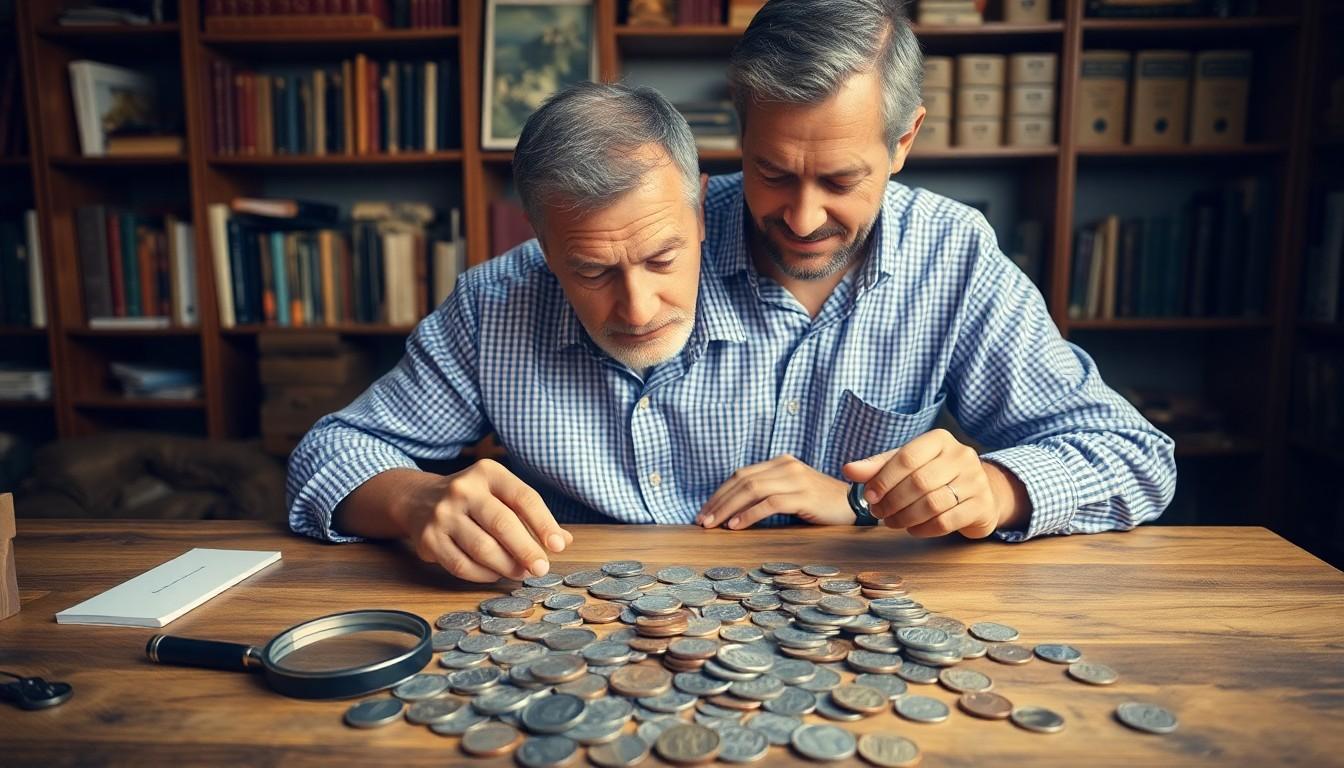
Liquidity means how easily an asset can be sold for a fair market price. Coins are not always liquid. A common certified issue may attract several buyers, while a specialized or expensive coin may require a dealer, auction house, or patient private sale. An urgent sale can mean accepting less, especially after shipping, auction commissions, payment processing, or other selling costs.
Dealer spreads and fees can erase gains
The retail price and the buyback price are usually different. A dealer has operating costs, inventory risk, expertise, and a need to make a margin. Ask for both numbers before buying: the complete price to acquire the coin and the dealer’s current written policy for buying it back. A quote that describes a coin as “discounted” is not enough.
Also ask about grading, shipping, insurance, sales tax, storage, appraisal, auction, consignment, and payment fees. The Commodity Futures Trading Commission warns that markups, spreads, and ongoing costs can make it difficult to profit in precious-metals transactions. The same basic lesson applies to collectible coins: calculate the break-even price after every cost, rather than comparing a hoped-for future sale with today’s sticker price.
Authentication and grading come first
A raw coin may be genuine, altered, cleaned, damaged, or misidentified. A certificate or attractive holder is not, by itself, proof that the coin is worth the asking price. For material purchases, learn the series or use an experienced, independent numismatist. Compare the coin’s weight, dimensions, surfaces, edge, and design details with trusted references, and be cautious when photographs hide the edge or show only flattering angles.

Third-party grading services authenticate eligible coins and assign a condition grade. PCGS explains that grading considers wear, preservation, strike, and eye appeal; NGC describes its internationally recognized 1-to-70 scale and tamper-evident holders. Certification can make a coin easier to compare and resell, but it does not guarantee a profit. Check the certification number in the grading service’s own database, confirm that the description matches the coin, and remember that counterfeit holders and altered coins exist.
Research the price, not the sales pitch
Before paying, identify the exact issue: date, mint mark, variety, metal, denomination, grade, and whether it has problems such as cleaning or repair. Then compare several relevant records. NGC and PCGS provide price and research tools, while PCGS also publishes auction prices realized. Use sold results for comparable coins—not unsold listings, an unusually high outlier, or a dealer’s retail asking price alone.
- Compare the same certification service and grade where possible.
- Separate problem-free coins from cleaned, damaged, or details-graded examples.
- Check how recently comparable coins sold and in what venue.
- Write down the all-in purchase cost and a realistic net-sale estimate.
Guides are starting points, not appraisals or promises.
Don’t let one coin dominate your finances
Concentration risk is the danger of putting too much money in one asset, series, dealer, or theme. A buyer who commits heavily to one modern issue, one grade, or one promotional story can be exposed to a narrow change in demand. Collectible coins also shouldn’t replace an emergency fund or money needed for near-term expenses. This article is general education, not personal investment, tax, or insurance advice; a qualified professional is the right source for those decisions.
Storage and insurance are part of the cost
Good storage protects both the coin and its potential marketability. The U.S. Mint recommends appropriate holders, a cool and dry environment, and avoiding PVC and acidic materials. Hold coins by their edges, and don’t polish or scrub them: cleaning can damage surfaces and reduce desirability. Keep purchase records, certificates, photographs, and invoices in a separate secure location.
Ask an insurer whether a standard homeowners or renters policy covers the collection, and whether it covers theft, loss, shipping, and agreed value. High-value holdings may need a scheduled-item endorsement, a specialist policy, or a bank safe-deposit arrangement. Verify the limits and exclusions before assuming the collection is protected.
Fraud red flags to take seriously
The FTC warns that coin and precious-metals scams often use urgency, extraordinary profit claims, fake credentials, and pressure to move money quickly. Walk away when a seller says an opportunity is “risk-free,” guarantees a return, insists that today is the only chance, discourages independent research, or refuses to disclose the total markup and buyback terms.
- Be wary of unsolicited calls, social-media messages, and high-pressure seminars.
- Don’t rely on testimonials, celebrity endorsements, or a “limited” label as proof of rarity.
- Verify the business, its address, refund policy, and complaint history independently.
- Never send money to a stranger who claims a government emergency requires buying or delivering precious metals.
If a transaction feels rushed or confusing, pause and verify the coin and the numbers.
Why no return is guaranteed
A collectible coin’s future result depends on uncertain demand, condition, authenticity, market access, and costs. Even expert grading reduces some uncertainty; it cannot control the market or promise a buyer. The most defensible approach is to buy only what you can afford to hold, price the enjoyment separately from the financial hope, and assume that you may lose money or need to wait longer than expected to sell.
Notes
- U.S. Mint, “Get Started Collecting Coins”: https://www.usmint.gov/learn/collecting-basics/get-started-collecting-coins
- U.S. Mint, “Caring for Your Coin Collection”: https://www.usmint.gov/learn/collecting-basics/caring-for-your-coin-collection
- Federal Trade Commission, “Investment Scams”: https://consumer.ftc.gov/articles/investment-scams
- Commodity Futures Trading Commission, “The Truth Behind Gold and Silver IRA Scams”: https://www.cftc.gov/sites/default/files/LearnandProtect/MetalsIRALies_0.pdf
- Professional Coin Grading Service, “PCGS Services”: https://www.pcgs.com/services
- Numismatic Guaranty Company, “Coin Buying Guide”: https://www.ngccoin.com/about/coin-buying-guide
I have my own coins want to invest them