
A Funko Pop barcode or serial number can help identify a product, but it cannot prove that the figure in front of you is genuine. Numbers and barcodes are designed for inventory, distribution, and product identification. They can be copied from authentic packaging, moved onto another box, or paired with a counterfeit figure. Treat a “serial number checker” as one research step—not an authenticity certificate.
Why a number alone is not enough
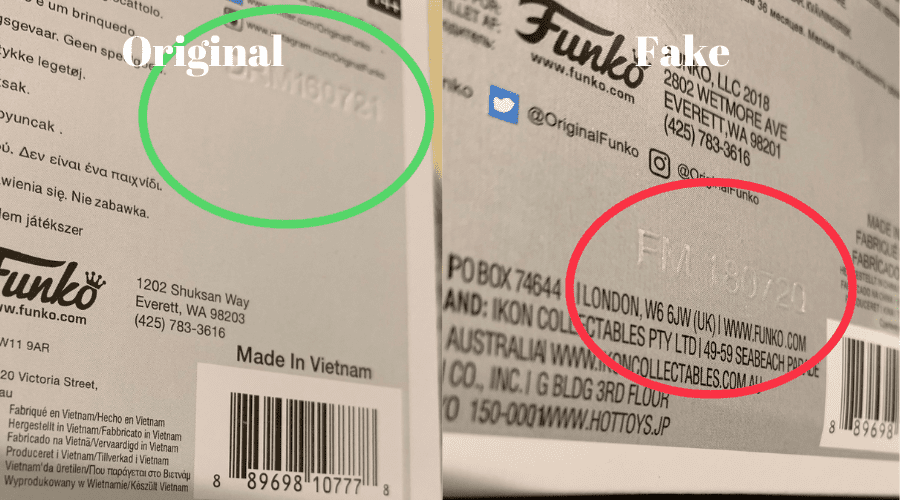
A barcode usually points to a product line, character, box variant, or retail item. It does not normally create a permanent, item-by-item identity that follows the vinyl figure. The same product barcode may appear on many genuine boxes. A printed code can also be photographed, reprinted, or attached to packaging that does not belong with the figure.
Some newer Funko packaging has used authentication stickers developed with Octane5. Where that system applies, a QR code and item code can provide an additional verification result. That still does not make a scan conclusive by itself: check whether the sticker belongs to that release, inspect the physical item, and be cautious of altered or duplicated codes. Older Pops and products without that system should not be judged by the same test.
Start with the packaging
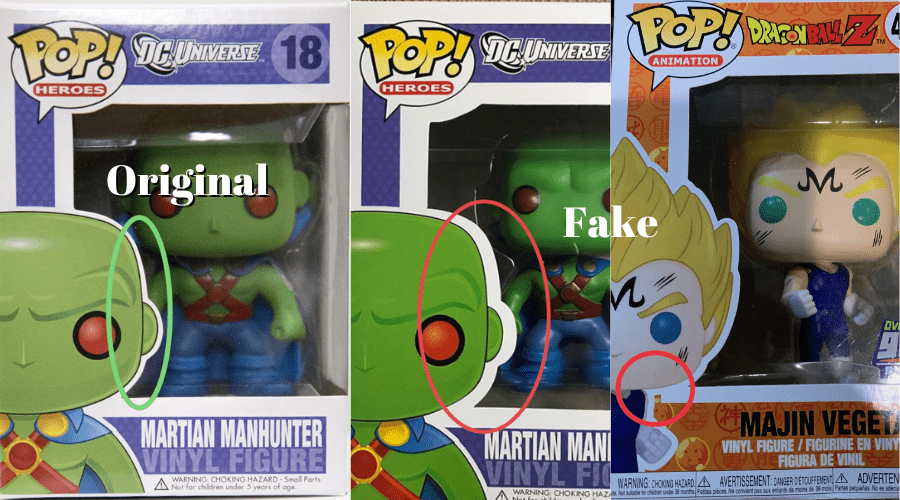
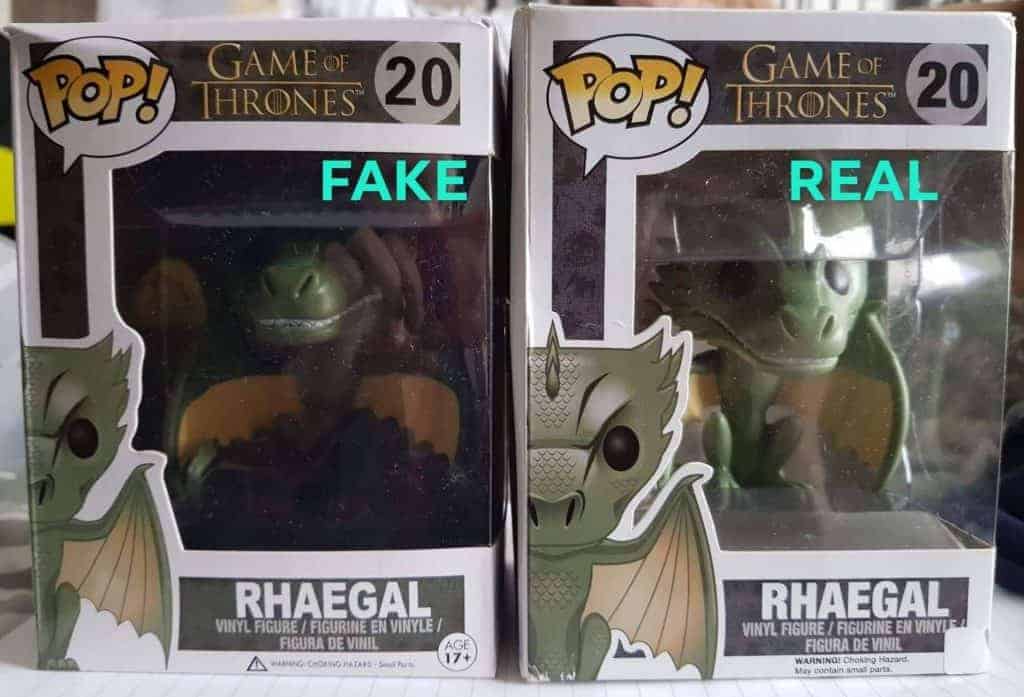
Ask the seller for sharp, well-lit photographs of every side of the box, the bottom, and the figure if it has been opened. Look for printing that is clean and correctly aligned, consistent colours, undistorted logos, sensible copyright and licensing text, and a box style that matches the release. Examine the window, seams, glue, folds, tabs, and inserts. Re-glued corners, cloudy replacement plastic, mismatched wear, or a box that looks new while the figure is heavily handled deserve questions.
Packaging differences are not automatic proof of a fake. Regional releases, convention exclusives, retailer stickers, factory changes, and production runs can create legitimate variations. The useful test is whether the complete combination of box design, markings, sticker, and product matches a documented release.
Inspect the figure and product details
Compare the figure with reliable photographs of the same release, not just a similar character. Check the sculpt, paint boundaries, facial details, colours, proportions, accessories, stand, and any visible mould or copyright markings. Look for paint that is unusually rough, lettering with incorrect shapes, missing details, strong chemical odour, or plastic that differs noticeably from reference examples. None of these observations proves authenticity alone, but several inconsistencies together are a reason to stop and investigate.
Make sure the box and figure belong together. A genuine figure placed in the wrong box is still a problem if the listing claims an original, complete release. Check the character name, box number where present, series branding, exclusive sticker, edition format, and accessories against the exact version being offered.
Use provenance, not just a screenshot
Provenance means the item’s purchase and ownership history. Ask where the seller obtained it, when it was bought, and whether an original receipt, convention purchase record, retailer order, or collection history is available. A receipt does not authenticate the item if the figure could later have been swapped, but a coherent history is stronger than a cropped barcode image or a seller’s promise.
Consider the seller’s behaviour as evidence too. A detailed listing with original photographs, an honest condition report, and a clear return policy is safer than stock images, pressure to pay outside the platform, or a claim that a code guarantees a rare or valuable item. Avoid treating scarcity, a high asking price, or words such as “100% authentic” as proof.
Check official product records
Use Funko’s official product pages and product catalogue to confirm that the character, licence, box design, and variant exist. Search the exact name and compare official images with the seller’s photos. Official records are useful for identifying releases and spotting impossible combinations, but a catalogue entry does not verify the particular second-hand item. It confirms that a product was made, not that every example carrying its name is genuine.
For newer products with an official authentication sticker, follow the instructions associated with that sticker and record the result. A failed, duplicated, or mismatched code is a serious warning. A successful response should still be checked against the physical box and figure.
Compare before buying
Gather several reference images from established collector databases, reputable hobby communities, completed listings, and specialist retailers. Compare the same release and the same box variant. Pay attention to small details that generic “real versus fake” lists miss. If possible, ask an experienced collector to review photographs of the front, back, bottom, sticker, box seams, figure, and accessories together.
Do not rely on a single comparison photograph or an online price guide. A legitimate variation can look different from another production run, while a counterfeit can copy one popular photograph convincingly.
Use platform protection
Buy through a platform with a documented return process and buyer protection. Keep payment, messages, listing photographs, and the seller’s description on-platform. Read the exact coverage and deadlines before purchasing. For example, eBay’s Money Back Guarantee generally covers an item that is not as described, but eligibility, exclusions, and final-sale rules apply. An authenticity programme, where available for the category and transaction, may add inspection; it is not a reason to ignore the listing details.
When the package arrives, photograph the parcel and contents before changing anything. Compare the item with the listing, preserve the packaging, and report a mismatch promptly through the platform. Do not return a disputed item privately or outside the platform’s instructions.
When to seek specialist help
For an expensive, scarce, or disputed Pop, consult a specialist dealer, established convention seller, or collector with documented experience in that line. Ask what evidence supports the opinion and whether the person has a financial interest in the sale. A specialist can identify known box and sculpt variations, but no casual online opinion should be presented as absolute certainty. If the stakes are high, get more than one independent view and consider whether the purchase is worth the uncertainty.
Notes
Sources: Funko, “Funko x Octane5: New Stickers to Authenticate Your Collectibles,” funko.com. Funko, official product catalogue and Pop! product pages, funko.com. eBay, “Money Back Guarantee policy” and “Buying with Authenticity Guarantee,” ebay.com/help. Accessed 19 August 2026.