

An out-of-box (OOB) Funko Pop is a figure that is no longer stored in its original retail packaging. That description says what happened to the box, but it does not tell you whether the figure is complete, correctly identified, or desirable to another collector. If you are buying, selling, or cataloguing a loose figure, evaluate the item itself and document what is known instead of relying on a generic assumption about value.
Start with exact identification
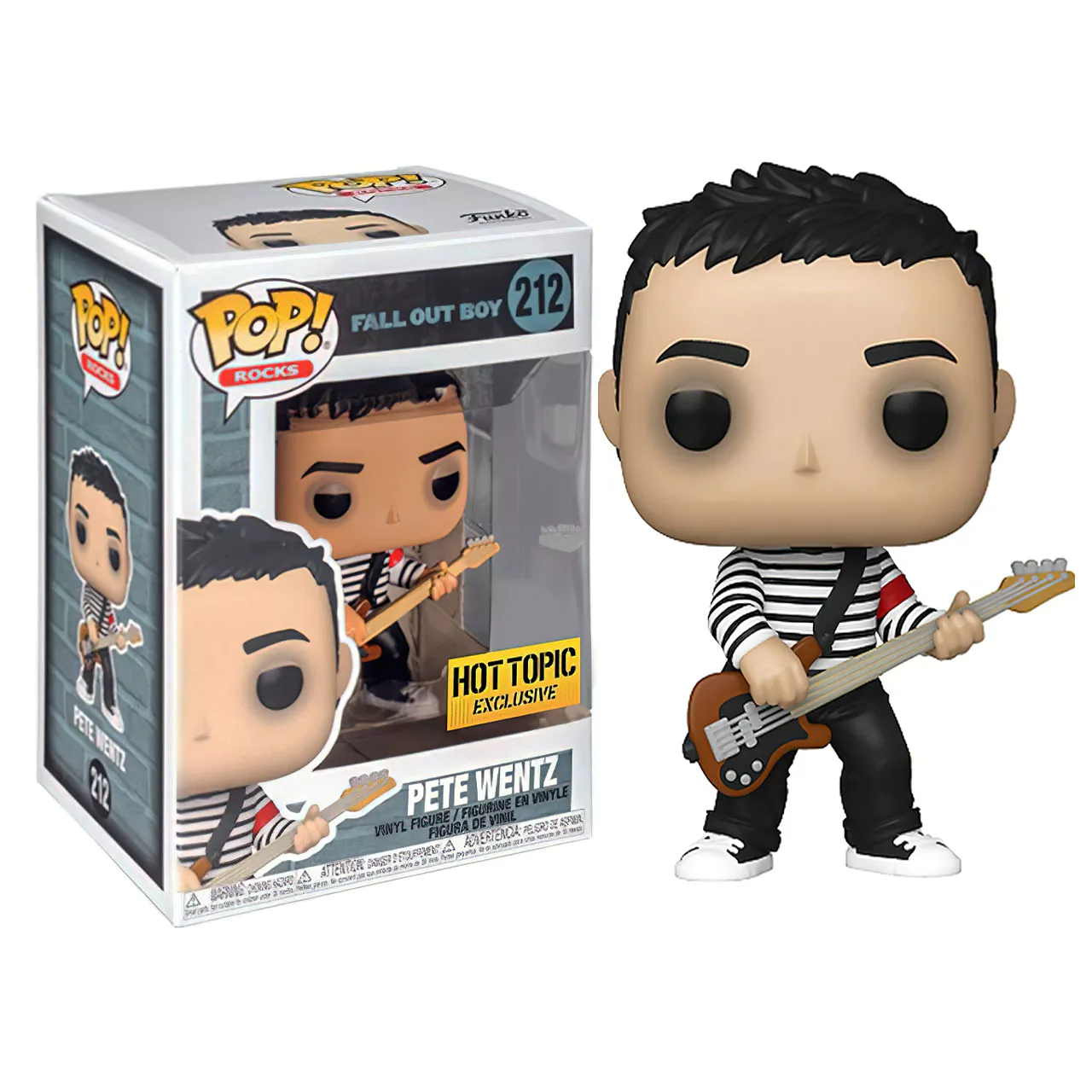
Funko has released many characters in multiple poses, costumes, finishes, sizes, convention editions, and production runs. Identify the figure before comparing it with listings. Record the character name, franchise, Pop number if visible or known, sticker information, retailer or event designation, and any distinctive details such as a translucent finish, flocking, metallic paint, glow effect, alternate costume, or exclusive accessory.
Compare the figure with reliable reference images from Funko’s official product information, established collector catalogues, and several completed marketplace listings. Do not identify a figure solely from its face or the character it appears to represent. Similar releases can differ in paint applications, mould details, base design, or included parts. Photograph the front, back, underside, and any markings when asking for help.
Check completeness before condition
A loose figure should be assessed against the contents expected for that exact release. Check whether it has its original stand, weapon, instrument, hat, companion, interchangeable part, or other accessory. Look for peg holes, sockets, magnets, clips, or attachment points that suggest a missing component. Some figures are designed to stand without a base, while others may lean or fall when a stand is absent.
- Separate confirmed original parts from substitutes, later replacements, and accessories from another release.
- Note whether an accessory is present but detached, glued in place, loose in the packaging, or visibly modified.
- Do not call a figure complete just because it looks correct from the front; inspect the back and underside as well.
Completeness is release-specific. A missing part may matter more to one design than another, and a replacement can make a figure displayable without making it identical to an untouched example.
Inspect paint and physical condition
Use bright, indirect light and examine the figure from multiple angles. Look for rubs, scratches, paint transfer, overspray, uneven lines, stains, yellowing, fading, cracks, warping, loose joints, and stress around thin parts. Check the head, hands, feet, accessories, and areas that touch a shelf. A small factory variation is not automatically damage, but it should be described accurately rather than presented as mint condition.
Watch for repairs or alterations. Glue residue, repainting, drilled holes, custom colours, replacement parts, and strong cleaning products can affect how another collector evaluates the piece. If you cannot determine whether a mark is factory-applied or later damage, record it as uncertain and provide close-up photographs.
Understand what the missing box changes
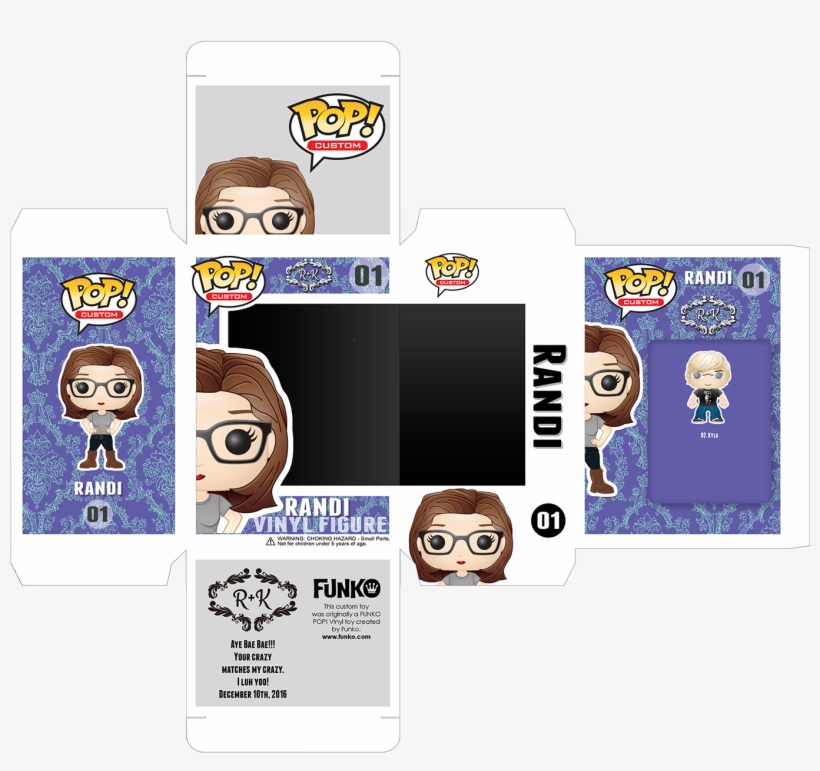
The original box can provide identification, artwork, release information, stickers, and protection during transport. Its absence also means the figure cannot be evaluated as a complete boxed example. That does not make an OOB figure automatically worthless or unusable: many collectors choose loose figures for display, photography, or space reasons. It does mean that boxed and loose examples are different items and should not be compared as if they were interchangeable.
If the original box is available separately, verify that it belongs to the same release. A replacement box may help with storage or presentation, but it should be described as a replacement. Do not present a loose figure with a mismatched or reproduction box as factory-complete.
Use completed sales, not asking prices
When researching a market, search for the exact release in the same loose, complete, and condition category. Filter marketplace results for completed or sold transactions where possible. Asking prices show what sellers hope to receive; they do not establish what buyers have actually paid. Remove obvious outliers, bundled lots, listings with unclear identification, and sales where the condition or authenticity cannot be judged.
Compare several relevant sales and note the date, platform, shipping terms, completeness, paint condition, and any exclusive or special-edition details. Results can vary by country, fees, season, demand, and the quality of the listing. A small number of sales may not support a confident conclusion. Report the evidence and its limits rather than converting it into a universal value rule.
Display a loose figure safely
Choose a stable, level surface away from direct sunlight, radiators, vents, fireplaces, damp areas, and places where the figure can be knocked over. UV exposure and heat can contribute to fading or material changes. Use a clear riser, shelf edge, or compatible stand when needed, but avoid adhesives that leave residue or pull at paint. Keep figures with delicate accessories away from crowded displays and pets or small children.
Store it with an honest record
For long-term storage, wrap the figure in clean, non-abrasive material and use an appropriately sized container that does not put pressure on thin parts. Avoid damp cardboard, unlabelled bags, and materials that can transfer colour or trap moisture. Store accessories with the figure, but separate sharp or heavy parts when they could rub against painted surfaces.
Keep a simple record with the exact identification, completeness notes, condition photographs, acquisition details, and whether the box is original, absent, or a replacement. Update the record if a missing accessory is found or a repair is made.
Leave room for uncertainty
There is no single OOB condition grade that every marketplace or collector uses consistently. Identification may remain provisional, a variant may be difficult to confirm, and sales data may be thin. Use clear language such as “loose,” “accessory unverified,” “paint wear shown,” or “exact variant uncertain.” Good photographs and a transparent description are more useful than confident-sounding claims about rarity or future demand.
Notes
Source notes: Funko official product and release information; marketplace completed-sale records for comparable listings; collector catalogue and reference images checked against the exact release. Availability, identification, and market activity can change, so verify current evidence before buying or selling.